Dost Pakistan Journeys Tours and safaris in the North & South Pakistsn
Related Articles



Pakistan’s Budget 2024-25: Navigating Fiscal Tensions Amidst IMF Talks
Pakistan’s federal budget for the upcoming fiscal year (FY2026-27) is expected to be unveiled on June 12, bringing a degree of clarity after weeks of uncertainty. However, the path to this announcement has been fraught with significant fiscal disagreements between the federal government and provincial administrations, underscoring deep structural challenges in Pakistan’s economic and political landscape.
What Happened: The Budget Date and Lingering Doubts
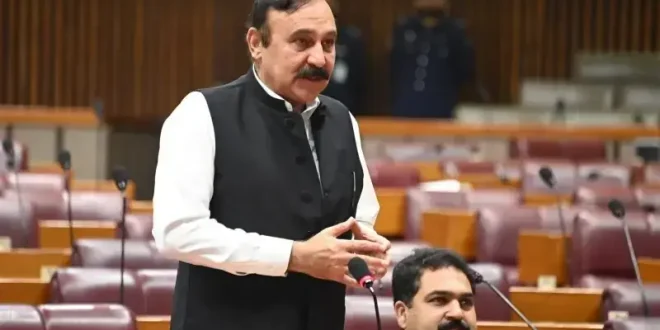
Parliamentary Affairs Minister Tariq Fazal Chaudhry recently announced via X that the highly anticipated federal budget for FY2026-27 is provisionally slated for presentation in parliament on Friday, June 12. This follows the dispatch of summaries to the presidency for convening budget sessions in both the National Assembly and the Senate on June 10. This timeline emerges despite persistent hurdles that had earlier cast doubt on the budget’s timely delivery.
Background: A Tug-of-War Over National Resources
The journey to finalizing the budget has been anything but smooth. Uncertainty previously clouded the presentation date as the federal government grappled with its coalition partners and provincial administrations to forge a consensus. At the heart of the contention lies the Centre’s demand for over Rs1 trillion for its “strategic needs.”
This substantial demand directly impacts the provincial shares from the federal divisible pool, governed by the National Finance Commission (NFC) Award – a constitutional mechanism for revenue distribution. Provinces, particularly articulated by Khyber Pakhtunkhwa’s finance adviser Muzzammil Aslam, have voiced strong objections. They argue that freezing their financial shares at current levels and demanding the return of any amount exceeding this would push their budgets into severe deficits, crippling their ability to deliver essential services and manage governance.
The gravity of these disagreements was highlighted by the National Economic Council (NEC) meeting’s repeated postponements – a crucial forum for approving development plans and finalising provincial allocations. While the PML-N-led federal government and its key ally, the Pakistan Peoples Party (PPP), managed to reach a “broad framework” consensus on the budget and the Public Sector Development Programme (PSDP) after multiple rounds of high-level talks, the Centre-province fiscal standoff remains unresolved. The Centre’s suggestion for provinces to “freeze salaries and limit development schemes” further illustrates the acute financial pressures facing the nation.
Why It Matters: More Than Just Numbers
The federal budget is far more than a statement of government finances; it is a critical instrument that dictates Pakistan’s economic direction, fiscal policy, and social priorities. Its timely and credible presentation is crucial for several reasons:
- Economic Stability and Confidence: Delays and unresolved fiscal disputes signal instability to both domestic and international investors, dampening market confidence and hindering investment necessary for economic growth.
- IMF Program: Pakistan is actively engaged in negotiations with the International Monetary Fund (IMF) for a new, larger bailout package. A robust, fiscally responsible, and consensus-driven budget is often a key condition and a demonstration of commitment to economic reforms required to unlock vital international financial assistance.
- Federal-Provincial Relations: The NFC Award is a cornerstone of Pakistan’s fiscal federalism. Any perceived attempt by the Centre to unilaterally alter or diminish provincial shares can ignite political friction, undermine provincial autonomy, and potentially impact the harmonious functioning of the federation.
- Public Service Delivery: Provincial budgets fund essential services such as healthcare, education, and local infrastructure projects. Restricting their financial allocations could severely impair their capacity to serve citizens, leading to public dissatisfaction and social unrest.
- Government Cohesion: While the federal coalition has found common ground, persistent disagreements with provinces, especially those governed by opposition parties, test the resilience of the political system and the government’s ability to build national consensus.
Impact on Pakistan: Immediate and Long-Term Repercussions
The ongoing fiscal tension and the manner in which the budget is finalized will have profound implications for Pakistan:
- Fiscal Austerity: The Centre’s demand for significant funds and its suggestion for provinces to cut spending indicates a period of severe fiscal austerity. This could lead to slower development spending, job cuts, or reduced social welfare programs across the country.
- Market Sentiment: While the announcement of a budget date provides some relief, unresolved Centre-province issues could keep market sentiment fragile, affecting currency stability and foreign exchange reserves.
- Political Landscape: The budget debate could further polarize the political landscape, particularly if provinces feel their legitimate financial rights are being encroached upon. This could lead to increased provincial autonomy demands or political instability.
- Development Trajectory: Freezing development funds at the provincial level could decelerate progress on critical infrastructure and human development projects, impeding long-term economic growth and poverty reduction efforts.
- Debt Management: The Centre’s fiscal constraints are largely driven by high debt servicing costs and defense expenditures. The budget will reveal how the government plans to manage its enormous debt burden while stimulating economic activity.
Analysis: A High-Stakes Balancing Act
The announcement of June 12 as the likely budget day, despite the preceding deadlock, indicates the federal government’s determination to move forward. This could be interpreted as a strategic push to set the national fiscal agenda, possibly banking on continued negotiations to resolve provincial grievances or asserting the Centre’s prerogative in a dire economic situation.
The consensus between the PML-N and PPP on the “broad framework” is a crucial step for the stability of the coalition government. It suggests internal alignment on key economic parameters, which is essential for presenting a united front. However, this internal harmony doesn’t negate the external challenge posed by the provinces, highlighting the inherent complexities of fiscal federalism in a diverse nation like Pakistan.
The core of the dispute — the Centre’s demand for Rs1 trillion and the resulting squeeze on provincial shares under the NFC Award — reflects Pakistan’s deeply entrenched fiscal challenges. The nation is battling a persistent revenue shortfall, a massive debt burden, and high inflation, making every rupee count. The government’s call for provinces to “freeze salaries and limit development schemes” starkly illustrates the depth of the current financial crunch and the difficult choices policymakers are compelled to make.
Ultimately, the upcoming budget will be a litmus test of the current government’s ability to navigate a treacherous economic landscape while maintaining political cohesion across the federation. It must not only present a credible path to fiscal consolidation to satisfy the IMF and international creditors but also address the legitimate concerns of provinces to ensure equitable development and political harmony. The next few weeks will reveal whether Pakistan’s federal government can successfully walk this tightrope.