Dost Pakistan Journeys Tours and safaris in the North & South Pakistsn
Related Articles

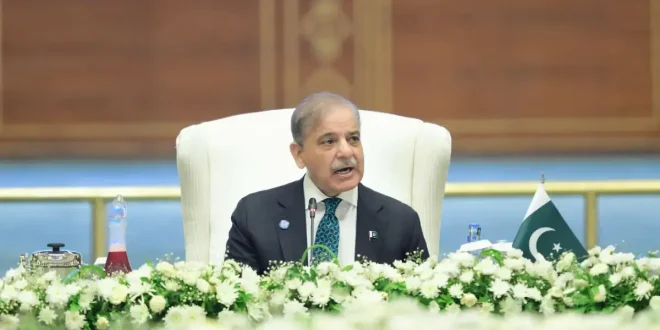
PM Shehbaz says Youm-i-Takbeer symbolises Pakistan’s strength, sovereignty and national unity
Pakistan recently marked Youm-i-Takbeer, a day of profound national significance, commemorating the 26th anniversary of the country’s emergence as a nuclear power. Messages from Prime Minister Shehbaz Sharif, President Asif Ali Zardari, and the nation’s top military brass underscored the day’s importance as a symbol of national strength, unwavering sovereignty, and collective unity.
Pakistan Reaffirms Nuclear Resolve on Youm-i-Takbeer
On May 28, Pakistan observed Youm-i-Takbeer, a historic date etched into its national memory. Prime Minister Shehbaz Sharif, in his address, hailed the occasion as a testament to Pakistan’s collective resolve, unity, and courage in achieving nuclear capability. He highlighted the 1998 atomic tests in the Chagai hills of Balochistan as a crucial response to India’s nuclear explosions, emphasizing their role in safeguarding national defense and sovereignty while restoring a strategic balance in South Asia. The Prime Minister paid tribute to key figures instrumental in this achievement, including former Prime Ministers Zulfikar Ali Bhutto and Nawaz Sharif, alongside scientific pioneers like Abdul Qadeer Khan and Samar Mubarakmand.
Concurring with this sentiment, President Asif Ali Zardari described Youm-i-Takbeer as a “defining moment” when Pakistan attained strategic sovereignty and ensured an impregnable defense. He stressed the nation’s steadfastness despite immense international pressure and sanctions. The armed forces leadership, including Chief of Defence Forces (CDF) Field Marshal Asim Munir, echoed these statements, reaffirming their unwavering commitment to defending the motherland against all threats and ensuring national stability.
Beyond celebrating the nuclear achievement, PM Shehbaz also addressed contemporary security challenges. He referenced recent tensions with India, specifically mentioning “Marka-i-Haq” – referring to the 2019 aerial confrontation – and alleged “false flag operations” by India in occupied Kashmir. The Prime Minister further warned against hostile forces attempting to destabilize Pakistan through proxy elements, labeling them ‘Fitna al Khawarij’ (a term for terrorists belonging to the banned Tehreek-i-Taliban Pakistan) and ‘Fitna al Hindustan’ (terrorist organizations in Balochistan, often linked to alleged foreign backing). He affirmed Pakistan’s determination to eliminate these threats through ongoing operations like Bunyanun Marsoos and Ghazab lil-Haq, praising the professionalism of the armed forces under current leadership.
The Genesis of Pakistan’s Nuclear Deterrence: A Strategic Imperative
The journey towards Youm-i-Takbeer began much earlier, rooted in complex regional security dynamics. Pakistan’s nuclear program was initiated in the early 1970s under Prime Minister Zulfikar Ali Bhutto, primarily driven by the perceived existential threat from India, particularly after its 1974 “peaceful nuclear explosion.” For over two decades, Pakistan pursued its strategic program amidst intense international scrutiny, facing diplomatic pressure, sanctions, and efforts aimed at halting its progress.
The critical juncture arrived in May 1998 when India conducted its Pokhran-II series of nuclear tests. This move dramatically altered the regional security landscape, compelling Pakistan to respond to maintain a credible deterrent and prevent a severe strategic imbalance. Despite the certainty of severe economic consequences and global condemnation, then-Prime Minister Nawaz Sharif authorized Pakistan’s own nuclear tests on May 28, 1998, code-named Chagai-I. This pivotal decision made Pakistan the seventh declared nuclear power, fundamentally reshaping the strategic balance in South Asia and providing an indispensable layer of defense against potential aggression.
The narratives surrounding Youm-i-Takbeer consistently highlight the sacrifice and resilience demonstrated by the nation, its political leadership, scientists, and armed forces in the face of daunting challenges, framing the nuclear capability as an indispensable guarantor of national survival.
Why It Matters: Strategic Sovereignty and Regional Stability
Youm-i-Takbeer is more than just an anniversary; it’s a profound reaffirmation of Pakistan’s strategic independence and its unwavering commitment to national defense. The nuclear tests established Pakistan’s credible minimum deterrence, fundamentally altering the security calculus in South Asia. This deterrence capability has since served as a crucial bulwark against external aggression, ensuring the nation’s sovereignty and territorial integrity in a volatile neighborhood.
For Pakistan, becoming a nuclear power was not an act of aggression but a strategic imperative to restore balance and deter conventional military adventurism. It provided the nation with an undeniable voice on global security matters and underscored its ability to protect its core interests. The day also serves as a powerful symbol of national unity, reminding citizens of the collective resolve required to achieve monumental goals despite immense international pressure. It reinforces a narrative of self-reliance and resilience against perceived external threats, consolidating internal cohesion around national security objectives.
Impact on Pakistan: A Deterrent Against Evolving Threats
The immediate impact of Youm-i-Takbeer was the establishment of a robust strategic deterrence, safeguarding Pakistan from conventional military superiority in the region. Over the years, this has translated into a foundational element of Pakistan’s defense policy, significantly influencing its foreign relations and regional standing. While the nuclear status brought international sanctions initially, the long-term benefit of a secure defense posture has been paramount for successive Pakistani governments.
Today, Pakistan’s nuclear capability continues to be viewed as a vital asset. However, the nation faces a multi-faceted and evolving security landscape. The statements from the leadership highlight not only the enduring strategic threat from India but also the growing menace of internal terrorism and proxy warfare. The explicit naming of ‘Fitna al Khawarij’ and ‘Fitna al Hindustan’ signifies the state’s recognition of complex security challenges that demand ongoing military operations and advanced defense capabilities, including in emerging domains like cyber warfare and artificial intelligence. The emphasis on the armed forces’ professionalism and preparedness underscores a proactive approach to these evolving threats, ensuring that the country’s defense is not solely reliant on nuclear deterrence but also on robust conventional strength and technological advancements.
Analysis: A Unified Narrative of Strength and Vigilance
The synchronized messages from Pakistan’s political and military leadership on Youm-i-Takbeer paint a cohesive picture of a nation united in its defense and national interest. This annual observance is strategically utilized to reinforce a powerful national narrative:
- Unwavering Deterrence: The celebration unequivocally reaffirms Pakistan’s commitment to its nuclear program as the ultimate guarantor of national security, particularly in response to India’s strategic posture. The strong condemnation of India’s “militaristic ambitions” and alleged “false flag operations” serves to justify Pakistan’s defense stance and maintain public support for a robust military.
- National Unity and Resilience: The day is a potent symbol for fostering domestic cohesion. By invoking the spirit of collective sacrifice and determination from 1998, leaders aim to rally the populace behind national objectives, especially when facing internal and external pressures. The praise for scientists, engineers, and armed forces personnel reinforces national pride and the value of collective effort.
- Addressing Contemporary Threats: The broadening of the Youm-i-Takbeer narrative beyond the original nuclear tests to encompass modern threats like cyber warfare, AI, and explicitly named internal terrorist groups demonstrates the government’s comprehensive approach to national security. This links the foundational act of nuclear deterrence to ongoing efforts against militancy and proxy elements, providing a continuous justification for military operations and resource allocation.
- Leadership Endorsement: The praise showered on the Chief of Defence Forces and other service chiefs is a clear endorsement of the military’s central role in national policy and security. It highlights the strong civil-military alignment on defense matters, projecting an image of stable and capable leadership guiding the nation through complex challenges.
In essence, Youm-i-Takbeer serves as a multi-layered platform for Pakistan’s leadership to commemorate a historic achievement, communicate its defensive posture to the international community, and mobilize domestic support for its ongoing security strategies. It’s a day for looking back at a pivotal moment and forward to the evolving challenges that require continued vigilance, unity, and strategic resolve for a strong, prosperous, and dignified Pakistan.