 Dost Pakistan Journeys Tours and safaris in the North & South Pakistsn
“`html
Pakistan’s Shifting Ground: Analyzing the Persistent Earthquake Threat Across Balochistan and Beyond
Pakistan, a nation geographically positioned at the crossroads of several major tectonic plates, frequently experiences seismic activity. A recent series of earthquakes across its diverse landscape serves as a stark reminder of this enduring geological reality. From the rugged terrain of Balochistan to the populous plains of Punjab and the northern reaches bordering the Hindu Kush, these tremors underscore a critical need for robust preparedness and long-term resilience strategies.
The Recent Tremors: A Snapshot of Pakistan’s Seismic Reality
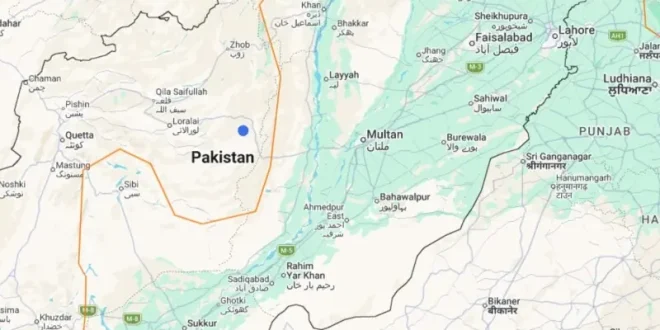
The latest in this series of events was a 5.1-magnitude earthquake that struck parts of Balochistan on Friday. According to the Pakistan Meteorological Department (PMD), the epicenter was located 60 kilometers northeast of Kohlu, with tremors felt in nearby Zhob, Barkhan, and Rakhni. The quake, occurring at 4:48 PM, registered at a depth of 17 kilometers. Interestingly, the United States Geological Survey (USGS) reported a slightly different reading: a 5.2 magnitude quake north-northeast of Barkhan at a shallower depth of 10 kilometers. Such minor discrepancies are not uncommon, reflecting different monitoring networks and analytical methods, but both agencies concur on the significant seismic event.
This incident follows closely on the heels of a 5.4-magnitude earthquake earlier in the week, which jolted a much wider area, including Khyber Pakhtunkhwa, Punjab, and the capital, Islamabad. This deeper quake, with its epicenter in Afghanistan’s Hindu Kush region at a depth of 215 kilometers, was widely felt in major cities like Peshawar, Lahore, and Rawalpindi, demonstrating the far-reaching impact of deep-seated seismic events.
Even more poignantly, last month saw a 4.8-magnitude earthquake in Jhelum’s Pind Dadan Khan tehsil. While numerically smaller, this quake tragically resulted in one fatality and 11 injuries, alongside significant damage to several houses. This incident highlights that even moderate tremors can have severe consequences, particularly in areas with vulnerable infrastructure.
Beneath the Surface: Understanding Pakistan’s Geological Crossroads
Pakistan’s susceptibility to earthquakes is rooted in its unique geological setting. The country lies at the intersection of three major tectonic plates: the Indian Plate, the Eurasian Plate, and the Arabian Plate. The incessant grinding and collision of these colossal landmasses generate immense stress, which is periodically released in the form of earthquakes. This complex interaction has carved out five distinct seismic zones across the country, each carrying varying degrees of risk.
The Indian Plate, pushing northward into the Eurasian Plate, is responsible for the uplift of the Himalayas and the Hindu Kush mountains. This ongoing collision creates numerous active fault lines stretching across Pakistan’s northern and western regions, including Balochistan, which sits on a complex network of fault systems where the Arabian and Eurasian plates interact. The varying depths of the recent quakes – from the relatively shallow 10-17 km in Balochistan to the very deep 215 km originating in the Hindu Kush – illustrate that seismic activity is occurring at multiple levels within these complex plate boundaries. Shallow earthquakes, like the one in Jhelum, often cause more localized and intense shaking, leading to greater surface damage.
This tectonic dynamism means that seismic movements are not just an occasional occurrence but a fundamental feature of Pakistan’s geography, shaping its landscape and posing a constant challenge to its inhabitants.
The Human and Infrastructural Toll: Immediate and Long-Term Impacts
The recent events highlight several critical areas of impact and vulnerability across Pakistan:
- Human Cost: The fatality and injuries reported in Jhelum from a moderate 4.8-magnitude quake underscore a serious concern regarding structural integrity, particularly in older or non-engineered buildings. Even minor to moderate quakes can turn deadly when infrastructure is not resilient.
- Infrastructure Vulnerability: While deeper quakes often spread their energy over a wider area, shallow quakes in populated regions can be devastating. Balochistan, with its vast and often remote landscapes, presents unique challenges for rapid assessment and disaster response, where communication and access can be limited. The damage to houses, as seen in Jhelum, indicates a pervasive issue with building codes and their enforcement.
- Economic Disruption: Earthquakes, beyond immediate casualties, inflict significant economic costs through property damage, disruption of livelihoods, and the diversion of resources towards relief and reconstruction. For a developing nation like Pakistan, frequent seismic events can hinder progress and strain already stretched public services.
- Psychological Impact: The constant threat and experience of tremors can lead to widespread anxiety and stress among the population, particularly in frequently affected regions.
- Regional Disparities: While major cities often have better-built infrastructure, remote and rural areas, often home to poorer communities, are disproportionately affected due to weaker construction standards and limited access to emergency services.
Towards a Resilient Future: Analysis and Recommendations
The recurring seismic events across Pakistan are not isolated incidents but a persistent geological reality demanding a comprehensive and proactive approach to disaster management. The analysis of these recent quakes points to several crucial areas for action:
- Strengthening Building Codes and Enforcement: The damage and casualties from the relatively moderate Jhelum quake are a clear indicator that existing building codes need rigorous review, updating, and, most critically, stringent enforcement, particularly in high-risk zones. Promoting earthquake-resistant construction practices, even for smaller residential structures, is paramount.
- Enhanced Seismic Monitoring and Research: Continued investment in advanced seismic monitoring equipment and research is vital. Better understanding of local fault lines, their behavior, and potential rupture scenarios can lead to improved hazard mapping and more accurate risk assessments for urban planning.
- Community Awareness and Preparedness: Public education campaigns are crucial to foster a culture of preparedness. Simple yet effective measures, such as “Drop, Cover, and Hold On,” along with family emergency plans and basic first aid training, can significantly reduce casualties and chaos during an event.
- Investing in Early Warning Systems: While earthquake prediction remains elusive, early warning systems (which provide seconds to tens of seconds of warning after a quake starts but before strong shaking arrives at a location) can offer valuable time for people to take cover and critical infrastructure to initiate automated shutdowns.
- Robust Disaster Response Infrastructure: The challenges posed by remote areas like Balochistan necessitate the development of resilient communication networks, pre-positioned emergency supplies, and trained rapid response teams capable of operating effectively in difficult terrains.
- Regional and International Collaboration: Given that many epicenters, like the Hindu Kush, transcend national borders, international cooperation in seismic data sharing and disaster management strategies is indispensable for effective regional preparedness.
Pakistan’s future resilience against seismic threats hinges on a multifaceted strategy that combines scientific understanding, robust infrastructure development, stringent regulatory frameworks, and an empowered, well-informed populace. The recent tremors serve as an urgent call to action, reminding us that proactive investment in safety and preparedness is not an option, but a necessity for safeguarding lives and fostering sustainable development in a seismically active region.
“`
