 Dost Pakistan Journeys Tours and safaris in the North & South Pakistsn
Related Articles

“`html
Pakistan-Saudi Arabia Deepen Security Ties: Federal Constabulary to Enhance Diplomatic Protection
In a significant move underscoring the enduring strategic partnership between Islamabad and Riyadh, Pakistan’s Federal Constabulary is set to dispatch 200 personnel from its elite Special Diplomatic Protection Unit (SDPU) to Saudi Arabia for specialized training. This decision, announced by the interior ministry, solidifies a commitment to bolster Pakistan’s internal security capabilities through enhanced international cooperation.
What Happened
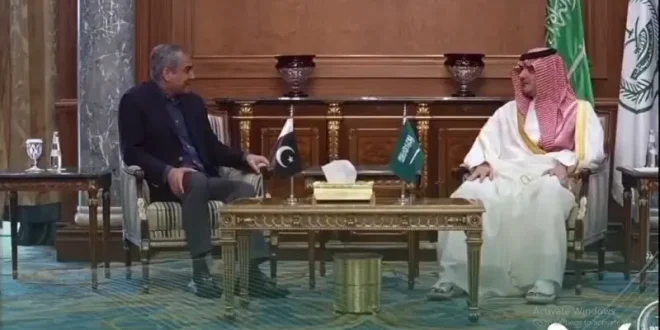
The announcement emerged from a high-level meeting between Pakistan’s Interior Minister Mohsin Naqvi and his Saudi counterpart, Abdulaziz bin Saud Al Saud, held recently in Mina, Saudi Arabia. The discussion, which took place amidst Eidul Azha festivities and the Hajj pilgrimage, covered a range of subjects including bilateral relations, internal security matters, and the prevailing regional situation. A key outcome was the concrete decision to send 200 personnel from Pakistan’s Federal Constabulary’s Special Diplomatic Protection Unit for training in the Kingdom, signaling a tangible step in security collaboration.
Background: A Deep-Rooted Alliance
The relationship between Pakistan and Saudi Arabia is multifaceted, built on decades of religious affinity, economic cooperation, and strategic alignment. Saudi Arabia is a vital economic partner for Pakistan, a significant source of remittances, and a key investor. Crucially, the bond extends to security and defense, with both nations frequently engaging in military exercises, intelligence sharing, and high-level consultations. The Federal Constabulary, a specialized law enforcement agency in Pakistan, is tasked with protecting foreign diplomatic missions, government facilities, and key personnel. Enhancing the skills of its Special Diplomatic Protection Unit is paramount for safeguarding Pakistan’s international presence and ensuring the safety of foreign dignitaries within its borders. Saudi Arabia, with its vast resources and experience in managing large-scale events like the annual Hajj pilgrimage and securing critical infrastructure, possesses considerable expertise in VIP protection, counter-terrorism, and advanced security protocols.
Why It Matters: Beyond Basic Training
This initiative transcends a simple training exchange; it represents a strategic deepening of the Pakistan-Saudi security partnership. Firstly, it directly enhances Pakistan’s capacity to protect diplomatic personnel and critical assets, a fundamental requirement for maintaining stable international relations and attracting foreign investment. Secondly, it signifies a shared commitment to addressing regional security challenges. The mention of both ministers discussing the regional situation and Saudi Arabia praising Pakistan’s role in “reducing tensions” hints at a broader strategic dialogue where improved security capabilities contribute to regional stability. Thirdly, the transfer of knowledge from Saudi security institutions, potentially in areas like advanced surveillance, crowd control unique to pilgrimage cities, or counter-threat methodologies, will undoubtedly professionalize Pakistan’s forces, bringing them closer to international best practices.
Impact on Pakistan: Professionalization and Prestige
For Pakistan, the impact of this training is substantial. On an operational level, the 200 personnel will return with advanced skills and refined techniques, directly translating into more effective protection protocols for foreign diplomats, visiting dignitaries, and critical installations nationwide. This professional development within the Federal Constabulary is crucial for improving Pakistan’s overall internal security architecture. Furthermore, by ensuring a safer environment for diplomatic missions, Pakistan bolsters its international reputation as a reliable and secure host country, potentially fostering increased diplomatic engagement, trade, and cultural exchange. In the long term, this capacity building is an investment in national security that contributes to creating a more stable and predictable environment essential for economic growth and stability.
Analysis: A Pragmatic Move with Strategic Horizons
The decision to formalize this training during the auspicious occasion of Hajj adds a layer of symbolic significance, emphasizing the deep trust and shared values between the two nations. It’s a pragmatic step that moves beyond rhetoric to concrete action in security cooperation. In a volatile geopolitical landscape, strengthening alliances with key partners like Saudi Arabia is strategically imperative for Pakistan. This initiative suggests a proactive approach to evolving security threats and a desire to align with regional security frameworks. While the immediate focus is on diplomatic protection, such exchanges often lay the groundwork for broader defense cooperation, joint exercises, and enhanced intelligence sharing in the future. It underscores Pakistan’s commitment to continuous improvement in its security apparatus and its role as a responsible stakeholder in regional peace and security. This training program is not merely an investment in personnel; it is an investment in the enduring strategic partnership between Pakistan and Saudi Arabia, positioning both nations to better address the complex security challenges of the 21st century.
“`
