 Dost Pakistan Journeys Tours and safaris in the North & South Pakistsn
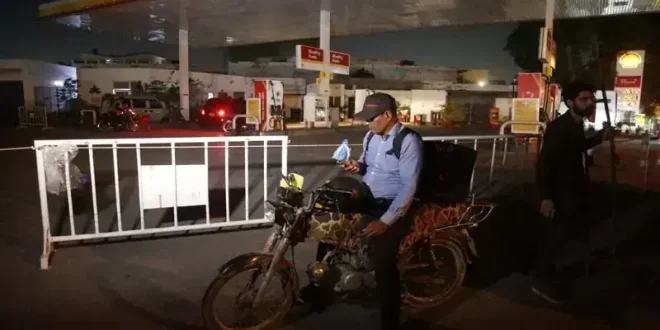
Split Among Fuel Dealers Blunts Impact of Pump ‘Shutdown’
The News
Pakistan recently witnessed a call for a nationwide petrol pump shutdown by the All Pakistan Petroleum Pump Owners Association (APPPOA), demanding crucial reforms. However, the anticipated disruption to the country’s fuel supply was significantly diminished due to a pronounced split among various petroleum dealer groups. While the APPPOA had announced the closure of an estimated 15,000 pumps, the majority of fuel stations, particularly in major urban centers like Lahore, Faisalabad, and Multan, remained operational. Only select regions, notably Peshawar and some rural areas along key highways, experienced more widespread closures.
In a late-night development, the APPPOA ultimately called off its strike for 15 days following assurances from the government. The primary demands centered on the implementation of an approved increase in dealers’ commission – from Rs8.64 to Rs9.98 per liter, with a long-term goal of an 8% commission (around Rs25 per liter) – and a review of the daily fuel pricing mechanism. The government reportedly committed to moving a summary for the commission increase and addressing the pricing issue within the stipulated two-week period, temporarily averting a more severe Pakistan fuel crisis.
Background: Understanding the Core Issues and Divisions
The recent shutdown call is not an isolated incident but rather a symptom of deeper, persistent issues within Pakistan’s petroleum distribution sector. At its heart lies the contentious issue of dealer commission. Petroleum dealers argue that their current margins, approved in December last year but withheld by the federal cabinet pending digitalization of sales, are insufficient to cover escalating operational costs. Factors such as inflation, rising electricity tariffs, labor wages, and infrastructure maintenance have squeezed profitability, making the call for an 8% commission a matter of financial survival for many.
Another significant point of contention is the system of daily fuel pricing. While intended to reflect global market dynamics more accurately, dealers express concerns about the increased risk of inventory losses if prices fluctuate downwards frequently. This system also introduces administrative complexities for managing stock values. Additionally, demands for an end to supply quotas imposed by Oil Marketing Companies (OMCs) highlight underlying tensions in the dealer-OMC relationship, affecting supply stability and dealer autonomy.
Crucially, the effectiveness of any collective action by dealers is consistently undermined by internal fragmentation. The news explicitly points to “many groups within the association” and mentions the “Sami Khan group of Karachi” and the “Humayun Khan group of Khanewal.” This perpetual disunity stems from differing business interests, affiliations with specific OMCs, and regional priorities, making it challenging for them to present a united front for their collective bargaining demands. The agreements binding some dealers to OMCs to operate 24/7 also played a role in limiting strike participation, demonstrating the intricate web of contractual obligations in the sector.
Impact on Pakistan: A Crisis Averted, for Now
The limited impact of the recent petrol pump strike offered Pakistan a temporary reprieve from widespread disruption. Had the shutdown been fully effective, the consequences could have been severe, significantly impacting the nation’s fragile economy and daily life. Fuel is the lifeblood of transport, agriculture, and industrial operations; a complete halt would have stalled supply chains, jeopardized perishable goods, and brought commercial activity to a standstill, exacerbating existing economic challenges.
The fact that most urban pumps remained open meant that the public did not face immediate hardship in accessing fuel, thus preventing panic buying and widespread public discontent that often accompanies such disputes. This partial success for the government in mitigating a potential crisis, largely due to the dealers’ internal divisions, underscores a recurring pattern in Pakistan energy policy – the government often navigates such situations through negotiation and assurances, buying time rather than implementing immediate, fundamental reforms.
However, while a major crisis was averted, the underlying issues persist. The constant threat of fuel supply disruption, even if not fully realized, creates economic uncertainty and puts pressure on the government to find sustainable solutions to dealer grievances. The government’s promise to review demands within 15 days is a short-term solution, setting the stage for future negotiations and potentially another showdown if resolutions are not satisfactory.
Analysis: The Power of Disunity and the Road Ahead
The recent episode serves as a powerful illustration of how internal divisions within a stakeholder group can critically undermine its leverage in negotiations. The split among petroleum dealers proved more effective in blunting the strike’s impact than any direct government intervention. This fragmentation not only weakened the APPPOA’s collective bargaining power but also offered the government a strategic advantage, allowing it to address the situation with assurances rather than immediate, comprehensive concessions.
The government’s approach, offering a 15-day window for review and linking commission implementation to digitalization, reflects a strategic blend of delay tactics and calls for modernization. While buying time, it also pushes for greater transparency and efficiency in the sector, which could be a long-term positive for the Pakistan economy and consumers. However, the fundamental tension between ensuring dealer profitability, maintaining affordable petroleum prices Pakistan, and securing government revenue remains a perpetual challenge.
Looking ahead, the core demands for a substantial increase in dealer commission and a review of daily pricing are unlikely to dissipate. If granted, an 8% commission would significantly increase pump prices for consumers, creating another layer of economic burden. The government faces a delicate balancing act: addressing the legitimate concerns of dealers to ensure a stable supply chain, without unduly impacting consumer affordability or fueling inflation. The ability of the dealer associations to overcome their internal differences and present a united front will be crucial for their future advocacy, but the current scenario suggests that such unity remains an elusive goal, potentially leaving the sector prone to recurring, yet often ineffectual, protest actions.
