 Dost Pakistan Journeys Tours and safaris in the North & South Pakistsn
“`html
Pakistan’s Perennial Flood Challenge: A Deep Dive into the Chenab Deluge and Climate Resilience
Recent Flood Alerts: Chenab River in High Flood
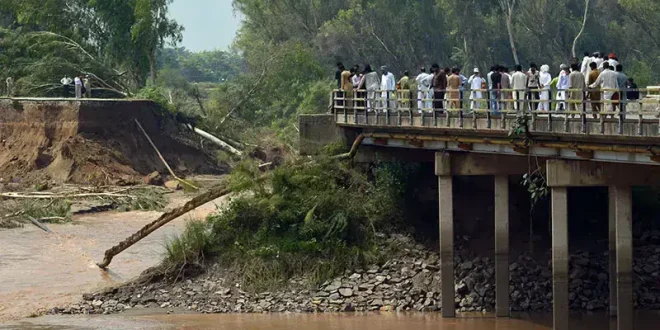
Pakistan is once again grappling with the immediate threat of widespread flooding as its vital river systems swell under intense monsoon rains. The Chenab River, a major tributary of the Indus, is currently experiencing a high-flood state, particularly at the Qadirabad and Chiniot Bridge points. While water levels at Marala and Khanki had briefly subsided to a medium flood, the situation remains precarious, with the Flood Forecasting Division (FFD) warning of a potential surge by July 25th due to a fresh monsoon spell and a reinforcing westerly weather system.
The torrential downpours originate not only within Pakistan’s Punjab province but also significantly from upstream regions, specifically in Indian-administered Kashmir. This transboundary aspect adds complexity to flood prediction and management efforts. Beyond the major rivers, the FFD has issued critical alerts for flash flooding in the hill torrents of Dera Ghazi Khan, Khyber Pakhtunkhwa (KP), and northern Balochistan. Furthermore, several major urban centers, including Rawalpindi, Lahore, and Gujranwala, face a high likelihood of urban flooding, signaling severe disruption to daily life and infrastructure.
Monitoring critical water reservoirs, the Water and Power Development Authority (WAPDA) reported healthy levels at Tarbela (1,519.11 feet), Mangla (1,183.90 feet), and Chashma Lake, indicating sufficient storage for now. However, the continuous influx of water underscores the delicate balance required for effective water management amidst a dynamic weather situation.
Pakistan’s Vulnerability to Monsoon Flooding: A Perennial Challenge
Pakistan’s geographical position renders it exceptionally vulnerable to the annual monsoon season, a critical period for its largely agrarian economy but also a source of recurrent disaster. The country relies heavily on the Indus River System, which includes the Chenab, Jhelum, Ravi, and Sutlej rivers, all originating in the Himalayas. The annual monsoon, typically from July to September, brings essential rainfall that irrigates crops and replenishes water reservoirs. However, its increasing intensity, a hallmark of global climate change, often transforms this vital lifeline into a destructive force.
The Chenab River, in particular, flows from India into Pakistan, making upstream rainfall and water releases critical factors for downstream flood management. Historical data reveals a grim pattern of devastating floods, with the catastrophic events of 2010 and 2022 serving as stark reminders of the immense human and economic toll. The 2022 floods alone affected 33 million people, displaced millions, and caused an estimated $30 billion in damages, highlighting the country’s profound exposure to climate-induced disasters.
While Pakistan has invested in significant water infrastructure, including large dams like Tarbela and Mangla, these facilities primarily serve for irrigation and power generation, with flood control being a secondary, albeit crucial, function. The capacity of these dams, along with natural riverine systems, is frequently tested by increasingly unpredictable and extreme weather patterns.
Immediate and Broad Ranging Impacts of Surging Waters
The current high-flood alert along the Chenab River and the broader warnings issued by the FFD carry significant immediate and long-term implications for Pakistan. The most pressing concern is the direct threat to human life and livelihoods. Communities residing in low-lying areas, particularly along river banks and in urban centers prone to waterlogging, face displacement, loss of homes, and potential fatalities.
Economically, the impacts are multi-faceted:
- Agricultural Losses: Submerged farmlands and damaged crops, especially during the crucial kharif (summer) season, can severely impact food security and the livelihoods of millions of farmers.
- Infrastructure Damage: Urban flooding disrupts transportation networks, damages roads, bridges, and utilities, leading to significant repair costs and hampering economic activity.
- Public Health Crisis: Stagnant floodwaters create breeding grounds for waterborne diseases such as cholera, dengue, and malaria, putting immense pressure on an already strained healthcare system.
- Displacement and Social Disruption: Mass evacuations lead to internal displacement, overcrowding in relief camps, and a breakdown of social services, creating psychological trauma for affected populations.
- Strain on National Resources: Emergency response and rehabilitation efforts divert significant national resources, hindering development initiatives and exacerbating fiscal challenges.
The widespread nature of the FFD’s warnings – covering regions from KP and Balochistan to Sindh and Punjab – underscores the national scale of this recurring crisis, demanding coordinated and robust responses from various government agencies and humanitarian organizations.
Navigating the Deluge: Challenges and the Path Forward
The persistent challenge of monsoon flooding in Pakistan is a complex interplay of environmental factors, infrastructure limitations, and governance issues, all magnified by the overarching threat of climate change. The recent warnings serve as another critical reminder of the urgent need for a more comprehensive and resilient approach to disaster management.
Key Challenges:
- Climate Change Intensification: The increasing frequency and intensity of extreme weather events, including unprecedented rainfall spells and westerly disturbances, make flood forecasting and mitigation increasingly difficult. The FFD’s reference to a “westerly weather system coupled with strong monsoon currents” illustrates this complex meteorological reality.
- Transboundary Water Management: The reliance on data from “held Kashmir” highlights the need for improved transboundary cooperation with India on real-time water flow and rainfall data sharing, which is often hampered by geopolitical tensions.
- Inadequate Infrastructure: Aging flood protection embankments, coupled with rapidly expanding and often unplanned urban development, create vulnerabilities. Many urban areas lack sufficient drainage systems, turning heavy rainfall into immediate urban flooding.
- Early Warning and Communication Gaps: While the FFD provides warnings, ensuring timely and effective dissemination to vulnerable communities, especially in remote areas, and fostering a culture of preparedness remains a significant hurdle.
- Financial Constraints: Implementing large-scale flood control projects, upgrading infrastructure, and investing in climate-resilient solutions require substantial financial resources that a developing economy like Pakistan often struggles to secure.
Path Forward: Strategies for Resilience
Addressing Pakistan’s flood vulnerability demands a multi-pronged strategy encompassing:
- Climate-Resilient Infrastructure: Investing in the construction and upgrading of flood protection infrastructure, including dams, levees, and river embankments. Crucially, this must include nature-based solutions like reforestation and wetland restoration, which enhance natural water retention and slow down runoff.
- Advanced Early Warning Systems: Modernizing the FFD’s capabilities with real-time satellite imagery, AI-driven predictive modeling, and robust communication channels (SMS alerts, community radio) to ensure warnings reach the ‘last mile’.
- Sustainable Urban Planning: Implementing strict building codes and discouraging construction in flood-prone zones. Developing integrated urban drainage systems, promoting permeable surfaces, and creating green spaces to absorb excess water are essential for mitigating urban flooding.
- Integrated Water Management: A holistic approach to managing the entire Indus River System, balancing the needs for irrigation, power generation, and flood control. This also entails exploring options for additional water storage capacity where environmentally feasible.
- Community Preparedness and Education: Empowering local communities with knowledge and resources to prepare for and respond to floods, including evacuation drills and emergency kits.
- Transboundary Dialogue: Pursuing diplomatic efforts for enhanced data sharing and cooperation with upstream riparian countries, particularly India, for more effective flood forecasting and management.
- International Collaboration: Leveraging international partnerships for technical expertise, financial aid, and knowledge transfer in climate adaptation and disaster risk reduction.
The recurrence of high floods, like the one currently impacting the Chenab River, is not merely a seasonal challenge but a stark indicator of Pakistan’s heightened exposure to climate change. Building genuine resilience requires not just reactive measures but a proactive, long-term commitment to sustainable development, strategic infrastructure investment, and robust governance in water and disaster management.
“`
