 Dost Pakistan Journeys Tours and safaris in the North & South Pakistsn
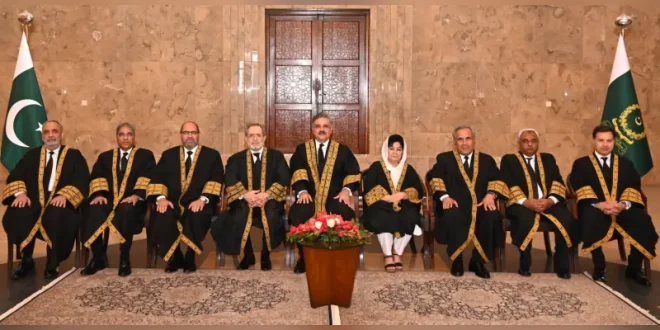
Pakistan’s Governance Crossroads: Bar Bodies Weigh In on New Provinces and Judicial Reforms
An Original Analysis Article
The News: Legal Fraternity’s Diverse Voices on National Issues
Pakistan’s legal and political landscape is currently animated by critical discussions concerning national governance and judicial efficacy. A significant development emerged recently as the Supreme Court Bar Association (SCBA), a premier body representing lawyers, openly backed Interior Minister Syed Mohsin Naqvi’s contentious call for the creation of new provinces. SCBA President Haroonur Rashid articulated this support, framing it as a crucial “step forward” for enhanced governance, aiming for a more devolved administration, equitable economic development, and robust political stability across the nation. The association believes this move could also elevate living standards by tackling pervasive economic challenges.
Conversely, the Pakistan Bar Council (PBC), the apex regulatory body for the legal fraternity, while acknowledging the importance of re-evaluating administrative units, adopted a more cautious stance. It firmly asserted that any such provincial reorganisation must strictly conform to constitutional principles, parliamentary processes, and be founded on a broad national consensus. To foster this, the PBC plans to organise a national seminar bringing together political leaders and legal representatives for meaningful dialogue. Beyond provincial restructuring, both legal bodies also addressed other pressing national concerns: the SCBA championed recent constitutional amendments designed to refine judicial processes and urged presidential assent for high court judge appointments, while the PBC unequivocally condemned the National Cyber Crime Investigation Agency’s (NCCIA) actions against journalists, reaffirming its unwavering commitment to a free and independent press.
Background: Decades of Debate and Governance Challenges
The discussion surrounding the creation of new provinces in Pakistan is by no means novel; it is a long-standing debate deeply embedded in the country’s socio-political fabric. Since its inception, Pakistan’s federal structure, comprising four large provinces – Punjab, Sindh, Khyber Pakhtunkhwa, and Balochistan – has faced recurring criticism. A primary contention revolves around the perceived imbalance in development, resource allocation, and political representation, particularly for regions within larger provinces that feel neglected. The sheer size of some administrative units, notably Punjab, has often fueled demands for smaller, more manageable provinces, aimed at bringing governance closer to the populace and addressing regional disparities more effectively. Proponents argue that such decentralization could lead to improved administrative efficiency, localized policy-making tailored to specific regional needs, and a fairer distribution of development funds, thereby empowering marginalized communities and fostering a stronger sense of local ownership.
The involvement of the SCBA and PBC in these discussions highlights their traditional, yet expanding, role as custodians of the Constitution and influential voices in national discourse. These bodies often extend their engagement beyond purely legal matters to encompass broader societal and political concerns, acting as a crucial check and balance. Their divergent yet complementary perspectives on provincial restructuring – SCBA’s enthusiastic endorsement versus PBC’s emphasis on constitutional procedure and consensus – reflect the complexity of the issue. Furthermore, the SCBA’s support for the 26th and 27th Constitutional Amendments points to ongoing efforts to refine the delicate balance of power among the executive, legislature, and judiciary, particularly concerning the sensitive process of judicial appointments. Historically, this area has been a source of institutional friction in Pakistan. Concurrently, the PBC’s strong condemnation of actions against journalists underscores a persistent struggle for media freedom, often challenged under the ambit of laws like the Prevention of Electronic Crimes Act (PECA), which critics argue can be used to stifle dissent and critical reporting.
Impact on Pakistan: Devolution, Democracy, and Justice
The potential creation of new provinces holds profound and far-reaching implications for Pakistan. If meticulously planned and executed with genuine political will, such a reorganisation could indeed catalyze an era of enhanced governance and more equitable development. Smaller administrative units have the potential to streamline public service delivery, facilitate the implementation of economic policies precisely tailored to local needs, and potentially alleviate ethnic or regional tensions by offering greater representation and autonomy. This could empower previously marginalized communities, fostering a stronger sense of participation and belonging within the larger federation. However, the path is fraught with significant challenges, including the complex process of defining new boundaries, equitably allocating resources, managing potential inter-provincial disputes, and ensuring that new administrative structures do not simply replicate existing governance flaws on a smaller scale. Without a robust constitutional framework and sincere commitment to reform, this ambitious undertaking could inadvertently generate new forms of conflict or administrative inefficiencies.
The legal fraternity’s advocacy for timely judicial appointments and support for constitutional amendments impacting the judiciary are equally critical for the functionality of Pakistan’s democratic system. Delays in appointing judges not only exacerbate the existing backlog within the judicial system, hindering the prompt dispensation of justice, but also erode public trust in the rule of law. The SCBA’s endorsement of the 26th and 27th Amendments, particularly their aim for a more balanced and transparent appointment procedure, reflects an ongoing effort to depoliticize the judiciary and ensure that selections are based purely on merit. An independent and efficient judiciary is an indispensable pillar for upholding the Constitution, protecting fundamental rights, and providing an essential check on potential executive overreach.
Finally, the PBC’s unequivocal defense of press freedom against actions by agencies like the NCCIA is a vital indicator of democratic health. A free and independent media serves as a crucial watchdog, informing citizens, holding power accountable, and fostering an environment of open public discourse. Any attempts to curtail media freedom, especially through the application of potentially draconian legislation such as PECA, directly undermine constitutional guarantees of freedom of expression and the press, which are cornerstones of any functional democracy. The legal fraternity’s solidarity with journalists in this context underscores the intrinsic interconnectedness of various democratic pillars and the collective responsibility to safeguard civic liberties, ensuring that critical voices are not silenced.
Analysis: Navigating a Complex Path to Reform
The multifaceted discussions initiated by Pakistan’s legal fraternity underscore a nation at a pivotal juncture, confronting fundamental questions about its governance model, federal structure, and democratic resilience. Interior Minister Naqvi’s assertion that creating new provinces is the “only solution” signifies a heightened sense of urgency to address Pakistan’s entrenched socio-economic and administrative challenges. While the SCBA’s enthusiastic backing indicates a segment of the legal community embracing this as a pragmatic and necessary reform, the PBC’s more measured stance emphasizes the critical importance of due process and, most significantly, national consensus. This duality is instructive: while the underlying intent to improve governance and development is commendable, the implementation process must be meticulously planned and executed to preempt unintended consequences that could further destabilize an already complex political landscape.
The PBC’s insistence on a national consensus is particularly salient in a country like Pakistan, where historical experiences demonstrate that top-down reforms, lacking broad-based political and public ownership, often fail to achieve their intended objectives or even exacerbate existing tensions. Any reorganization of provinces, by its very nature, delves into sensitive ethnic, linguistic, and regional identities, making extensive dialogue among all political stakeholders, provincial assemblies, and civil society not merely desirable but absolutely imperative. This is not solely an administrative or technical exercise; it is a profound political undertaking that demands genuine compromise, a spirit of federalism, and a shared vision for a more inclusive and stable federation.
Furthermore, the interplay between calls for administrative reform (new provinces), judicial efficacy (appointments and constitutional amendments), and the protection of fundamental rights (press freedom) illustrates the holistic nature of national development. These are not isolated issues but rather interconnected threads that form the fabric of Pakistan’s democratic existence. An effective, devolved governance structure, buttressed by a robust and independent judiciary, and overseen by a free and vibrant press, collectively creates an environment conducive to stability, equitable economic growth, and the overall welfare of its citizens. The legal community’s proactive and diverse engagement on these critical fronts signifies its deep recognition of the structural issues that have historically impeded Pakistan’s progress and its commitment to shaping a more just future.
In conclusion, while the aspiration for “enhanced governance” and “equitable development” through the creation of new provinces is a compelling vision, Pakistan stands at a crucial crossroads where the path chosen will undoubtedly shape its destiny. The legal fraternity, through its varied voices, advocates for a trajectory that prioritizes constitutional adherence, inclusive dialogue, transparent processes, and the unwavering protection of fundamental rights. The true “step forward” will ultimately transcend the mere redrawing of administrative boundaries; it will be defined by a collective, unwavering commitment to fostering a genuinely democratic, equitable, and just society where governance genuinely serves all its people, meticulously planned and executed through profound national consensus.
“`
