 Dost Pakistan Journeys Tours and safaris in the North & South Pakistsn
“`html
Pakistan’s Political Thermometer: PTI Protests and the Judiciary’s Test
Examining the latest demonstrations, judicial assurances, and the simmering tensions threatening Pakistan’s stability.
The Immediate Catalyst: PTI’s Supreme Court Standoff
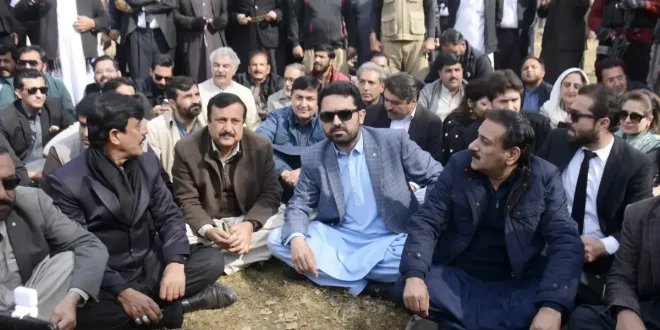
Pakistan’s political landscape, perpetually volatile, saw another surge of tension this week as the Pakistan Tehreek-i-Insaf (PTI) party mobilized supporters outside the Supreme Court. The primary grievances were two-fold: growing concern over the health of incarcerated former Prime Minister Imran Khan, and the perceived undue delays in the legal proceedings of his numerous pending cases. This demonstration, a significant show of force from a party facing a widespread crackdown, drew immediate attention to the plight of its charismatic leader.
The protest, however, reached a swift and somewhat unexpected resolution. Following direct engagement with party leaders, including PTI Secretary General Salman Akram Raja, the Supreme Court registrar offered assurances that Khan’s cases would be fixed for hearing in the coming week. This commitment led PTI to call off the immediate demonstration, albeit with a promise to return to the streets for a broader “true freedom” movement on Thursday.
Beneath the Surface: A Nation’s Deep-Seated Political Turmoil
To understand the significance of this protest, one must delve into the recent tumultuous history of Pakistan. Imran Khan, a cricketing legend turned populist politician, was controversially ousted from power in April 2022 through a no-confidence vote. His removal ushered in a period of intense political polarization, marked by allegations of foreign conspiracy, a severe economic crisis, and a relentless crackdown on PTI workers and leadership.
Khan himself has been embroiled in a litany of legal challenges since his ouster, culminating in his arrest and subsequent conviction in the Toshakhana case, which involves allegations of misusing state gifts. He is currently incarcerated, facing multiple other charges, some of which are viewed by his supporters as politically motivated attempts to sideline him from the upcoming general elections. The PTI claims these cases are “fabricated” and part of a broader strategy by “political opponents” to dismantle his party and suppress dissent.
The judiciary, historically a pivotal institution in Pakistan’s political cycles, finds itself at a critical juncture. Its role in upholding the rule of law and ensuring due process for all citizens, especially prominent political figures, is under intense scrutiny. Public perception of its independence and impartiality is being severely tested amidst the ongoing political turmoil.
Wider Repercussions: Judicial Scrutiny and Public Discontent
The PTI’s protest, though momentarily suspended, highlights several critical challenges facing Pakistan. Firstly, the demand for access to personal physicians and family for a former Prime Minister underscores fundamental human rights concerns. Khyber Pakhtunkhwa Chief Minister Sohail Afridi’s impassioned plea, drawing a stark comparison to Khan’s granting of medical travel to his rival Nawaz Sharif, resonated deeply with PTI supporters. This narrative fuels public perception of selective justice and a lack of humanitarian consideration for Khan.
Secondly, the Supreme Court’s response—the registrar’s assurance—is a delicate balancing act. While it diffused immediate tensions, it simultaneously places the judiciary under immense pressure to deliver on its promise. Any perceived backtracking or further delays could reignite protests and deepen public mistrust in the justice system. Afridi’s strong statement, “If judges do not deliver justice… where will the people turn in their pursuit of justice?”, directly challenges the judiciary’s institutional integrity and its foundational role in a democratic society.
Finally, the rhetoric employed by PTI leaders, particularly Afridi’s warning of a “spark of revolution” among the youth and the ominous mention of a deadline before “Sept 27,” points to a deeply frustrated populace. Such language, while perhaps a strategic political maneuver, reflects genuine underlying discontent. If left unaddressed, the escalating political temperature and perception of widespread injustice could indeed lead to broader social unrest, further destabilizing a nation already grappling with severe economic woes and security challenges. The political future of Pakistan hinges significantly on how these demands are met and how transparently the legal processes unfold for Imran Khan.
Analysis: A High-Stakes Game of Brinkmanship
The recent events represent a sophisticated game of political brinkmanship by the PTI. By staging a visible protest outside the Supreme Court, the party effectively leveraged public sentiment and media attention to exert pressure on the judicial system. The immediate assurance from the registrar can be viewed as a tactical victory, allowing PTI to claim a small success while maintaining momentum for future actions, as indicated by the call for another protest on Thursday.
This approach highlights PTI’s strategy:
- Humanitarian Appeal: Framing Imran Khan’s situation as a human rights issue, specifically regarding his health and access to his family and personal doctors, garners widespread sympathy and puts the government on the defensive.
- Judicial Pressure: Directly appealing to the Supreme Court registrar and publicizing the perceived delays in legal proceedings directly challenges the judiciary to act swiftly and fairly.
- Narrative Control: Drawing parallels with Nawaz Sharif’s case strategically positions Imran Khan as a victim of hypocrisy and selective justice, reinforcing the narrative of political persecution.
- Mobilization and Warning: The protest serves as a reminder of PTI’s street power, and Afridi’s warnings about youth revolution and an impending deadline are clear messages to “rulers and decision-makers” about the potential consequences of continued political oppression.
The Supreme Court, by offering an assurance, has bought itself time, but also intensified the spotlight on its upcoming actions. The legitimacy of Pakistan’s democratic institutions, particularly its justice system, is on trial. The “spark of revolution” that Afridi speaks of is not merely hyperbole; it reflects a deep-seated frustration among a segment of the population that feels disenfranchised and believes its political will is being suppressed. How the judiciary navigates these high-profile cases, especially for a figure as popular and polarizing as Imran Khan, will be a defining moment for Pakistan’s democratic trajectory and its commitment to the rule of law.
The path forward for Pakistan remains fraught with uncertainty. The resolution of Imran Khan’s cases, and the perceived fairness of those resolutions, will undoubtedly shape the nation’s political future, either contributing to stability through justice or deepening the well of public resentment and potentially leading to further civil unrest.
“`
