 Dost Pakistan Journeys Tours and safaris in the North & South Pakistsn
“`html
Indonesia Earthquake Analysis: Flores Island Quake Highlights Ongoing Vulnerabilities and Global Response
The News: Devastation Unfolds on Flores Island
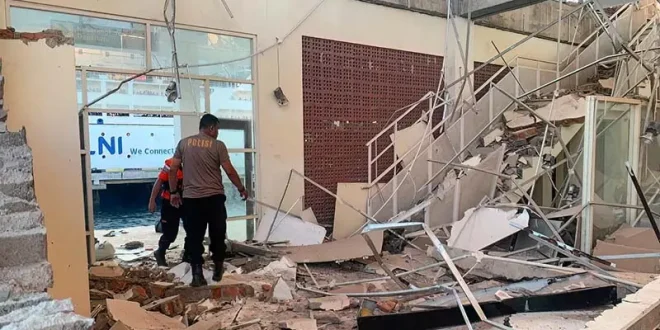
A powerful 7.7-magnitude earthquake recently struck off Indonesia’s eastern Flores Island, leaving a trail of destruction and a rising human toll. As rescue operations persist amidst challenging conditions, the confirmed death toll has tragically climbed to 47, with at least 50 individuals reported injured. The National Disaster Management Agency (BNPB) has documented extensive damage, noting nearly 160 homes, multiple educational and health facilities, and other critical public buildings impacted across the popular tourist region. Early reports indicated that some residents were trapped within collapsed structures, making the immediate focus on search and rescue missions. The intense tremor, felt vividly more than 100 kilometers from its offshore epicenter, initially triggered fears of a tsunami, with locals observing the sea receding and waves reaching up to 1.6 meters in certain coastal zones. Although a formal tsunami warning was subsequently lifted, the initial panic underscored the deep-seated concern in a region historically prone to such events.
Indonesia’s Perilous Position: Living on the Pacific Ring of Fire
Indonesia, a vast archipelago nation comprising thousands of islands, is tragically one of Earth’s most seismically active regions. This inherent geological instability, starkly demonstrated by the recent Flores Island earthquake, is due to its location on the “Pacific Ring of Fire.” This horseshoe-shaped belt encircling the Pacific Ocean is a hotspot of frequent earthquakes and volcanic eruptions, a result of the dynamic interaction and collision of several major tectonic plates: the Pacific, Eurasian, Indo-Australian, and Philippine Sea plates. The immense pressure that builds up as these colossal plates grind against each other is periodically released in powerful seismic events, causing the ground to shake with devastating force.
This perpetual geological threat means Indonesia is in a constant state of vulnerability to natural disasters. The nation carries a long and somber history of catastrophic earthquakes and tsunamis. Flores itself experienced a 7.7-magnitude earthquake in 1992, which tragically spawned a tsunami responsible for approximately 2,500 fatalities. The memory of the 2004 9.1-magnitude Sumatra earthquake remains particularly vivid, as it unleashed a monumental tsunami that claimed an estimated 220,000 lives across the Indian Ocean basin, with a staggering 170,000 deaths occurring within Indonesia. These historical events are not just statistics; they are poignant reminders of the raw power of nature and the continuous imperative for robust disaster preparedness, resilient infrastructure, and effective early warning systems across the Indonesian archipelago.
International Solidarity: Pakistan Extends Condolences and Aid
In the aftermath of the devastating Indonesia earthquake, a wave of international solidarity and offers of support has rapidly emerged. Among the nations extending their sympathies and assistance is Pakistan, which expressed profound sorrow and readiness to help its “brotherly” nation. President Asif Ali Zardari conveyed deep grief over the tragic loss of life, offering heartfelt condolences and reaffirming solidarity with the Indonesian government and its people during this difficult period. He emphasized Pakistan’s commitment to extend all possible assistance to support recovery efforts.
Echoing these sentiments, Prime Minister Shehbaz Sharif articulated his deep sadness regarding the destruction and human toll caused by the earthquake. He extended his sincere condolences to Indonesian President Prabowo Subianto and the affected families, highlighting Pakistan’s pledge to stand “shoulder to shoulder” with Indonesia. This gesture underscores the strong diplomatic and humanitarian bonds shared between the two countries. Such immediate offers of support from international partners are critically important, not only for providing material aid but also for bolstering search and rescue operations and facilitating the swift delivery of essential humanitarian supplies to the impacted communities on Flores Island.
Analysis: Challenges, Resilience, and the Road Ahead for Flores
The recent 7.7 magnitude Flores Island earthquake is more than just a tragic event; it serves as a stark reminder of the enduring vulnerabilities faced by communities in seismically active zones and the complex challenges inherent in disaster response and long-term recovery. The harrowing accounts from survivors, describing the earth shaking “like we were on a trampoline,” paint a vivid picture of the sheer terror and psychological trauma that will undoubtedly linger long after the tremors cease.
Immediate Response and Obstacles:
- Complex Rescue Operations: The priority of locating individuals trapped under rubble is compounded by the rugged terrain of Flores. Landslides, often triggered by major quakes, can sever critical access roads, severely impeding the swift deployment of aid and rescue teams. Furthermore, disruptions to electricity and telecommunications hamper coordination and communication, illustrating the vital need for robust, decentralized emergency infrastructure.
- Aftershock Risks: The dozens of aftershocks, some reaching a significant magnitude of 6.1, forced many residents to remain outside their damaged homes, prolonging their anxiety and vulnerability. Authorities’ crucial warnings against re-entering compromised buildings highlight the ongoing danger and the necessity for continued caution and structural assessments.
- Tsunami Preparedness: Although the official tsunami warning was lifted, the observed sea retreat and subsequent waves underscore the ever-present threat. Indonesia’s tragic past with tsunamis has instilled a deep sense of awareness, prompting residents to react proactively to potential signs. This highlights the indispensable role of both sophisticated early warning systems and well-educated, responsive communities in mitigating potential secondary disasters.
Long-Term Vulnerabilities and Resilience:
Despite significant advancements in disaster management since the devastating 2004 tsunami, the Flores earthquake illuminates persistent vulnerabilities. The extensive damage to numerous homes and public facilities suggests that local building codes and construction practices may still fall short of fully withstanding powerful seismic activity, particularly in areas characterized by traditional, low-rise structures. Investing in more resilient construction techniques and enforcing stringent building standards are critical long-term strategies that could dramatically reduce future casualties and infrastructure losses.
The prompt action by the Indonesian National Disaster Management Agency (BNPB), including the rapid dispatch of aid packages, alongside international offers of assistance from organizations like the Red Cross and the European Union (leveraging Copernicus Earth observation satellites), and nations such as Pakistan, demonstrates a well-coordinated humanitarian framework. Such international collaboration provides not only essential material aid but also crucial technological support for damage assessment and relief coordination. However, given Indonesia’s recurring exposure to major disasters, sustained international partnerships are vital for both immediate humanitarian relief and comprehensive, long-term recovery and reconstruction efforts.
In conclusion, the Flores Island earthquake serves as a poignant reminder of Indonesia’s perpetual challenge of coexisting with formidable natural forces. While the indomitable human spirit and global solidarity shine brightly in the face of adversity, this incident powerfully reiterates the urgent necessity for continuous investment in disaster risk reduction, the development of resilient infrastructure, the enhancement of comprehensive early warning systems, and robust community preparedness programs. For the people of Flores, the journey to recovery will undoubtedly be arduous, but their inherent resilience, coupled with unwavering national and international support, will be paramount in rebuilding their lives and fostering a more secure future.
“`
