Dost Pakistan Journeys Tours and safaris in the North & South Pakistsn
Related Articles

“`html
Who Ultimately Bears the Cost of Higher Petroleum Dealer Margins in Pakistan?
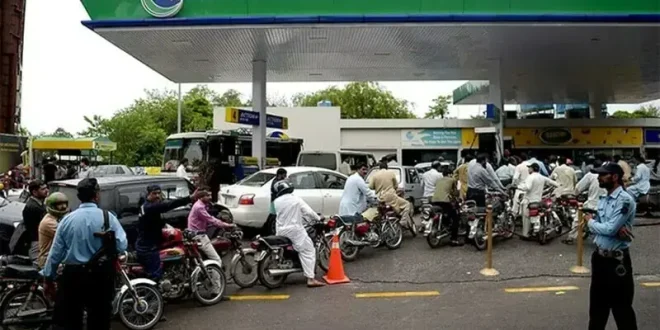
The federal government’s recent decision to increase the commission paid to petroleum dealers by Rs1.34 per litre has ignited a fresh debate over fuel pricing, consumer burden, and the government’s policy priorities in Pakistan. While seemingly a minor adjustment on a per-litre basis, this move carries substantial economic implications that extend far beyond the petrol pump, ultimately impacting the wallets of millions of Pakistanis already grappling with soaring inflation and the highest fuel prices in years.
The News: A Margin Hike Amidst Economic Headwinds
In a significant development, the government accepted a long-standing demand from petroleum dealers, raising their margin to Rs9.98 from Rs8.64 per litre. This increase, announced on August 14th following threats of a nationwide strike by the Pakistan Petroleum Dealers Association (PPDA), directly translates to a higher retail price for both petrol and diesel. For consumers already facing the pinch of global energy price volatility exacerbated by geopolitical tensions, this additional cost is a palpable blow.
The timing of the decision has also drawn scrutiny. It came shortly after the government had already provided relief to dealers by reducing their discount rate on debit card transactions by approximately 70 percent, a measure that significantly lowered their operating costs. This suggests a pattern of concessions to the petroleum sector, even as other crucial sectors, like goods transporters, have seen their strike demands unmet.
Background: Understanding Pakistan’s Complex Fuel Pricing Structure
To grasp the full weight of this margin increase, it’s essential to understand how fuel prices are determined in Pakistan. The retail price of every litre of petrol and diesel is a composite of several components, not just the international crude oil price. These include:
- Ex-refinery price: The cost of refined product.
- Oil Marketing Companies (OMCs) margin: Commission for OMCs.
- Petroleum Dealers’ Margin: The commission paid to petrol pump owners.
- Inland Freight Equalisation Margin (IFEM): A charge to maintain uniform prices across the country.
- Petroleum Levy (PL): A direct tax imposed by the government, a major source of revenue.
- Customs Duty and Sales Tax: Additional government taxes.
- Climate Support Levy: A newer charge aimed at environmental initiatives.
The dealer margin, now fixed at Rs9.98 per litre, stands as one of the largest fixed components. Unlike taxes and levies that might fluctuate or be adjusted by government policy, this fixed payment is incurred on every single litre sold, regardless of the overall fuel price trend. This persistent nature ensures a stable income stream for dealers, but it also means consumers perpetually bear this cost.
The PPDA had been pressing for this increase for three years, and their recent strike threat proved effective. While they secured the margin hike and relief on digital transaction charges, their principal demand for shifting from daily to monthly or quarterly price adjustments was not met. Nevertheless, the swift government response underscores the influential position of the petroleum dealer lobby in national policy-making, a factor often linked to the involvement of influential business and political figures in pump ownership.
Impact on Pakistan: A Multi-Billion Rupee Burden and Ripple Effects
The Rs1.34 per litre increase might appear modest in isolation, but when scaled across Pakistan’s immense fuel consumption, the financial implications are staggering. Based on average monthly consumption:
- Petrol: Approximately 926.64 million litres/month will translate to an additional Rs1.24 billion per month, or nearly Rs15 billion annually, for consumers.
- High-Speed Diesel: Around 714 million litres/month will add another Rs957 million per month, or nearly Rs11.5 billion annually.
Combined, Pakistani consumers are now saddled with an extra burden of roughly Rs2.2 billion every month, totaling over Rs26 billion annually, assuming consumption levels remain constant. This is not a one-off tax; it’s a recurring, embedded cost in the essential commodity of fuel.
Wider Economic Ramifications: The Inflationary Cascade
The impact of higher fuel prices in a developing economy like Pakistan extends far beyond individual motorists. Fuel is a fundamental input cost for nearly every sector:
- Transport & Logistics: Freight operators and public transport providers will inevitably pass on their increased costs. This means higher fares for commuters and elevated prices for goods transported across the country.
- Food Prices: Vegetables, fruits, dairy, and other perishable goods, heavily reliant on road transport, will see their prices rise, directly impacting household budgets.
- Manufacturing & Agriculture: Businesses across manufacturing, agriculture, and services will face higher operational costs, which they typically transfer to the end consumer through increased product prices.
- Overall Inflation: The cumulative effect of these increases will fuel an already high inflationary environment, further eroding purchasing power and exacerbating the cost-of-living crisis for ordinary citizens.
Essentially, every essential item, from daily groceries and medicines to construction materials, becomes more expensive, trapping households and small businesses in a cycle of rising expenditures.
Analysis: A Policy Choice with Enduring Consequences
The government’s decision to increase petroleum dealer margins represents a critical policy choice that reveals its priorities and challenges. While averting a nationwide fuel strike was an immediate pragmatic goal, the long-term ramifications for economic stability and public trust are substantial.
Balancing Act: The government faced pressure from an influential lobby. However, conceding to such demands at a time of extreme economic fragility raises questions about the government’s commitment to protecting the average consumer. The stark contrast with the handling of the goods transporters’ strike highlights a perceived disparity in leverage and influence among various industry groups.
Sustainability of Fixed Margins: The PPDA’s continued push to link their margin to a percentage of the retail price (e.g., 8%) instead of a fixed amount per litre is a significant point of concern. If accepted, this would mean dealer earnings would automatically increase every time fuel prices rise, irrespective of their operating costs, creating an embedded incentive for higher fuel prices and a perpetual burden on consumers.
Transparency and Accountability: The opacity surrounding fuel pricing components and the negotiation processes between the government and industry stakeholders often leaves the public feeling disempowered. Greater transparency regarding cost breakdowns and the rationale behind such increases is crucial for fostering public confidence.
Ultimately, the cost of higher petroleum dealer margins, while ostensibly benefiting a specific sector, is distributed inequitably across the entire population. It’s an added strain on motorists, a hidden tax on every consumer through inflated prices of goods and services, and a significant contributor to Pakistan’s persistent inflationary woes. This policy choice, while seemingly averting a short-term crisis, risks deepening the economic challenges for the vast majority of Pakistanis, reinforcing the notion that the most vulnerable often bear the heaviest burdens of such decisions.
“`