 Dost Pakistan Journeys Tours and safaris in the North & South Pakistsn
“`html
India’s Temple Stampede Tragedy: A Recurring Nightmare and Regional Lessons
The News: A Tragic Event in Bihar
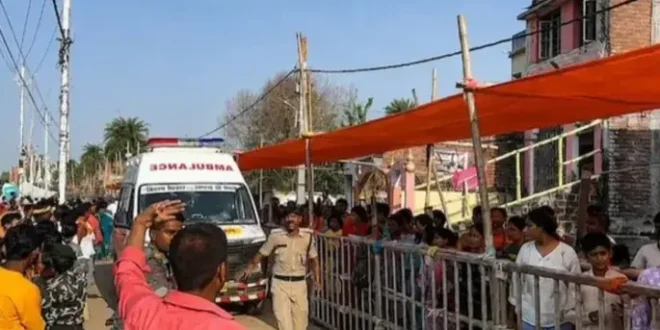
A recent tragedy unfolded at the Ashok Dham temple in India’s eastern Bihar state, where a stampede during a massive gathering to honour the Hindu deity Shiva claimed the lives of at least seven individuals and left 19 injured. The incident was reportedly triggered by widespread rumours of an electric pole collapsing amidst the crowd. Bihar’s Chief Minister, Samrat Choudhary, expressed his condolences and announced a compensation package for the victims’ families, calling the event “heart-wrenching.” This regrettable occurrence adds to a worrying pattern of fatal crowd disasters at religious sites and public events across India.
Background: A Culture of Mass Gatherings and Managing the Unmanageable
The stampede in Bihar is not an isolated incident but rather a grim reminder of a persistent challenge India faces: managing immense crowds at religious festivals and public gatherings. With a population exceeding 1.4 billion and a deeply ingrained culture of communal religious observance, millions frequently congregate at temples, pilgrimage sites, and public rallies. These gatherings, often infused with intense devotion and emotional fervour, pose significant logistical and safety hurdles.
Historical data indicates a clear trend of deadly stampedes, primarily attributed to systemic failures in crowd management. Factors contributing to these catastrophes often include:
- Inadequate Infrastructure: Many ancient religious sites were not designed to accommodate modern-day crowd volumes, leading to narrow entry/exit points, insufficient barricading, and a lack of clear pathways for emergency services.
- Poor Planning and Coordination: Oversight can range from a lack of detailed risk assessments to insufficient deployment of security personnel, medical staff, and volunteers.
- Communication Breakdown: The rapid spread of misinformation or rumours, as seen in the Bihar incident, can quickly turn an orderly crowd into a chaotic stampede.
- Enforcement Lapses: Even where guidelines exist, their inconsistent or weak enforcement can undermine safety measures.
Previous incidents, such as the fatal crush at a temple in Andhra Pradesh last year, the 36 deaths at a political rally in Tamil Nadu, and the devastating 2024 religious sermon tragedy in Uttar Pradesh that killed 120, underscore the urgent need for comprehensive reforms in public safety protocols.
Impact on Pakistan: Shared Challenges and Lessons Learned
While geographically distinct, the recurring stampede tragedies in India carry significant regional implications, particularly for neighbouring countries like Pakistan. Both nations share a similar socio-cultural fabric, characterized by large populations, fervent religious devotion, and frequent mass gatherings for various festivals, pilgrimages (such as Urs at Sufi shrines), and political rallies.
Pakistan, too, has experienced its share of crowd management incidents, albeit on a different scale, highlighting that the challenges are not unique to India but represent a broader regional vulnerability. The lessons from incidents like the Bihar temple stampede offer crucial insights:
- Shared Need for Enhanced Crowd Management: The imperative for robust crowd control strategies, emergency preparedness, and adequate infrastructure is a universal need across the subcontinent. Pakistan can analyze these incidents to proactively review and strengthen its own safety measures for events like Muharram processions, Eid congregations, and other large public assemblies.
- Emphasis on Prevention: The tragic outcomes underscore the importance of investing in preventative measures, including advanced surveillance, real-time crowd monitoring, and effective public announcement systems, rather than solely reacting to disasters.
- Cross-Border Learning: Despite political differences, there is a humanitarian impetus for shared learning in disaster management. Best practices in planning, risk assessment, and emergency response developed in one country can inform and benefit others facing similar challenges.
The human cost of such tragedies transcends national borders, reminding policymakers in Pakistan of their responsibility to continuously evaluate and improve public safety protocols for their own citizens.
Analysis: Systemic Failures and the Path Forward for Public Safety
The Bihar stampede, triggered by a rumour, vividly illustrates how quickly a seemingly minor disturbance can escalate into a deadly crush in dense crowds. This points to deeper systemic issues that go beyond immediate triggers:
The Pervasive Issue of Inadequate Preparedness:
- Lack of Holistic Planning: Many event organizers, often local administrative bodies or religious trusts, lack the expertise or resources for comprehensive crowd flow analysis, emergency exit planning, and medical aid station setup.
- Insufficient Training: Personnel responsible for crowd control, from police to volunteers, may not receive adequate training in de-escalation techniques, emergency response, and efficient communication.
- Technological Lag: While some modern venues utilize CCTV and digital crowd analytics, many traditional pilgrimage sites lag in adopting such technologies that can monitor crowd density and identify potential choke points in real-time.
Addressing the Challenge: A Multi-faceted Approach
Preventing future tragedies requires a concerted, multi-faceted approach involving government bodies, religious institutions, and local communities:
- Mandatory Safety Audits and Certification: All large public gathering venues, especially religious sites, should undergo regular, stringent safety audits and be required to obtain certification for crowd capacity and emergency preparedness.
- Investment in Smart Crowd Management Technologies: Implementing CCTV networks, AI-powered crowd analytics, drone surveillance, and effective public address systems can significantly enhance real-time monitoring and communication during events.
- Integrated Emergency Response Plans: Developing and regularly rehearsing comprehensive plans that clearly define roles for police, medical services, fire brigades, and volunteers, ensuring seamless coordination during an emergency.
- Infrastructure Upgrades: Modernizing existing infrastructure at high-footfall sites, including widening pathways, creating dedicated entry/exit gates, robust barricading, and clear signposting for emergency routes.
- Public Awareness Campaigns: Educating the public on safety protocols, emergency procedures, and the dangers of spreading rumours in crowded spaces can empower individuals to contribute to their own safety.
- Dedicated Event Management Bodies: Establishing specialized government or quasi-government bodies focused solely on regulating and assisting in the safe execution of large public and religious events, providing expertise and resources.
The recurring nature of these stampedes in India highlights a critical gap between fervent public participation and the infrastructure and management capabilities to ensure safety. The Bihar tragedy serves as yet another stark reminder that religious devotion must always be complemented by meticulous planning and robust safety measures to prevent celebration from turning into catastrophe.
“`
