Dost Pakistan Journeys Tours and safaris in the North & South Pakistsn

Related Articles
“`html
Pakistan’s Fuel Price Hike: Navigating Geopolitical Storms and Economic Realities
The Latest Fuel Price Hike in Pakistan
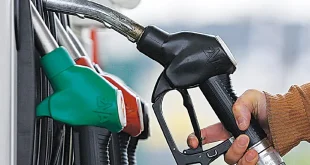
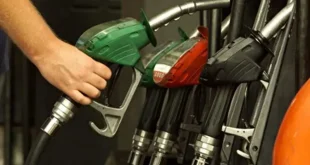
In a recent move, the Pakistani government announced a marginal but significant increase in the prices of petroleum products. Effective for August 26th and 27th, the price of petrol has been raised by Rs1.12 per litre, setting the new retail price at Rs343.10 per litre. Similarly, high-speed diesel (HSD) saw an increase of Rs1.11 per litre, now costing Rs371.80 per litre. These adjustments come under the nation’s new daily pricing mechanism, a response to an increasingly volatile global energy landscape.
While the increases appear modest on a daily basis, they reflect a broader trend of elevated fuel costs driven by international market dynamics. Notably, the government continues to impose substantial taxes and duties: Rs114 per litre on petrol and Rs100 per litre on diesel, which constitute a significant portion of the final retail price.
Background: Geopolitical Tensions and Energy Volatility in 2026
The current state of Pakistan’s fuel prices cannot be understood without acknowledging the profound impact of global geopolitical events, specifically the US-Iran conflict that erupted on February 28, 2026. This renewed hostility in the Persian Gulf region triggered an immediate and drastic surge in international oil prices, reverberating across the globe, including Pakistan.
- Strait of Hormuz Crisis: The conflict heavily impacted oil shipments through the Strait of Hormuz, a critical choke point for global crude supply. This led to a significant supply shock and speculative trading, pushing prices to unprecedented levels.
- Historic Peaks: As illustrated by the official data, petrol prices soared from a pre-crisis baseline of Rs266.17 per litre in late February to an all-time high of Rs458.41 per litre by April 3, 2026. High-speed diesel followed a similar trajectory, skyrocketing from Rs280.86 to a peak of Rs520.35 per litre during the same period.
- Policy Response: Initially, the government implemented weekly price revisions, alongside measures aimed at fuel conservation and mitigating potential supply disruptions. Recognising the persistent volatility, Petroleum Minister Ali Pervaiz Malik announced a pivotal shift to a daily fuel pricing mechanism in July 2026. This mandate entrusted the Oil and Gas Regulatory Authority (OGRA) with the responsibility of adjusting prices daily, in direct correlation with international market trends, providing greater flexibility but also exposing consumers to more frequent changes.
While prices have receded from their April peaks, they remain substantially higher than pre-crisis levels, indicating a ‘new normal’ influenced by the enduring geopolitical instability.
Impact on Pakistan: Economic Pressures and Household Burden
Fuel price adjustments in Pakistan carry far-reaching consequences for various segments of society and the broader economy:
- Inflationary Spiral: As a fundamental input cost for almost all goods and services, increases in petrol and diesel prices directly fuel inflation. Transportation costs for raw materials, finished products, and passenger movement inevitably rise, translating into higher consumer prices across the board. This disproportionately affects low and middle-income households, eroding their purchasing power.
- Burden on Households:
- Petrol (MS-92): Primarily used by private vehicles, motorcycles, rickshaws, and small commercial transport. Its price hike directly impacts the daily commuting costs for millions of individuals and small business operators.
- High-Speed Diesel (HSD): The lifeblood of Pakistan’s heavy transport sector, including trucks, buses, and railway freight. It is also crucial for power generation in many industrial units and remote areas relying on large generators. Consequently, rising HSD prices lead to increased public transport fares, higher logistics costs for industries, and potentially more expensive electricity.
- Economic Stability: Persistent high fuel prices strain the national economy. Pakistan, being a net importer of crude oil, faces a larger import bill, exacerbating the current account deficit. The government’s reliance on high taxes and duties on petroleum products, while crucial for revenue generation, also limits its ability to provide widespread relief without impacting fiscal targets.
- Business Operational Costs: From manufacturing to agriculture, businesses reliant on transportation and energy face escalating operational costs. This can lead to reduced profitability, slower economic growth, and potentially job losses as companies seek to cut expenditures.
Analysis: A Balancing Act in a Turbid Global Environment
Pakistan’s energy policy is currently a delicate balancing act. The transition to a daily pricing mechanism, though exposing consumers to frequent fluctuations, is a pragmatic step to ensure domestic prices align more closely with international benchmarks. This approach helps the government avoid accumulating massive subsidies, a practice that historically has crippled national finances and led to severe economic crises. However, it also means that the direct impact of global oil market volatility is immediately felt by the populace.
The core challenge for policymakers lies in mitigating these imported inflationary pressures while maintaining fiscal responsibility. The significant portion of the retail price accounted for by government taxes (Rs114/litre on petrol, Rs100/litre on diesel) highlights the government’s dual role: taxing fuel for revenue and managing its affordability for citizens. These high levies mean that even small international price increases are amplified for the end-consumer.
Looking ahead, as long as geopolitical tensions persist in the Middle East and concerns over supply disruptions through vital waterways like the Strait of Hormuz remain, Pakistan is likely to contend with elevated and volatile fuel prices. The current prices, while lower than the crisis peak, are substantially above the pre-conflict baseline. This suggests a shift in the long-term energy cost structure.
For Pakistan, this situation underscores the urgent need for a diversified energy mix, promoting renewable energy sources, and improving energy efficiency across all sectors. While immediate relief measures may offer temporary respite, a sustainable strategy requires reducing dependence on imported fossil fuels to shield the economy and its citizens from the vagaries of international markets and geopolitical strife. Until then, every slight upward tick in global crude prices will continue to translate into a heavier burden on the average Pakistani household and a continued challenge for national economic stability.
Disclaimer: This analysis is based on the provided news summary and embedded data, which references events and dates in 2026. The geopolitical context of a US-Iran war and Strait of Hormuz crisis in 2026 is specific to the provided fictional scenario.
“`