Dost Pakistan Journeys Tours and safaris in the North & South Pakistsn
Related Articles


“`html
Pakistan Police Custody Deaths: Forensic Findings and Lingering Questions on Accountability
The News
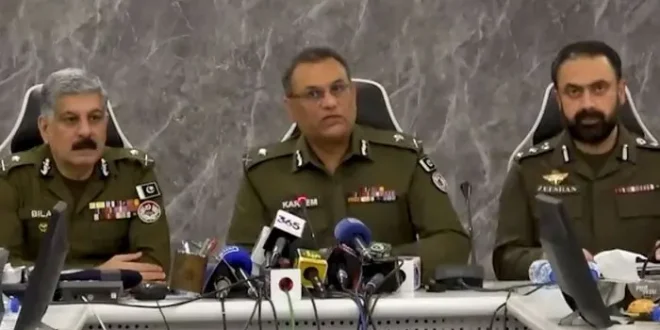
In a recent development from Lahore, Punjab Inspector General of Police (IGP) Abdul Kareem addressed the tragic deaths of two young women in Township police custody. The IGP revealed that a forensic report, compiled by a medical board, confirmed both women were regular users of addictive drugs, identifying nine types of intoxicating substances in their systems. The report attributed their demise to cardiopulmonary arrest, a sudden cessation of heart and breathing functions. While acknowledging the “unusual” nature of simultaneous deaths, the IGP’s statement firmly linked their passing to the severe impact of substance abuse during their interrogation.
During the same press conference, the IGP also provided updates on other high-profile cases, including the Hina Javed murder investigation in Rawalpindi, where two suspects have been arrested for the torture and murder of the victim, and the pursuit of shooters involved in the murder of PTI ticket-holder Abdullah Tahir in Okara.
Background: A Shadow of Doubt Over Custodial Care
The deaths in Township police custody, while medically explained by the forensic report, cast a familiar shadow over the delicate issue of human rights and accountability within Pakistan’s law enforcement agencies. Pakistan has a long and troubled history concerning custodial deaths and allegations of police brutality. Numerous reports from national and international human rights organizations have highlighted systemic issues, including a lack of proper training for officers, inadequate facilities, and a culture where alleged torture and neglect in police lock-ups sometimes go unchecked.
Furthermore, the context of drug addiction is crucial here. Pakistan grapples with a significant drug abuse problem, affecting millions, often from vulnerable and marginalized communities. Individuals struggling with addiction frequently face stigmatization and are disproportionately affected by the justice system. When such individuals are taken into police custody, their pre-existing health conditions, particularly those related to substance withdrawal or overdose, require specialized attention and medical protocols that are often lacking in standard police procedures. The police, by law, have a duty of care towards all detainees, ensuring their safety, health, and well-being while in custody, irrespective of the alleged crime or personal circumstances.
Impact on Pakistan: Eroding Public Trust and Demanding Reform
Incidents like the Township custody deaths, even with a forensic explanation, invariably have a profound impact on public trust in law enforcement. When individuals die while under state care, it raises fundamental questions about the protection of citizens’ rights and the integrity of the justice system. For a populace already wary of police conduct, such events deepen cynicism and fuel perceptions of impunity.
The tragedy also highlights the particular vulnerability of marginalized groups, such as drug users, within the carceral system. It underscores the urgent need for a more humane and medically informed approach to handling detainees with known health challenges or substance abuse issues. Without adequate safeguards and transparent investigations, these incidents can exacerbate social divisions and lead to calls for widespread police reform, demanding better training, improved custodial conditions, and robust mechanisms for accountability.
Internationally, such cases often draw scrutiny from human rights watchdogs, potentially impacting Pakistan’s image and its commitments to international human rights conventions. The overall impact thus extends beyond individual lives, affecting the social fabric and Pakistan’s standing on the global stage.
Analysis: Beyond the Forensic Report – The Unanswered Questions
The forensic report, citing cardiopulmonary arrest due to the use of nine intoxicating substances, provides a medical cause of death for the two women. While medically definitive, this finding should be viewed as a starting point for inquiry, not its conclusion. The critical analysis must delve into the circumstances surrounding their deaths during interrogation in police custody.
Several vital questions remain largely unanswered:
- Duty of Care: What protocols were followed upon their arrest? Were the women medically assessed, given their apparent history of substance abuse? Was their condition, or potential for withdrawal, noted and acted upon?
- Medical Negligence or Omission: Even if their deaths were ultimately due to substance abuse, could timely medical intervention or a more careful approach during interrogation have prevented their demise? Were they denied necessary medical attention when their condition deteriorated?
- Interrogation Environment: Could the stress, lack of sleep, or any physical discomfort associated with the interrogation process have exacerbated their pre-existing health vulnerabilities, leading to a fatal outcome?
- The “Unusual” Coincidence: The IGP himself acknowledged the simultaneous deaths as “unusual.” While not impossible, two individuals dying of similar causes at the same time in custody warrants a more rigorous examination beyond merely stating substance abuse. What were the specific conditions they shared?
- Transparency and Independent Inquiry: While the police have presented a forensic report, relying solely on an internal investigation or police-led statements often falls short of building public trust. A truly independent judicial inquiry, with public proceedings and civilian oversight, is crucial to ascertain all contributing factors and ensure accountability.
The tragic deaths of these women highlight a systemic challenge: how law enforcement handles individuals with complex health issues, particularly drug addiction. It underscores the urgent need for police to implement clear, humane, and medically informed protocols for all detainees. This includes ensuring immediate access to medical care, training officers to identify signs of distress or withdrawal, and fostering an environment where human dignity and rights are paramount, even during criminal investigations.
While the IGP also presented updates on other serious criminal cases, demonstrating the police’s efforts in combating crime, custodial deaths demand a separate and heightened level of scrutiny. The ultimate measure of a justice system lies not just in its ability to apprehend criminals, but also in its unwavering commitment to protecting the rights and ensuring the safety of all individuals, especially those in its custody. For Pakistan, these recent deaths serve as a stark reminder that the journey towards a truly accountable and rights-respecting police force is far from over.
“`