Dost Pakistan Journeys Tours and safaris in the North & South Pakistsn
Related Articles

“`html
Pakistan’s Resilient Comeback: A New Dawn for Green Shirts in FIFA ASEAN Cup
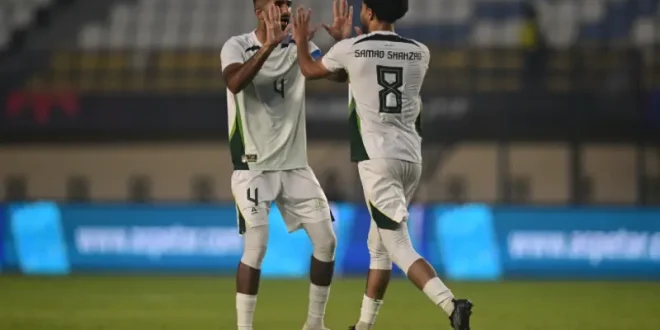
In a display of sheer grit and burgeoning potential, the Pakistan national football team, affectionately known as the Green Shirts, staged a dramatic fightback to secure a 2-2 draw against the Philippines in their second FIFA ASEAN Cup Group B fixture. Trailing by two goals, Pakistan’s resilience shone through, earning them their first points and goals in a major FIFA competition – a significant milestone that promises to inject new life into the nation’s footballing aspirations.
The News: A Historic Draw Against the Odds
The highly anticipated encounter at Si Jalak Harupat Stadium saw Pakistan, ranked 198th globally, face a significantly higher-ranked Philippines side (135th-136th). After a challenging 4-0 opening defeat to Thailand, expectations for Nolberto Solano’s men were tempered. However, what unfolded was a testament to their growing spirit.
The first half proved difficult, with the Philippines dominating possession and creating several chances. A scrappy goal from Sandro Reyes in the 24th minute, followed by a Bjørn Kristensen penalty in the 32nd minute after a handball, put Pakistan in a precarious 2-0 deficit. Despite some crucial saves from goalkeeper Yousuf Butt and vital blocks from defenders like Mohibullah Afridi, Pakistan went into the break staring down another heavy defeat.
The turning point arrived with two tactical changes at halftime, which immediately paid dividends. Just two minutes into the second half, Ali Akbar Khan netted his maiden international goal, weaving past a defender and slotting the ball home. The equaliser came on the hour mark when Abdul Samad Arshad, demonstrating sharp attacking prowess, drove into the box and fired past the helpless Philippine goalkeeper. Pakistan continued to press for a winner, even introducing two debutants, Abdul Rehman and Abdul Samad Khan, but the match ultimately concluded in a hard-fought 2-2 stalemate, keeping their FIFA ASEAN Cup campaign alive.
Background: A Nation’s Struggle and a Coach’s Vision
For decades, Pakistan football has languished in the lower echelons of international rankings, often grappling with systemic issues, lack of infrastructure, and inconsistent financial support. Cricket remains the undisputed king of sports in the nation, overshadowing football’s potential. This historical context makes any positive result on the international stage, especially in a FIFA-affiliated tournament like the ASEAN Cup (a significant regional competition for football development and qualification), profoundly impactful.
The appointment of former Premier League star and Peruvian international Nolberto Solano as head coach brought a wave of optimism and professionalism to the Green Shirts. Solano, with his vast experience at the highest level, has been tasked with rebuilding the national team, instilling discipline, tactical awareness, and a winning mentality. His tenure has focused on identifying talent, improving fitness, and fostering resilience – qualities that were vividly on display against the Philippines.
Facing the Philippines, a nation that has seen considerable investment and improvement in its football program over recent years, presented a significant challenge. The 60-plus ranking difference underscored the uphill battle Pakistan faced, making their comeback not merely a good result but a landmark achievement against a well-drilled opponent.
Impact on Pakistan: A Morale Boost and Future Promise
The 2-2 draw against the Philippines delivers a crucial psychological boost for Pakistan football on multiple fronts:
- Breaking the Duck: Earning their first points and scoring their first goals in a FIFA competition is a historic moment that transcends the scoreline. It signifies that Pakistan can compete and achieve tangible results on the international stage.
- Validation for Solano: The come-from-behind draw validates Coach Solano’s strategic vision and tactical adjustments. His half-time changes were instrumental, demonstrating his ability to influence games and get the best out of his squad.
- Player Development and Confidence: For young players like Ali Akbar Khan, scoring a maiden international goal in such a high-stakes match will be invaluable for their confidence and development. The entire squad will draw immense belief from overcoming a two-goal deficit against a superior-ranked opponent.
- Increased Fan Engagement: Such heroic performances have the power to captivate a nation and draw more attention to football. In a cricket-dominated landscape, a thrilling comeback could inspire more local support, interest, and even participation in the sport.
- Enhanced Reputation: This result sends a clear message to other Asian teams that Pakistan is not to be underestimated. It might contribute to a gradual improvement in their global ranking and attract potential investment in domestic football infrastructure.
Analysis: Tactical Resilience Meets Gritty Determination
The match against the Philippines offered a fascinating insight into the evolving strategy and character of the Pakistan national football team under Solano.
First-Half Struggles and Defensive Lessons: Pakistan’s initial struggles highlighted areas for improvement, particularly in dealing with sustained pressure and avoiding individual errors. The first goal, a rebound from a goal-line scramble, and the penalty conceded by Mohammad Fazal, underscore the fine margins at this level. However, goalkeeper Yousuf Butt’s crucial saves and Mohibullah Afridi’s courageous defensive blocks prevented the scoreline from worsening, keeping Pakistan in the contest.
Solano’s Masterclass Substitutions: The half-time interval proved pivotal. Solano’s introduction of Ali Agha and Hayyan Khattak for Alamgir Ghazi and Umar Nawaz immediately injected pace and creativity into Pakistan’s attack. The swiftness with which Ali Akbar Khan scored just two minutes into the second half demonstrates the immediate impact of these tactical adjustments and the players’ ability to execute the coach’s plan.
Mental Fortitude and Never-Say-Die Attitude: The most striking aspect of Pakistan’s performance was their psychological strength. Coming back from 0-2 down, especially after a heavy defeat in the previous game, speaks volumes about the team’s growing mental toughness. This resilience is a fundamental building block for any successful team and suggests Solano has successfully instilled a strong fighting spirit within the squad.
Emerging Attacking Talent: The goals from Ali Akbar Khan and Abdul Samad Arshad highlighted the individual brilliance and improved attacking cohesion within the team. Ali Akbar’s decisive finish showcased composure, while Arshad’s drive and powerful shot demonstrated the quality that Pakistan possesses upfront. The Green Shirts even continued to attack for a winner, showing ambition beyond merely salvaging a draw.
Looking ahead, this result keeps Pakistan’s FIFA ASEAN Cup hopes mathematically alive, setting up a crucial final fixture against Vietnam. While one draw does not signify an overnight transformation, it is undeniably a significant step forward. It provides a foundation of confidence and belief upon which Solano and his team can continue to build. For a nation craving footballing success, this resilient comeback might just be the spark needed to ignite a brighter future for the Green Shirts on the international stage.
“`