Dost Pakistan Journeys Tours and safaris in the North & South Pakistsn
Related Articles

“`html
Murree School Van Fire: A Stark Reminder of Pakistan’s Urgent Child Safety Crisis
The recent tragic incident in Murree, where a school van carrying children veered off the road and erupted in flames, serves as a harrowing spotlight on the persistent and often fatal safety lapses plaguing Pakistan’s school transportation system. With 12 individuals, including 10 young schoolchildren, sustaining injuries – some severe burns – the event has rightly triggered widespread concern and a demand for immediate action from authorities.
The Murree Incident: A Snapshot of Negligence
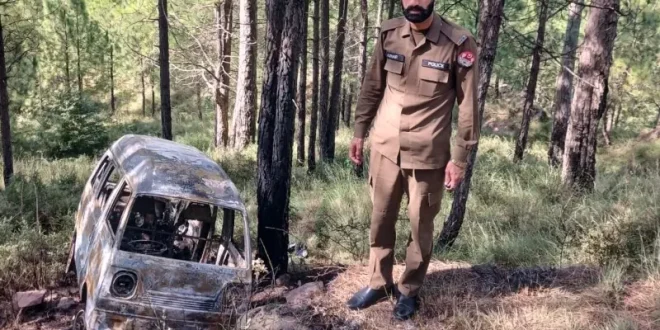
On a seemingly ordinary Tuesday, near Murree’s Bara Hotar Link Road, a Suzuki Bolan packed with schoolchildren veered violently off course before catching fire. The quick response from police and Rescue 1122 teams was crucial in evacuating the children, aged between five and 14, and two adults, to the Tehsil Headquarters Hospital. However, the extent of injuries, particularly the severe burns suffered by three children (one with 42% body burns), underscores the extreme danger faced.
While the precise cause of the fire is still under investigation, Punjab Chief Minister Maryam Nawaz’s swift directive for a report, coupled with her immediate identification of “vehicle overloading and lack of adequate fire safety measures,” points to long-standing systemic issues. This incident, tragically, is not an isolated one but rather the latest in a series of alarming events highlighting the precarious state of school van safety in Pakistan.
Background: A Pattern of Perilous School Journeys
The Murree tragedy is far from unique. Pakistan has witnessed numerous incidents involving school transport, painting a grim picture of inadequate safety standards and regulatory oversight. Just earlier this year, eight students were injured when a school van caught fire on Karachi’s Shah Faisal Colony flyover. February saw a schoolgirl killed and six others injured in Okara when their van was hit by a dumper, while a family van fire in March claimed the lives of two teenage sisters in Karachi from burn wounds.
Why do these incidents keep happening?
- Overloading: A pervasive practice driven by the desire to maximize profits and cater to a larger number of students, often at the expense of safety. This was explicitly flagged by CM Maryam Nawaz.
- Unfit Vehicles: Many school vans are old, poorly maintained, and lack basic safety features like seatbelts, airbags, emergency exits, and crucially, functional fire extinguishers. Faulty wiring or fuel system leaks in aging vehicles are common culprits for fires.
- Lack of Maintenance: Economic pressures often lead operators to neglect regular vehicle inspections and maintenance, increasing the risk of mechanical failures.
- Untrained Drivers: Many drivers lack professional training in defensive driving, emergency procedures, or even basic first aid. Their primary focus often remains on quick trips and maximizing routes.
- Weak Regulatory Framework and Enforcement: While some regulations may exist on paper, their implementation and enforcement are critically weak. There’s a notable absence of standardized safety protocols for school transport vehicles and strict licensing requirements for operators.
- Economic Factors: For many parents, especially in lower and middle-income groups, cost is a primary determinant in choosing school transport. This unfortunately creates a market for cheaper, unregulated, and often unsafe options.
- Terrain Challenges: In regions like Murree, hilly and winding roads demand well-maintained vehicles and highly skilled drivers, conditions often unmet by existing school transport services.
Impact on Pakistan: Eroding Trust and Endangering Futures
The cumulative effect of such incidents creates a profound impact across Pakistani society:
- Erosion of Parental Trust: Each accident chips away at parents’ confidence in the safety of school transportation, causing immense anxiety every time their children leave for school.
- Physical and Psychological Trauma: The most immediate and devastating impact is on the injured children and their families. Burn injuries are particularly traumatic, requiring prolonged and costly medical care, and often leaving permanent physical and psychological scars.
- Public Safety Crisis: These recurring events highlight a broader failure in public safety mechanisms and regulatory bodies responsible for ensuring safe commutes, particularly for the most vulnerable demographic – children.
- Economic Strain: The medical costs, loss of schooling, and potential long-term disability place a significant financial burden on affected families and the national healthcare system.
- Reputational Damage: The recurring issues reflect poorly on Pakistan’s commitment to child welfare and road safety on an international platform.
- Demand for Systemic Change: The public outcry following each incident serves as a catalyst, albeit often temporary, for calls for government intervention and systemic reform.
Analysis: Time for Comprehensive Reform, Not Just Reaction
The Murree school van fire, like its predecessors, is a symptom of deeply rooted systemic issues rather than an isolated accident. The core problem lies in a combination of lax regulation, poor enforcement, economic pressures, and a lack of accountability across the board.
Relying solely on post-incident investigations and inquiries, while necessary, is insufficient. What’s urgently required is a proactive, multi-pronged approach to overhaul the entire school transportation sector:
- Enforceable Regulations & Standardisation: Develop and strictly enforce a comprehensive national policy for school transport. This must include mandatory vehicle fitness certificates, age limits for vehicles, capacity regulations, and a standardized list of safety features (seatbelts, emergency exits, fire extinguishers, first-aid kits).
- Strict Licensing & Training for Drivers: Implement rigorous background checks, professional driving licenses specific to school transport, and mandatory regular training in road safety, emergency response, and child protection.
- Regular Inspections & Maintenance: Establish a robust system for scheduled and unscheduled inspections of school vehicles by competent authorities. Schools and operators must be held accountable for maintaining their fleets.
- Public Awareness Campaigns: Educate parents about safety standards they should demand, and operators/drivers about their responsibilities. Empower parents to report non-compliant services.
- Technological Integration: Encourage or mandate the use of GPS tracking, speed limiters, and CCTV in school vans to monitor compliance and enhance security.
- Government Subsidies & Incentives: Explore ways to make safer transport options more affordable for schools and parents, potentially through subsidies for upgrading vehicles or providing government-regulated school bus services.
- Accountability & Penalties: Implement stringent penalties for non-compliance, including heavy fines, suspension of licenses, and legal action against negligent operators and school administrations.
- Infrastructure Improvement: While not the primary cause of such incidents, improved road infrastructure, especially in hilly areas, can contribute to overall road safety.
The visit by DPO Raza Tanveer Sipra and the assurance of “best possible medical care” are commendable, but the real measure of commitment will be the sustained effort to prevent such tragedies from recurring. CM Maryam Nawaz’s direct mention of “vehicle overloading and lack of adequate fire safety measures” demonstrates a clear understanding of the immediate issues. Now is the time to translate this understanding into concrete, enforceable policies that prioritize the safety and well-being of every child commuting to school in Pakistan. Only then can we hope to break this devastating cycle of preventable accidents and protect the nation’s most precious asset – its future generations.
“`