Dost Pakistan Journeys Tours and safaris in the North & South Pakistsn
Related Articles
“`html
Pakistan’s Fuel Price Tightrope: Modest Petrol Cut Amidst Persistent Global Volatility
Pakistan’s government recently announced a minor reduction in petrol prices. This analysis delves into the underlying factors, the broader economic context, and the challenges faced by the nation as it navigates a volatile global energy landscape in 2026.
The Latest News
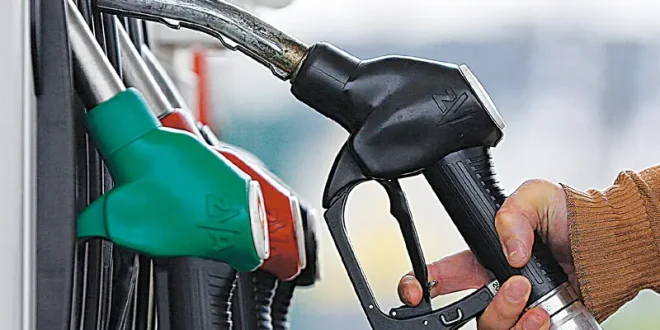
In a recent development, Pakistan’s government announced a modest reduction in the price of petrol by Rs3.93 per litre, effective from October 17th to 19th, 2026. This adjustment brings the retail price of petrol to Rs386.30 per litre. However, high-speed diesel (HSD), a crucial fuel for the country’s transport and industrial sectors, remains unchanged at Rs396.96 per litre.
This minor relief for petrol consumers comes amidst persistent inflationary pressures and a significant tax burden, with the government continuing to levy Rs114 per litre on petrol and Rs100 per litre on diesel. The differential treatment of petrol and diesel prices highlights the government’s delicate balancing act between public relief and revenue generation.
Background: Navigating a Geopolitical Storm
The current volatility in Pakistan’s fuel prices is directly linked to the US-Iran conflict, which erupted on February 28, 2026. This geopolitical event triggered a severe disruption in global oil supplies, particularly impacting the crucial Strait of Hormuz. The immediate consequence was a dramatic surge in domestic fuel prices, pushing petrol from a pre-crisis baseline of Rs266.17 to an unprecedented peak of Rs458.41 per litre by April 3, 2026. Similarly, HSD prices soared from Rs280.86 to a staggering Rs520.35 per litre on the same date.
The embedded chart vividly illustrates this dramatic price escalation and subsequent fluctuations. Following the initial peak, prices saw some decline, but renewed hostilities necessitated a shift in policy. From July 17, 2026, the Petroleum Division, acting on recommendations from the Oil and Gas Regulatory Authority (OGRA), transitioned from weekly to daily fuel price revisions. This measure aimed to more accurately reflect international market dynamics and prevent speculative hoarding in a deeply uncertain environment.
In response to the economic fallout, the government under Prime Minister Shehbaz Sharif has implemented a mix of relief and austerity measures. These include a “relief scheme” for motorcycle and small vehicle users announced on September 13, targeted subsidies in April, and more recently, reintroduced austerity measures such as mandating market closures by 9 PM and a 50 percent cut in fuel allocations for official vehicles for three months. These actions underscore the severe strain on national resources and the urgent need for conservation.
Impact on Pakistan
The persistent high fuel prices, even with minor adjustments, continue to exert immense pressure across Pakistan’s economy and society:
- Exacerbated Inflation: Fuel is a foundational input cost for nearly every sector. High petrol and diesel prices translate directly into increased costs for transportation, manufacturing, and agricultural production. This fuels broader inflation, making essential goods and services more expensive and eroding the purchasing power of ordinary citizens.
- Economic Strain on Businesses: Industries, particularly those reliant on heavy transport and power generation (diesel consumers), face significantly higher operational costs. This can lead to reduced profitability, slowed economic activity, and potentially, job losses. Small businesses, already vulnerable, are hit particularly hard by rising input costs.
- Burden on Households: The middle and lower-middle classes, who largely depend on two-wheelers, rickshaws, and small cars (petrol users), bear a disproportionate share of the fuel price hikes. Despite the latest Rs3.93 cut, petrol at Rs386.30 is still over 45% higher than its pre-crisis level of Rs266. This severely impacts household budgets, forcing families to cut back on other necessities.
- Government Fiscal Challenges: While the substantial taxes and duties (Rs114/litre on petrol, Rs100/litre on diesel) are vital revenue streams for the national exchequer, the need for relief measures and subsidies in a high-price environment creates a fiscal tightrope walk. The reintroduction of austerity measures reflects the government’s struggle to manage its finances while mitigating public hardship.
Analysis: A Fragile Balance
The recent Rs3.93 reduction in petrol price, while welcome, must be viewed in its broader context. It represents a marginal dip from recent highs, not a return to pre-crisis stability. For the average Pakistani, the psychological relief might be greater than the actual economic alleviation. The price remains substantially elevated compared to the Rs266 mark before the US-Iran conflict.
The decision to keep HSD prices unchanged at Rs396.96 is particularly telling. Diesel is the lifeblood of Pakistan’s economy, powering heavy transport, agricultural machinery, and industrial backup generators. Maintaining its price stable, despite the petrol reduction, suggests the government is either contending with persistently high global diesel benchmarks or is prioritizing revenue collection from this vital sector. Any significant cut in diesel prices would have a more profound, positive ripple effect across the entire supply chain, but it would also imply a greater loss in government revenue.
The shift to a daily pricing mechanism, implemented in July 2026, aims for greater transparency and responsiveness to global market shifts. While theoretically sound, it also means consumers and businesses are exposed to constant fluctuations, making long-term planning difficult. This constant movement can also contribute to a sense of instability and frustration among the populace.
Ultimately, Pakistan’s government is performing a delicate balancing act. It needs to generate revenue to fund essential services and manage its debt, for which fuel taxes are a significant contributor. Simultaneously, it must address the growing public discontent stemming from crippling inflation and the elevated cost of living. The announced austerity measures and targeted relief schemes demonstrate this struggle to mitigate the impact of external shocks using limited domestic tools.
Looking ahead, the outlook for fuel prices remains uncertain as long as geopolitical tensions persist in the Middle East, particularly concerning the Strait of Hormuz. Pakistan, as a net oil importer, will continue to be highly vulnerable to these international developments. Without a significant de-escalation of regional conflicts or a substantial shift towards indigenous and renewable energy sources, the nation is likely to remain on this fuel price tightrope, with the government constantly battling to balance fiscal stability with socio-economic well-being.
“`