Dost Pakistan Journeys Tours and safaris in the North & South Pakistsn
Related Articles


“`html
Pakistan’s Intensified Balochistan Campaign: Geopolitical Tensions and the ‘Azm-i-Istehkam’ Vision
Recent counter-terrorism operations in Balochistan highlight a resolute stance by Pakistan against militancy, explicitly linking insurgent activities to foreign sponsorship and signalling a new phase in national security strategy.
The Latest Operations: A Firm Response in Balochistan
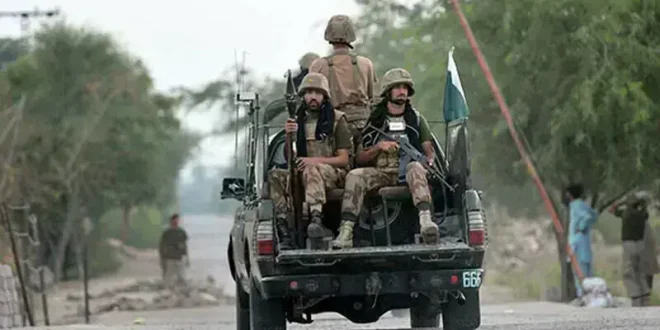
Pakistan’s Inter-Services Public Relations (ISPR) recently announced the killing of eight “India-sponsored” terrorists in a series of intelligence-based operations (IBOs) across Balochistan’s Quetta, Nushki, and Khuzdar districts. The operations, carried out on October 17, targeted individuals purportedly belonging to “Fitna al Hindustan,” a term newly coined by Pakistan’s military to explicitly attribute a deliberate destabilisation strategy to India.
The IBOs unfolded in three key areas: in Quetta’s Panjpai, five terrorists were neutralized while attempting to establish a roadblock; in Nushki, a hideout was busted, resulting in two militant fatalities and recovery of weapons; and in Khuzdar, a single terrorist was killed with a significant cache of explosives (490 kg) recovered. These operations underscore a heightened focus on proactive counter-terrorism measures within the volatile province.
The swift condemnation of terrorism and commendation for the security forces by President Asif Ali Zardari, Prime Minister Shehbaz Sharif, and Balochistan Chief Minister Sarfraz Bugti reflects a unified national resolve. Their statements reaffirmed Pakistan’s commitment to eradicate “foreign-sponsored and supported terrorism” under the comprehensive Vision ‘Azm-i-Istehkam‘ (Resolve for Stability).
Background: The Balochistan Quagmire and Geopolitical Crosscurrents
Balochistan, Pakistan’s largest yet least populated province, is a region of immense strategic importance and profound complexity. Its vast, resource-rich terrain borders Iran and Afghanistan, making it a critical nexus for regional security. The province is also central to the China-Pakistan Economic Corridor (CPEC), with Gwadar Port serving as a cornerstone of this ambitious infrastructure project.
However, Balochistan has been plagued by a multifaceted insurgency for decades, rooted in a blend of ethno-nationalist grievances, sectarian strife, and broader regional geopolitical machinations. Baloch nationalists have historically agitated for greater autonomy and a larger share of the province’s natural resources, feeling marginalized by the federal government. This has, at times, led to armed movements and calls for secession.
Pakistan has consistently accused its eastern neighbor, India, of covertly supporting these separatist groups to destabilize the province, impede CPEC, and thereby undermine Pakistan’s economic and strategic interests. The introduction of the term “Fitna al Hindustan” is a recent and explicit articulation of this long-standing accusation, aiming to clearly frame India’s alleged involvement as a deliberate strategy of chaos. This narrative gains particular traction amidst escalating tensions between the two nuclear-armed rivals, where proxy warfare allegations are commonplace.
The current counter-terrorism efforts are part of a broader national framework, ‘Azm-i-Istehkam,’ approved by the Federal Apex Committee. This vision signifies a renewed and more integrated approach to combating terrorism across Pakistan, aiming to address the menace comprehensively through both kinetic operations and other national action plan components.
Impact on Pakistan and Regional Stability
The persistent security challenges in Balochistan have far-reaching implications for Pakistan’s internal stability, economic development, and regional standing:
- Security Landscape: The continuous threat from militant groups necessitates significant deployment of security forces, diverting resources and maintaining a state of high alert. The recent surge in terrorist activities, with Balochistan topping the list of “most affected” provinces according to the Pakistan Institute for Conflict and Security Studies (PICSS), underscores the severity of the challenge.
- Economic Implications: Instability directly threatens CPEC projects, raising security concerns for Chinese workers and investors, potentially delaying progress and increasing costs. More broadly, it deters domestic and foreign investment in the province’s rich mineral and energy sectors, hindering economic growth and perpetuating poverty—a potential driver of further unrest.
- Geopolitical Strains: The explicit accusation of “India-sponsored” terrorism further strains already frosty relations between Pakistan and India. It complicates regional stability efforts and feeds a cycle of blame that undermines cooperation on other critical issues. Such allegations also become a focal point in international diplomacy, with each nation presenting its narrative.
- Domestic Cohesion: While the security operations demonstrate state resolve, the underlying grievances in Balochistan remain a delicate issue. Balancing kinetic counter-terrorism with efforts to address socio-economic disparities and political marginalization is crucial for long-term peace. The unified stance of political leadership aims to galvanize national support for the operations.
Analysis: A Strategic Shift and Complex Realities
The latest operations in Balochistan, coupled with the explicit “India-sponsored” narrative and the ‘Azm-i-Istehkam’ campaign, signal a significant strategic shift in Pakistan’s approach to its internal security challenges. This is more than just a series of tactical engagements; it’s a recalibration of national policy and public communication.
The ‘India-Sponsored’ Narrative: Strategic Communication and Escalation
The term “Fitna al Hindustan” is a potent political and rhetorical tool. By directly attributing militant activities to India, Pakistan aims to:
- Mobilize Domestic Support: Frame the fight against militancy as a defense against external aggression, fostering national unity and justifying robust military action.
- Internationalize the Issue: Present India as a state sponsoring terrorism, seeking to gain international sympathy and pressure on New Delhi. This mirrors India’s long-standing accusations against Pakistan concerning cross-border terrorism.
- Consolidate Policy: Streamline varied threats under a single, identifiable external adversary, simplifying the complex matrix of militancy in Balochistan which includes ethno-nationalist, sectarian, and religiously motivated groups (like elements of Tehreek-i-Taliban Pakistan – TTP).
While Pakistan has historically accused India, the consistent and official use of such a pointed term suggests a deliberate escalation in rhetoric, potentially setting the stage for increased diplomatic confrontation.
‘Azm-i-Istehkam’: A Comprehensive, Coordinated Campaign
The ‘Azm-i-Istehkam’ vision appears to be Pakistan’s comprehensive answer to the resurgence of terrorism. It likely seeks to overcome past criticisms of fragmented or inconsistent counter-terrorism efforts. The emphasis on “relentless counterterrorism campaign” and “full pace” suggests a proactive, offensive posture aimed at dismantling militant networks and eliminating sanctuaries.
However, the effectiveness of ‘Azm-i-Istehkam’ will depend not just on kinetic operations but also on addressing the root causes of militancy. Sustainable peace in Balochistan requires a multi-pronged approach that includes:
- Socio-Economic Development: Addressing poverty, unemployment, and lack of infrastructure to alleviate grievances that militant groups exploit.
- Political Inclusion: Ensuring genuine political representation and empowering local communities in decision-making processes.
- Justice and Governance Reforms: Strengthening the rule of law and ensuring equitable justice for all citizens.
Without these parallel efforts, military successes, while crucial, might only offer temporary respite.
The Complexities of Balochistan’s Insurgency
Attributing all militancy solely to “India-sponsored” groups, while serving a strategic communication purpose, risks oversimplifying the complex dynamics within Balochistan. The insurgency is driven by a mix of factors, and various militant entities operate with different ideologies and motivations. While external state support can exacerbate conflicts, internal factors remain critical. A nuanced understanding and response to these varied elements are essential for a lasting resolution.
Outlook: A Prolonged Struggle Ahead
The intensification of intelligence-based operations and the resolute stance of the Pakistani leadership indicate that the country is committed to a prolonged and assertive campaign against terrorism in Balochistan. This campaign is inherently linked to broader geopolitical dynamics, particularly with India and the ongoing instability in Afghanistan, which often spills over into Pakistan’s border regions.
While the immediate focus is on eliminating threats, the long-term success will hinge on Pakistan’s ability to forge a comprehensive strategy that not only counters militant violence but also addresses the deep-seated political, economic, and social grievances that fuel instability in Balochistan. The ‘Azm-i-Istehkam’ vision represents an attempt at such a comprehensive approach, but its implementation and impact will define Pakistan’s trajectory in its ongoing struggle for national security and regional stability.
“`