Dost Pakistan Journeys Tours and safaris in the North & South Pakistsn
Related Articles



“`html
Pakistan-Afghanistan Tensions: Unpacking the Blame Game on Cross-Border Terrorism
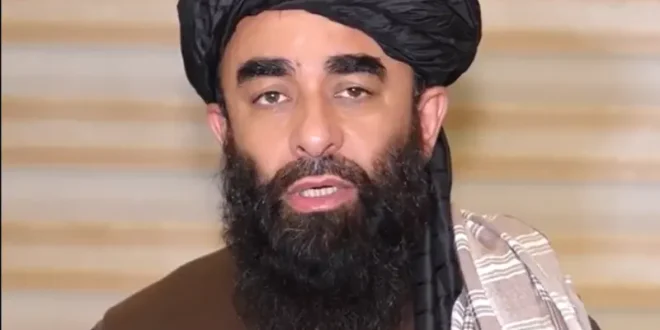
The diplomatic rift between Pakistan and the Afghan Taliban regime has deepened significantly following a pointed exchange of accusations regarding persistent cross-border terrorism. Islamabad recently issued a stern rebuke to statements made by Afghan Taliban spokesperson Zabihullah Mujahid, who had attributed the ongoing conflict to Pakistan’s “wrong policies” and disavowed Kabul’s responsibility for counter-terrorism issues. Pakistan’s Information Ministry categorically rejected this stance, labeling it a “deeply misguided approach” and a clear refusal to confront the core problem: terrorism emanating from Afghan soil.
The Latest Standoff: A Dangerous Deadlock
This latest verbal volley underscores a critical impasse in Pakistan-Afghanistan relations. Pakistan views the Afghan Taliban’s position as a deliberate attempt to deflect responsibility, conveniently overlooking the tangible threat posed by militant groups, particularly the Tehreek-i-Taliban Pakistan (TTP), operating with apparent impunity from within Afghanistan. Islamabad has reiterated its “unequivocal” stance: the security of its citizens is non-negotiable, and the existence of terrorist sanctuaries across its borders will not be tolerated. The ministry’s strong statement signals Pakistan’s readiness to exercise its right to self-defense under international law if these threats persist, hinting at potential unilateral action should diplomatic efforts continue to falter. This declaration comes amidst a backdrop of recent border skirmishes, including Pakistani retaliatory airstrikes and unprovoked firing incidents from the Afghan side, escalating an already fragile situation.
Context: A History of Entanglement and Shifting Sands
To fully grasp the current crisis, it’s crucial to understand the complex historical and geopolitical landscape. When the Afghan Taliban seized power in August 2021, Pakistan initially held cautious optimism, hoping for a stable, cooperative neighbor. However, this optimism quickly waned as cross-border terror attacks, primarily attributed to the TTP, surged dramatically. The TTP, an ideologically aligned but distinct entity from the Afghan Taliban, has historically found refuge and operational bases within Afghanistan. Pakistan has consistently demanded that the Afghan Taliban dismantle these safe havens, a commitment that Kabul, despite initial assurances, appears unwilling or unable to fulfill.
The issue is further complicated by the undefined and often contested Durand Line border, which has historically been a flashpoint for cross-border movement and disputes. The Afghan Taliban’s rise also coincided with the withdrawal of international forces, creating a power vacuum and potentially empowering various militant factions across the region. Repeated diplomatic efforts, including mediations by Qatar, Turkiye, and even China, have failed to yield concrete results, highlighting the deep trust deficit and divergent priorities between the two neighbors on the critical issue of counter-terrorism efforts.
Impact on Pakistan: A Growing Security and Economic Burden
The resurgence of TTP threat in Pakistan originating from Afghanistan has had severe repercussions for Islamabad. The country has witnessed a significant uptick in terrorist attacks, particularly in its western provinces of Khyber Pakhtunkhwa (KP) and Balochistan. These attacks have resulted in a tragic loss of lives among security forces and civilians, stretching Pakistan’s security apparatus thin and creating a pervasive sense of insecurity in border regions. The human cost is immense, manifesting in displacement, economic disruption, and psychological trauma for affected communities.
Economically, managing porous borders and mounting sophisticated counter-terrorism operations places a substantial strain on Pakistan’s already struggling economy. Resources that could be directed towards development are instead diverted to defense and security. Furthermore, the persistent instability along the border hinders regional trade and connectivity initiatives, impacting potential economic growth and foreign investment. The diplomatic fallout also complicates Pakistan’s standing in the international community, as it grapples with a perceived failure of its neighbor to address shared security challenges, placing immense domestic and international pressure on the Pakistani government to find an effective solution to this persistent cross-border terrorism.
Analysis: Unpacking the Blame Game and Future Prospects
The ongoing blame game between Islamabad and Kabul reveals a fundamental divergence in their understanding and approach to security. The Afghan Taliban’s assertion that “Islamabad’s wrong policies” are the root cause is a classic deflection tactic, designed to externalize internal issues and avoid accountability for their inability or unwillingness to control militant groups. This stance likely serves to appeal to their domestic hardline base and prevent alienating ideologically similar groups within Afghanistan, even at the cost of international legitimacy and regional stability.
From Pakistan’s perspective, the evidence of TTP operations from Afghan soil is undeniable, backed by intelligence and the locations of attacks. The refusal to acknowledge or act upon this evidence, coupled with hollow assurances, is perceived as a direct threat to Pakistan’s sovereignty and national security. The phrase “terrorism is a red line” signifies a shift towards a more assertive and potentially unilateral security posture, driven by growing frustration and the perceived inadequacy of diplomatic engagement.
The ideological alignment between elements within the Afghan Taliban and the TTP remains a critical, unresolved factor. Despite claims of non-interference, the practical reality on the ground suggests otherwise, complicating any genuine effort to dismantle TTP infrastructure. Pakistan’s declaration of reserving the right to “take all necessary measures” is a clear warning that it might resort to targeted military action if the diplomatic stalemate persists and the threat intensifies. Such actions, while framed as self-defense, carry significant risks of further escalation and could destabilize the region even more.
The path forward is fraught with challenges. A lasting solution requires a fundamental shift in the Afghan Taliban’s policy towards militant groups, moving beyond rhetoric to verifiable action. This involves not only dismantling TTP sanctuaries but also demonstrating a genuine commitment to regional peace and stability. International pressure, though currently limited, could play a role in compelling the Afghan Taliban to address Pakistan’s legitimate security concerns. Without such a shift, the current cycle of accusations, border clashes, and escalating tensions is likely to continue, perpetuating Afghanistan instability and posing a serious threat to broader regional security in South Asia. The current standoff represents a critical juncture, demanding a recalibration of strategies from both sides, if peace is ever to prevail along this troubled frontier.
Relevant Keywords for SEO:
- Pakistan Afghanistan relations
- Afghan Taliban terrorism
- TTP threat Pakistan
- Cross-border terrorism
- Pakistan security concerns
- Afghanistan instability
- Counter-terrorism efforts
- Regional security South Asia
- Pakistan’s foreign policy
- Geopolitical analysis
“`