Dost Pakistan Journeys Tours and safaris in the North & South Pakistsn
Related Articles



“`html
German Gen Z Protests: A Snapshot of European Youth Discontent and Shifting Politics
A new wave of youth activism is challenging the status quo across Europe, with Germany now experiencing significant demonstrations led by Generation Z. Recent events saw thousands take to the streets, expressing deep dissatisfaction with government policies, economic pressures, and their future prospects. These protests, while largely peaceful, also witnessed flashpoints of confrontation, highlighting the escalating tensions between a disillusioned youth and established political systems.
The News: Germany’s Youth Uprising
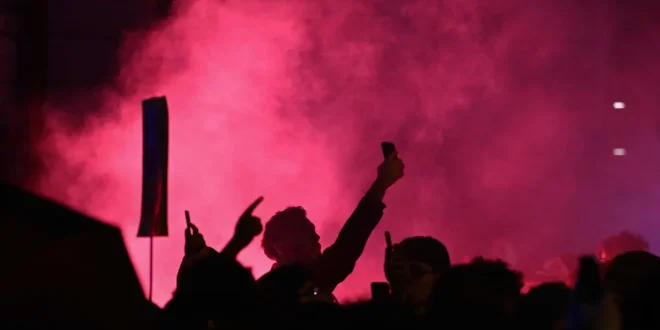
On October 31, 2026, major cities across Germany, including Berlin, Frankfurt, and Cologne, became focal points for widespread youth-led protests orchestrated by the movement ‘GenZ regelt!‘ (GenZ has got this!). The demonstrations, drawing thousands, were a powerful expression of frustration, echoing similar youth movements seen recently in France and Italy. While the majority of the day’s events proceeded without incident, evening hours saw escalating tensions. In Cologne, police resorted to water cannons to disperse crowds after officers were targeted with fireworks. Incidents of protesters throwing bottles and eggs were reported in Berlin, barricades were set ablaze in Hamburg, and pepper spray was deployed in other locations, underscoring a hardening edge to some segments of the protests.
The core demands articulated by ‘GenZ regelt!‘ activists centered on economic grievances such as the soaring cost of living, inadequate public services like schools, and concerns over government spending priorities. Signs calling for “Time for resistance” and “Merz must go,” targeting conservative Chancellor Friedrich Merz, underscored a broader disillusionment with current leadership. Despite the movement’s explicit rejection of violence and extremist ideologies, the isolated confrontations raised authorities’ concerns, particularly as the protests coincided with Halloween and followed recent widespread rioting in France.
Background: A Generation Under Pressure
The recent surge in German youth protests is not an isolated event but rather a localized manifestation of broader socio-economic and political currents sweeping across Europe and, indeed, the globe. Gen Z, generally defined as individuals born between the mid-1990s and early 2010s, has come of age amidst a series of unprecedented global challenges.
Economic Strain and Social Discontent
In Germany, like many developed economies, this generation faces significant headwinds. Persistent inflation has eroded purchasing power, making everything from daily groceries to housing increasingly unaffordable. The cost of living crisis is particularly acute for young adults often navigating entry-level jobs, precarious employment, or student debt. The traditional promise of upward mobility feels increasingly out of reach, fueling anxieties about their financial future. Furthermore, grievances extend to the state of public services; poorly maintained schools and perceived underfunding in critical sectors contribute to a sense that the government is not adequately investing in their future.
Beyond domestic economic woes, specific government policies have ignited further anger. Increased military spending and the introduction of a new voluntary service model are viewed with suspicion by many young Germans, who fear it’s a precursor to reinstating compulsory military service—a deeply unpopular prospect for a generation that has grown up without conscription. Chancellor Friedrich Merz, leader of the CDU party, represents a more traditional, conservative political establishment that many young people feel is out of touch with their priorities and struggles.
The Broader European Context
These German protests are part of a larger European trend. Youth movements in France, fueled by pension reforms and broader social inequalities, and in Italy, grappling with high youth unemployment and economic stagnation, provide a powerful precedent. Social media platforms play a critical role, enabling rapid mobilization and the sharing of grievances, creating a sense of collective identity and shared struggle across borders. This interconnectedness allows movements like ‘GenZ regelt!‘ to draw inspiration and tactical cues from their European counterparts, contributing to a continental surge in youth-led political engagement.
Impact on Pakistan: Echoes of Discontent
While the German youth protests are primarily a domestic European affair with no direct, immediate policy implications for Pakistan, their emergence highlights global socio-economic trends that resonate far beyond the continent. For Pakistan, a nation with a vast youth population, observing these movements offers important conceptual insights.
Indirectly, the German situation reflects a worldwide challenge: the growing disillusionment of younger generations with traditional political systems and the economic anxieties they face. Pakistani youth grapple with their own significant issues, including high unemployment rates, inflation, and limited access to quality education and healthcare. The sentiment that political elites are disconnected from the daily struggles of ordinary citizens, particularly the young, is a universal theme. While the specific catalysts and socio-political contexts differ vastly, the underlying calls for economic justice, better governance, and a voice in their future are sentiments that resonate deeply with young people in Pakistan. Such global movements, amplified by social media, can inspire local discourse and potentially shape the demands of Pakistani youth seeking change within their own national context, even if the methods and scale of protest remain distinct.
Analysis: A Shifting Political Landscape
The ‘GenZ regelt!‘ protests in Germany mark a significant moment, indicative of a deeper societal shift within Europe. This is not merely a transient outburst but potentially the precursor to a more sustained and assertive youth political presence.
The ‘GenZ regelt!’ Phenomenon
The ‘GenZ regelt!‘ movement, despite explicitly denouncing violence, exemplifies the paradox of contemporary activism: a digitally native, horizontally organized force articulating legitimate grievances, yet susceptible to moments of unrest at its fringes. Their diverse demands—ranging from cost of living to military spending—highlight a comprehensive dissatisfaction with the current political trajectory. This breadth of concerns suggests that traditional political parties, often structured around narrower policy platforms, may struggle to adequately address this multi-faceted discontent. The “Merz must go” slogan, while directed at the Chancellor, symbolizes a broader rejection of established leadership and a yearning for fresh, responsive governance.
Navigating Protest and Policy
The government’s response to these protests will be critical. While deploying water cannons and pepper spray can manage immediate unrest, it risks alienating a significant demographic further. The challenge for Chancellor Merz and his administration lies in moving beyond containment to genuine engagement. Ignoring or dismissing these protests as mere youthful exuberance risks exacerbating the generational divide and pushing more young people towards radicalized forms of expression. Dialogue, policy adjustments that demonstrably address youth concerns (e.g., affordable housing, educational reform, clear explanations for defense spending), and a perceived willingness to listen are essential to de-escalate tensions and rebuild trust.
The Future of European Youth Activism
The Europe-wide nature of these protests suggests that the era of youth political apathy may be drawing to a close. This generation, facing a precarious economic future, climate crisis anxiety, and a world reshaped by technology, is finding its voice. While the expert Christian Volk notes Germany’s historically less confrontational protest tradition compared to France, the isolated incidents of violence indicate a potential convergence of protest styles, or at least a segment willing to adopt more disruptive tactics when frustrations boil over. This trend could reshape political landscapes across the continent, potentially leading to the emergence of new political actors, altered policy priorities, and an enduring challenge to the established order as Gen Z increasingly demands a seat at the table in shaping their own future.
“`