 Dost Pakistan Journeys Tours and safaris in the North & South Pakistsn
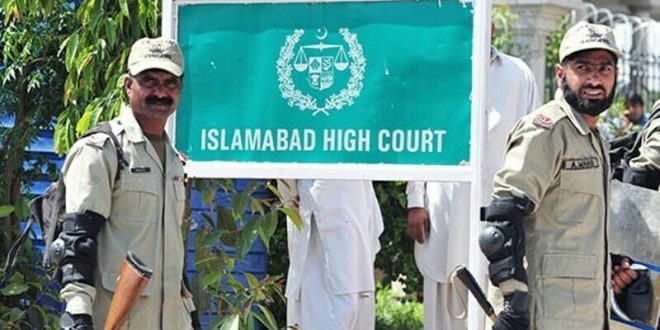
Islamabad High Court bars FIR mention in character certificates after acquittal: A Landmark for Citizen Rights
The News: Upholding a Citizen’s Clean Slate
In a significant development for individual liberties in Pakistan, the Islamabad High Court (IHC) has issued a pivotal ruling, declaring that law enforcement agencies cannot include references to First Information Reports (FIRs) in character certificates issued to citizens who have been acquitted of the charges. This judicial pronouncement deems any such certificate as unlawful and without legal standing.
Justice Ayyaz Shaukat, presiding over a public interest petition, has mandated the Inspector General of Police (IGP) Islamabad to implement a formal, transparent mechanism. This procedure is aimed at ensuring that any criminal proceedings culminating in an acquittal are not detrimentally reflected in the character certificates presented to the public. The court strongly emphasized that citizens should not be compelled to resort to litigation merely to assert rights already guaranteed by the nation’s legal framework.
The judgment underscored that once an individual has been acquitted, there is no legitimate reason to brand them as an accused or criminal via a police-issued document. It specifically highlighted that while police may retain internal records for operational purposes, this information is not to be disclosed on public character certificates, particularly those required for international travel. The court further clarified that a police characterization of a petitioner as “discharged” following an acquittal incorrectly diminishes the full legal weight and status of being acquitted.
Critically, the IHC determined that the inclusion of an FIR in a character certificate post-acquittal constitutes a direct violation of fundamental constitutional provisions. These include Articles 4 (rights of individuals to be dealt with in accordance with law), 9 (security of person), 14 (dignity of man), and 15 (freedom of movement), all of which safeguard the fundamental rights, liberty, dignity, and mobility of Pakistani citizens.
Background: The Stigma of Accusation
Character certificates are vital documents in Pakistan, frequently required for a multitude of purposes, including securing employment, obtaining visas for overseas travel, pursuing higher education, or even renting property. Historically, the process of obtaining these certificates often involved the police detailing any past criminal cases registered against an individual, irrespective of their outcome. This practice, deeply ingrained in administrative procedures, created a significant hurdle for many, even those who had been legally cleared of all charges.
The issue stems from a lack of clear differentiation between internal police records and public-facing documents. For years, individuals acquitted by courts found themselves in a Catch-22: legally innocent, yet administratively branded. A simple mention of an old FIR on a character certificate could lead to denied job opportunities, rejected visa applications, and widespread social stigmatization. This perpetual shadow, cast by an accusation rather than a conviction, often contravened the fundamental legal principle of “presumption of innocence” – a cornerstone of any fair justice system.
Such challenges frequently forced citizens into arduous and costly legal battles, seeking court directives to rectify their character certificates. This not only placed an undue burden on the judiciary but also highlighted a systemic flaw where administrative processes inadvertently undermined judicial pronouncements, leaving acquitted individuals in a state of quasi-punishment.
Impact on Pakistan: A Step Towards True Justice
The Islamabad High Court’s ruling marks a significant stride towards strengthening human rights and reforming police practices in Pakistan. Its impact is multifaceted and promises to bring about substantial positive changes:
- Upholding Constitutional Rights: Most importantly, this judgment reinforces the sanctity of fundamental rights enshrined in the Constitution, particularly the right to dignity (Article 14) and freedom of movement (Article 15). It ensures that an individual’s past legal entanglements, once resolved through acquittal, do not permanently impede their ability to lead a normal life.
- Eradicating Stigma: For thousands of Pakistanis who have faced false accusations or were simply cleared of charges, this ruling offers liberation from persistent social and professional stigma. It ensures that an acquittal truly means a clean slate, facilitating access to employment, education, and international opportunities without prejudice.
- Reducing Judicial Burden: By mandating a proactive mechanism for police to issue accurate certificates, the judgment aims to drastically reduce the number of citizens forced to initiate fresh litigation solely to correct their official records. This will free up valuable judicial resources and make the justice system more efficient.
- Promoting Police Accountability and Reform: The directive for the IGP to establish a formal mechanism underscores the need for greater accountability and procedural clarity within law enforcement. It encourages police departments to distinguish between internal data retention and public information dissemination, pushing for more rights-sensitive administrative practices.
- Enhancing Trust in the Justice System: When judicial decisions are honored and enforced at every administrative level, public trust in the justice system is inevitably bolstered. This ruling reinforces the idea that an acquittal is not merely a legal formality but a complete restoration of one’s legal standing.
While the ruling specifically pertains to Islamabad, its implications are profound and set a crucial precedent for other provinces. The challenge now lies in ensuring its meticulous implementation across the capital and advocating for similar directives nationwide to standardize rights-protective practices.
Analysis: A Judicial Reinforcement of Fundamental Freedoms
The Islamabad High Court’s decision transcends a mere administrative directive; it is a powerful reaffirmation of the judiciary’s role as a guardian of fundamental rights. In a society where administrative practices can often inadvertently infringe upon individual freedoms, this ruling serves as a vital check, ensuring that the state’s machinery operates within the constitutional bounds of justice and fairness.
This judgment is particularly significant because it addresses the subtle yet devastating impact of bureaucratic inertia. The “stigma” associated with a recorded FIR, even after acquittal, can be a life sentence of a different kind. It limits opportunities, damages reputations, and erodes the psychological well-being of individuals who have already endured the stress and cost of legal battles. By unequivocally stating that an acquitted person cannot be “portrayed as an accused or criminal,” the court is directly challenging a mindset that often views administrative convenience over individual dignity.
Furthermore, the court’s rejection of the term “discharged” in the context of an acquittal is crucial. “Discharged” can imply a technicality or a lack of sufficient evidence, rather than a definitive declaration of innocence. An acquittal, by contrast, is a conclusive finding that an individual is not guilty. This linguistic precision by the court is a testament to its commitment to upholding the full legal effect and moral standing of an acquitted person.
Globally, progressive justice systems strive to facilitate the reintegration of individuals who have been cleared of charges, often implementing mechanisms for expungement or sealing of records after a certain period. The IHC’s ruling aligns Pakistan with these best practices, albeit focusing initially on public-facing character certificates. It sets a precedent that could pave the way for broader reforms in criminal record management, ensuring that past legal issues do not become perpetual roadblocks for law-abiding citizens.
In conclusion, the Islamabad High Court has delivered a landmark judgment that is both timely and essential. It is a resounding call for administrative processes to respect judicial outcomes and, more importantly, to safeguard the inherent dignity and constitutional rights of every Pakistani citizen. For the countless individuals who have suffered the collateral damage of a system that failed to differentiate between accusation and conviction, this ruling offers a much-needed beacon of hope and a pathway to a genuinely clean slate.
“`
