Dost Pakistan Journeys Tours and safaris in the North & South Pakistsn
Related Articles

Pakistan’s Dual Challenge: Mediating Middle East Peace Amidst Domestic Economic Headwinds
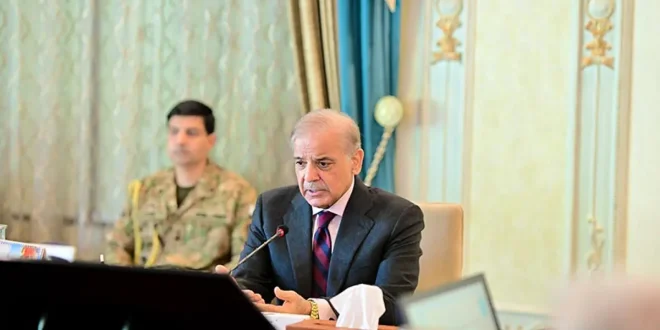
Prime Minister Shehbaz Sharif recently affirmed Pakistan’s enduring commitment to restoring peace in the Middle East, emphasizing its critical link to mitigating global fuel price surges that severely impact the nation. His remarks, made during a federal cabinet meeting, highlighted recent diplomatic engagements with Iran and other regional powers, including initiatives under the Makkah Joint Defence Agreement. Concurrently, the Premier detailed domestic strategies to shield citizens from rising energy costs, such as negotiating with refineries to absorb price hikes and ensuring transparent distribution of vital resources like LPG, while also announcing significant support for counter-terrorism efforts in Khyber Pakhtunkhwa.
The News: Navigating Regional Tensions and Domestic Pressures
In a recent address to the federal cabinet, Prime Minister Shehbaz Sharif underscored Pakistan’s unwavering dedication to fostering stability in the Middle East. His statement comes at a time when escalating regional conflicts have driven global oil prices to unprecedented levels, directly threatening Pakistan’s delicate economic balance. The Prime Minister pointed to Pakistan’s active diplomatic front, citing recent high-level visits to Tehran by Chief of Army Staff General Asim Munir and Interior Minister Mohsin Naqvi, aimed at mediating between Washington and Tehran. These efforts are part of a broader strategy, which also includes multilateral engagements under the Makkah Joint Defence Agreement alongside Saudi Arabia and Turkiye.
Domestically, PM Sharif articulated the government’s proactive measures to mitigate the economic fallout. This includes a decision to prevent a planned Rs15 fuel price hike from burdening consumers by urging refineries to absorb costs from their “windfall profits.” He also provided updates on a successful fuel subsidy scheme and outlined a new, transparent system for liquefied petroleum gas (LPG) imports and distribution, designed to combat black market activities and subsidize costs for the common man. Simultaneously, the Prime Minister announced a significant Rs160 billion package for Khyber Pakhtunkhwa, reiterating the federal government’s firm resolve to tackle terrorism in the region through enhanced security operations and inter-governmental cooperation.
Background: A Legacy of Diplomacy Amidst Volatility
Pakistan’s recent diplomatic overtures in the Middle East are not an isolated event but rather a continuation of a long-standing foreign policy tradition. Historically, Pakistan has positioned itself as a bridge-builder, leveraging its unique relationships with various regional powers, including Saudi Arabia, Iran, and Turkey. This role was particularly evident during the Iran-Iraq war and has resurfaced periodically in efforts to de-escalate tensions between Riyadh and Tehran.
The current geopolitical landscape of the Middle East is marked by profound instability. The lingering Israel-Hamas conflict, coupled with increased maritime disruptions in the Red Sea and heightened proxy confrontations, has created a volatile environment. These factors directly contribute to the “skyrocketing” global oil prices, which pose a significant threat to import-dependent economies like Pakistan. For Pakistan, a country consistently battling current account deficits, inflation, and external debt, any surge in international commodity prices can have immediate and severe repercussions on its fiscal health and the daily lives of its citizens. The Makkah Joint Defence Agreement, a trilateral framework involving Pakistan, Saudi Arabia, and Turkiye, represents an evolving attempt to forge greater regional security cooperation, extending beyond traditional bilateral alliances to address shared threats and foster stability.
Domestically, Pakistan’s energy sector faces inherent structural challenges. A heavy reliance on imported oil and LNG, coupled with persistent issues of circular debt, aging infrastructure, and a history of market manipulation, makes the country particularly vulnerable to global supply shocks. The recent disruption of LPG supplies due to Iranian border closures and challenges in maritime routes underscore the fragility of Pakistan’s energy security and the urgency of effective governance in managing these vital resources.
Impact on Pakistan: Economic Vulnerability Meets Strategic Opportunity
The intricate web of regional stability and global commodity prices has profound and multifaceted impacts on Pakistan:
- Economic Headwinds: The direct and most immediate impact of Middle East instability on Pakistan is economic. Elevated global oil prices directly translate into higher import bills, exacerbating the current account deficit and depreciating the local currency. This fuels domestic inflation, diminishing purchasing power and disproportionately affecting low-income households. The government’s decision to absorb a planned fuel price hike, while offering immediate relief, places an additional burden on the national exchequer, highlighting the tough fiscal choices Pakistan faces.
- Energy Security Crisis: Pakistan’s dependence on imported energy sources means that regional disruptions, whether due to conflict or logistical challenges like blocked maritime routes and border closures, directly threaten its energy security. The scarcity and price surge of LPG, resulting from Iranian border disruptions, serve as a stark reminder of this vulnerability, particularly heading into the high-demand winter months. The government’s efforts to reform LPG procurement and distribution are critical to ensuring equitable access and combating price gouging.
- Diplomatic Capital and Regional Influence: By actively engaging in peace mediation, Pakistan seeks to enhance its diplomatic standing and strategic importance. Successful de-escalation of tensions, particularly between US and Iran, could position Pakistan as a credible and influential regional player, potentially unlocking opportunities for trade, investment, and greater security cooperation. This reinforces Pakistan’s geopolitical value and strengthens its relationships with key partners.
- Internal Security Nexus: The security situation in Khyber Pakhtunkhwa (KP) is intrinsically linked to broader regional dynamics. Instability in Afghanistan and the wider region often has spill-over effects on Pakistan’s western borders, manifesting as renewed terrorist threats. The Rs160 billion package for KP and the federal government’s renewed emphasis on counter-terrorism efforts are crucial for stabilizing the province and safeguarding national security, acknowledging that internal peace cannot be achieved in isolation from regional calm.
Analysis: A Multifaceted Approach to National Resilience
Prime Minister Shehbaz Sharif’s recent statements reveal a comprehensive strategy aimed at navigating a complex interplay of foreign policy imperatives and domestic challenges. This approach is rooted in the understanding that Pakistan’s economic stability and internal security are inextricably linked to regional peace.
Pakistan’s commitment to Middle East peace is not merely altruistic; it is a strategic imperative driven by national interest. The economic costs of regional instability are too high for Pakistan to ignore. By acting as a mediator, Pakistan aims to exert influence where it can, foster conditions conducive to lower global oil prices, and reduce the immediate economic pressure on its own economy. The “cautiously optimistic” stance on US-Iran mediation reflects the delicate balance Pakistan must maintain, engaging with all parties while safeguarding its own strategic autonomy. The Makkah Joint Defence Agreement also presents an opportunity to institutionalize cooperation beyond crisis management, potentially fostering a more stable security architecture.
Domestically, the government’s approach to energy prices reflects a pragmatic, albeit challenging, balancing act. The decision to negotiate with refineries to absorb price hikes from “windfall profits” signifies a shift towards holding corporations accountable and shielding consumers, moving beyond traditional subsidy models that often strain public finances. This, alongside efforts to transparently manage LPG imports and distribution, points towards an attempt to reform the energy sector and combat entrenched “mafias.” However, these measures, while commendable, are short-term fixes. Long-term energy security will require diversification of energy sources, investment in renewable energy, and robust infrastructure development to reduce reliance on volatile international markets.
The renewed focus and significant financial allocation towards counter-terrorism in Khyber Pakhtunkhwa underscore the critical importance of a stable western border. This initiative, combining federal support with provincial government efforts and law enforcement agencies, recognizes that internal security is a prerequisite for economic growth and social development. Crushing terrorism in KP is vital not just for the province but for national stability, enabling Pakistan to focus its resources on economic revival rather than perpetual conflict management.
In essence, Pakistan’s current strategy under Prime Minister Shehbaz Sharif is a testament to its multifaceted challenges. It’s a concerted effort to leverage diplomatic influence to secure external stability, while simultaneously implementing internal reforms and security measures to build national resilience against global economic shocks and internal threats. The success of this strategy hinges on sustained diplomatic engagement, effective domestic governance, and the ability to adapt to a rapidly evolving geopolitical landscape.
Keywords: Pakistan Middle East peace, Shehbaz Sharif, global oil prices, energy security Pakistan, fuel subsidies, Khyber Pakhtunkhwa security, regional stability, US-Iran mediation, Makkah Joint Defence Agreement, Pakistan economic challenges, inflation Pakistan, geopolitical strategy, Pakistan diplomacy, energy crisis, counter-terrorism, national resilience.