Dost Pakistan Journeys Tours and safaris in the North & South Pakistsn

Related Articles


“`html
Lone Star Turns Blue: Texas’s Democratic Shift and Its Broader Implications
In a political upset that reverberates across the American landscape, Texas, long a Republican fortress, has seen a seismic shift. The victories of James Talarico and Gina Hinojosa signal a new era for the Lone Star State and could redefine national political dynamics for years to come.
The News: A Blue Wave Sweeps Texas
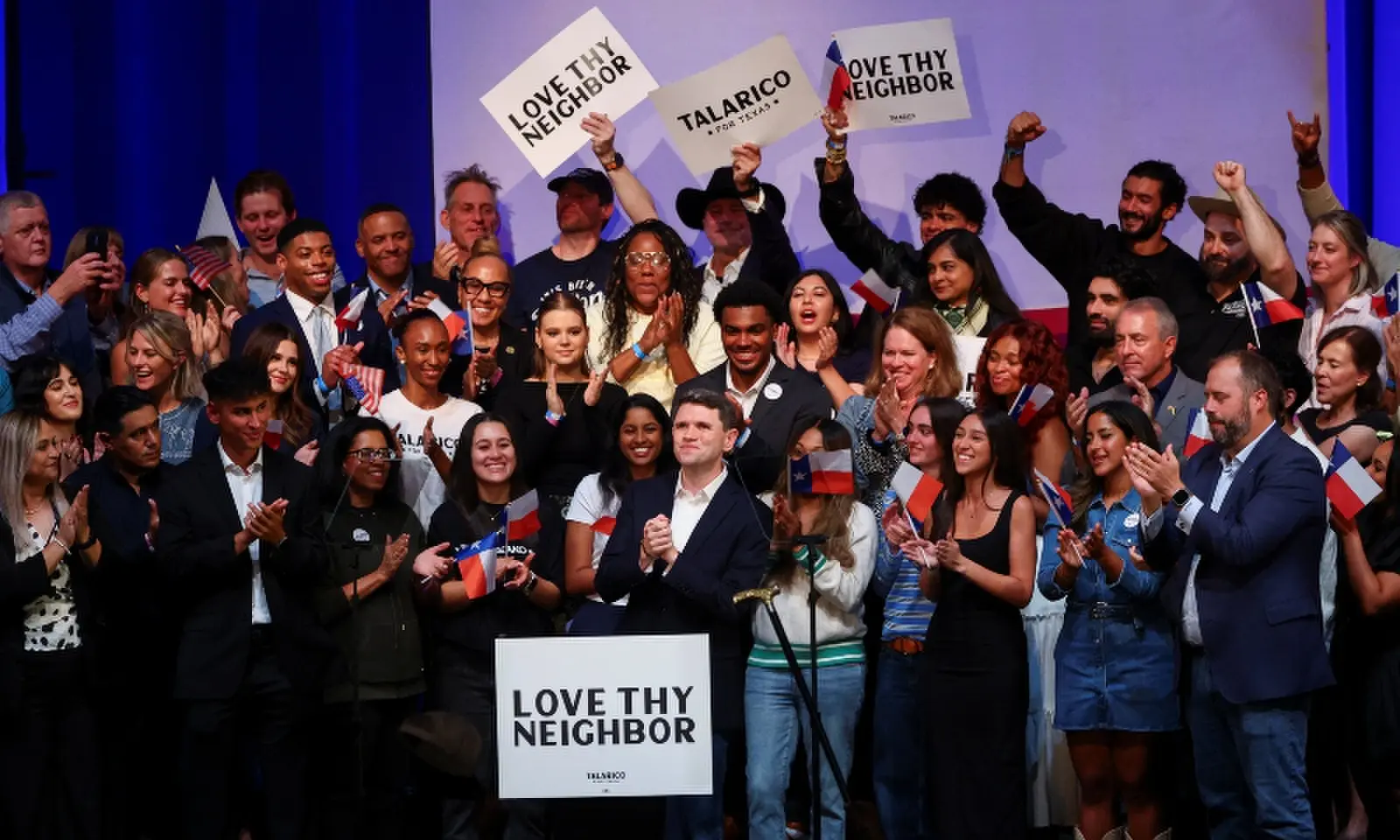
In a historic electoral outcome, Democrats James Talarico and Gina Hinojosa have claimed pivotal victories in Texas, marking the first time the party has won statewide offices in the state since 1994. James Talarico, a former teacher and Presbyterian seminarian, secured the U.S. Senate seat, triumphing over incumbent Attorney General Ken Paxton. Paxton, a staunch ally of former President Donald Trump and significantly funded by tech mogul Elon Musk, faced a formidable challenge from Talarico’s “politics of love” and populist message.
Talarico’s victory, which he characterized as a “David versus Goliath” battle against “the richest man in the world, the most powerful man in the world, and the entire Washington, DC establishment,” underscores a potent rejection of established power structures and a craving for change among Texas voters. His campaign resonated with a blend of Christian faith and economic populism, appealing to Republicans disillusioned with their party and a burgeoning youth vote.
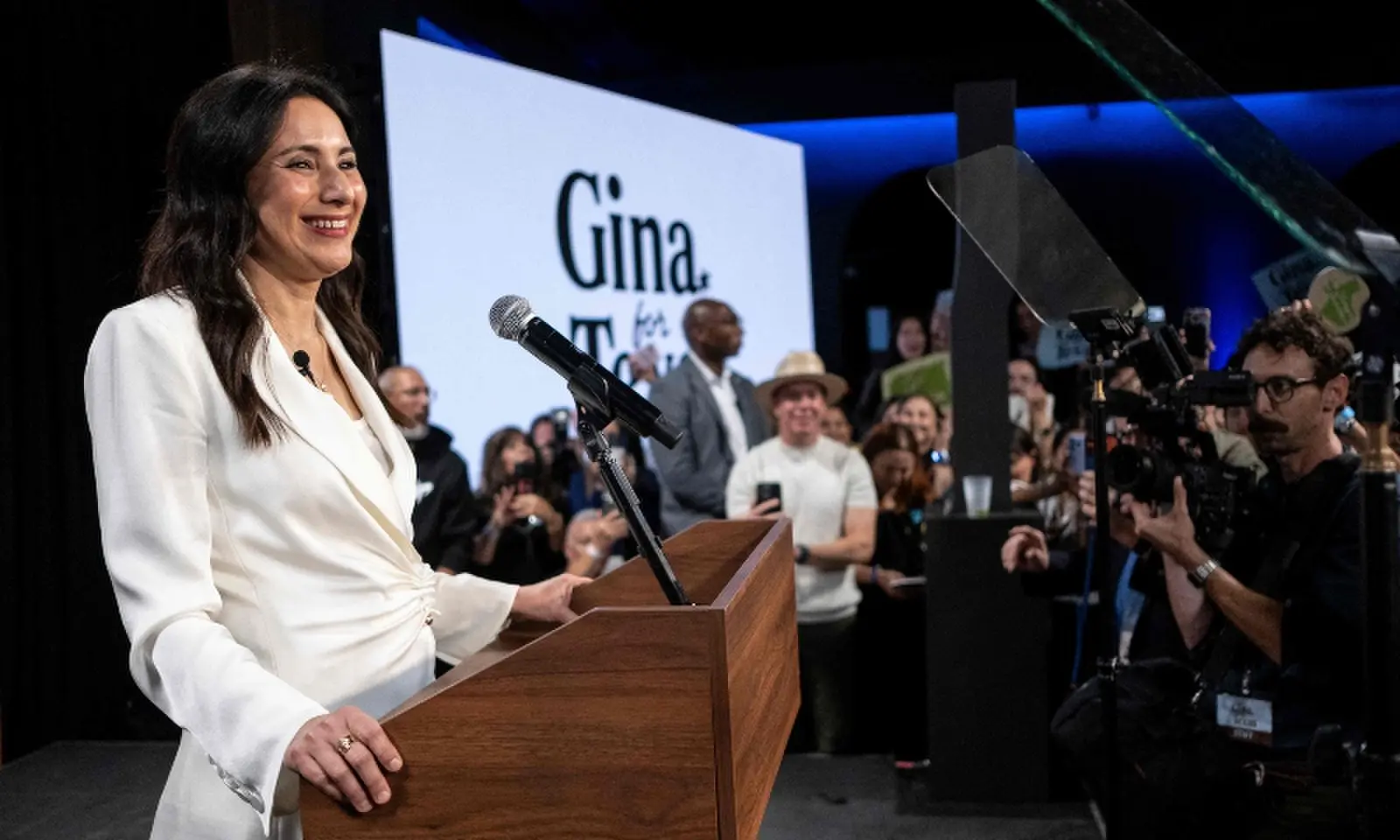
Adding to the Democratic triumph, Gina Hinojosa, a 52-year-old attorney and state lawmaker, successfully unseated incumbent Texas Governor Greg Abbott. Hinojosa’s campaign strategically targeted independents and voters disenchanted with Trump’s foreign policy—specifically the unpopular war in the Middle East—and the soaring costs of living. Her victory, alongside Talarico’s, ignited jubilant celebrations across Austin, symbolizing a collective hope for governance that prioritizes ordinary citizens over entrenched elites and billionaires.
Background: The Shifting Sands of Texas Politics
Texas has long been a bedrock of conservative Republican power, a political reality solidified over the past three decades. Its vast geographical expanse, diverse economy, and rapidly growing population — now the nation’s second-largest — make its political alignment profoundly impactful. For years, the Democratic Party struggled to gain traction statewide, often falling victim to low voter turnout in key demographics and the formidable Republican political machine.
Key Factors Paving the Way for a Blue Texas:
- Demographic Evolution: Texas is becoming increasingly diverse, with a significant and growing Hispanic population. While not monolithic, this demographic traditionally leans Democratic, and effective mobilization efforts have begun to unlock its electoral power. Urban centers, like Austin, Dallas, and Houston, have also become increasingly liberal, providing a strong base for Democratic candidates.
- Economic Discontent: The rising cost of living, including skyrocketing gas prices and everyday goods, coupled with concerns about the state’s energy grid stability and water resources, created fertile ground for populist appeals. The focus on AI data centers’ impact on utility bills and natural resources became a tangible concern for many Texans.
- Republican Vulnerabilities:
- Trump’s Shadow: While Trump galvanized his base, his overall unpopularity, particularly regarding his foreign policy decisions like the “unpopular war in the Middle East,” alienated moderate and independent voters. His heavy endorsement of Ken Paxton tied the Republican candidate directly to these sentiments.
- Paxton’s Scandals: Ken Paxton’s past controversies, including his impeachment by the Republican-controlled Texas House on allegations of corruption and abuse of power (though acquitted by the state Senate), provided ample ammunition for his opponents and likely eroded trust among some conservative voters.
- Abbott’s Stance: Governor Abbott, a longtime champion of the AI industry, found himself on the defensive as public concern mounted over its strain on the state’s infrastructure and resources.
- New Democratic Strategy: Talarico and Hinojosa represent a fresh approach. Talarico’s blend of Christian faith with economic populism offered an olive branch to traditionally conservative voters, presenting a “politics of love” as an alternative to partisan division. Hinojosa actively sought to attract independents and disenchanted voters, broadening the party’s appeal beyond its traditional base. Their willingness to critically examine aspects of even Democratic federal policy (like Biden’s immigration policies by Talarico) showed a strategic independence designed to appeal to a wider electorate.
- Influence of Wealthy Backers: Elon Musk’s substantial financial backing (over $200 million) for Paxton, combined with Trump’s direct involvement, ironically amplified the “David vs. Goliath” narrative, allowing Talarico to cast himself as the champion of the common person against powerful external forces.
Global Echoes: What Texas’s Shift Means for Pakistan
While the Texas elections are fundamentally about domestic US politics, a shift of this magnitude in such a significant state can send ripples across the globe, with potential, albeit indirect, implications for Pakistan.
Potential Impacts:
- U.S. Foreign Policy Direction: The defeat of Trump-backed candidates and the influence of his “unpopular war in the Middle East” on voter sentiment suggest a potential public appetite for a recalibration of US foreign policy. A Democratic-controlled Senate and a more progressive gubernatorial presence in a key state could incrementally shift the national discourse. While a single Senator’s influence is limited, a broader Democratic resurgence could lead to:
- Reduced Interventionism: A move towards less military interventionism in the Middle East, which could contribute to regional stability that indirectly benefits Pakistan by alleviating pressures from its western border regions.
- Emphasis on Diplomacy: Democrats often favor multilateralism and diplomacy over unilateral military action. This could foster an environment where complex geopolitical issues, including those involving Pakistan’s neighbors, are addressed through negotiations rather than confrontation.
- Economic Implications: Texas is a major energy producer. Any changes in energy policy or environmental regulations debated and potentially implemented by the new Democratic leadership (e.g., regarding AI data centers’ energy consumption) could influence global energy markets. Fluctuations in oil and gas prices, even slight ones, directly impact Pakistan’s import bill and economic stability. Furthermore, US economic stability, influenced by its internal political landscape, has a cascading effect on global investor confidence, affecting emerging markets like Pakistan.
- Pakistan-U.S. Relations: A more progressive Democratic stance might emphasize human rights, democratic governance, and climate change as integral components of foreign policy. This could mean increased scrutiny or renewed focus on these areas in Pakistan-U.S. bilateral relations. Conversely, it could open avenues for cooperation on shared challenges like climate resilience.
- Geopolitical Realignment: The US electoral map’s potential shift profoundly impacts presidential elections. A “blue Texas” would give Democrats a significant advantage in presidential contests, potentially ushering in longer periods of Democratic presidencies. This sustained shift could lead to more consistent foreign policy approaches towards regions like South Asia, impacting strategic alliances and regional dynamics, including the US’s relationship with India, Afghanistan, and China – all critical for Pakistan’s foreign policy calculations.
- Ideological Resonance: Talarico’s “politics of love” and populist appeal against billionaires might resonate with narratives in other parts of the world, including Pakistan, where economic inequality and the influence of powerful elites are pressing concerns. It demonstrates that grassroots movements can challenge well-funded establishments.
Analysis: A Political Earthquake with Lasting Aftershocks
The Democratic victories in Texas are more than just a momentary blip; they signal a potentially profound realignment of American politics. The idea of “Blue Texas,” once a distant dream for Democrats, now appears a tangible, if still developing, reality. This shift is not merely about party allegiances but reflects deeper currents in the American electorate: dissatisfaction with economic disparities, a yearning for authentic leadership, and a growing rejection of extreme partisanship.
Talarico’s “David vs. Goliath” narrative offers a powerful blueprint for future campaigns, demonstrating that a compelling message rooted in economic populism, community values, and a broad appeal can overcome vast financial and institutional advantages. His ability to draw support from disillusioned Republicans and younger voters speaks to the potential for cross-aisle engagement when candidates focus on universal concerns rather than divisive cultural wars. Similarly, Hinojosa’s success in attracting independents by addressing tangible issues like inflation and foreign policy overreach shows a pragmatic path to victory in competitive states.
For the Republican Party, these defeats are a bruising blow and a stark warning. The unquestioning embrace of figures like Donald Trump and the backing of controversial candidates like Ken Paxton appear to have reached a limit, even in historically conservative strongholds. The results suggest that while the Trump base remains loyal, it might not be sufficient to win broader statewide elections, particularly when facing candidates who can galvanize diverse coalitions. The party will face difficult questions about its future direction, whether to double down on conservative populism or moderate its image to reclaim suburban and moderate voters.
Nationally, a competitive Texas fundamentally alters the electoral map for presidential elections. With 40 electoral votes, Texas shifting even slightly towards the Democratic column could make it virtually impossible for Republicans to win the presidency without making significant inroads elsewhere, forcing both parties to rethink their strategies and investments in other states. The implications for the balance of power in the U.S. Senate and the gubernatorial landscape are equally significant, potentially unlocking new legislative priorities at both federal and state levels.
Finally, the prominence of issues like AI data centers, energy grid strain, and the influence of tech billionaires like Elon Musk in these races highlights a growing intersection of technology, economy, and politics. Future elections will increasingly grapple with the societal impacts of technological advancement and the power of those who control it. The Texas victories serve as a potent reminder that even the most entrenched political landscapes are susceptible to change when candidates tap into genuine public concerns and offer a compelling vision for a more inclusive and equitable future.
This article is an independent analysis based on the provided news summary and general geopolitical understanding. The direct impact of US domestic elections on Pakistan can be complex and multifaceted, often materializing through indirect channels of foreign policy, economic shifts, and global sentiment.
“`