Dost Pakistan Journeys Tours and safaris in the North & South Pakistsn
Related Articles

“`html
Pakistan & Sudan Deepen Ties: A Strategic MoU Amidst Crisis
The News
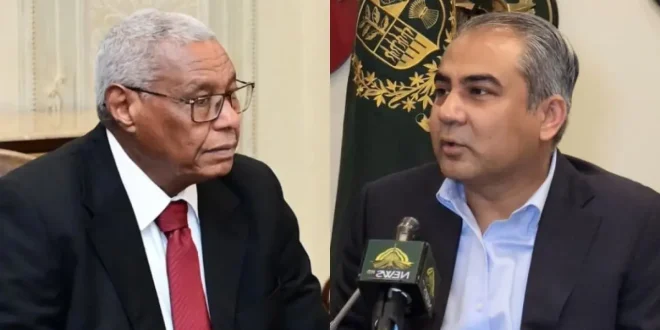
In a significant development for bilateral relations, Pakistan and Sudan have announced their decision to sign a Memorandum of Understanding (MoU) aimed at strengthening cooperation in combating cybercrime. This agreement stems from high-level delegation talks held in Islamabad between Pakistan’s Interior Minister Mohsin Naqvi and his Sudanese counterpart, Lt Gen Babiker Samra Mustafa Ali. The visiting Sudanese minister explicitly sought Pakistan’s expertise in tackling cyber threats, highlighting the growing global challenge of digital security.
Beyond cybercrime, the discussions underscored a broader commitment to enhancing collaboration across various sectors. Key areas identified for expanded cooperation include security, internal affairs, police training, institutional development, and civil registration processes, particularly through Pakistan’s renowned National Database and Registration Authority (NADRA). Pakistan has also expressed readiness to assist Sudan in peace-building, reconstruction efforts, and offering professional training to Sudanese police officers, alongside providing medical facilities to Sudanese citizens.
The Sudanese delegation’s visit also included crucial meetings with Pakistan’s Prime Minister Shahbaz Sharif and Chief of Army Staff Field Marshal Asim Munir, signaling a comprehensive diplomatic outreach to fortify ties across governmental and defense spectrums.
Background: A Region in Flux, A Partnership Reinforced
The decision to formalize cooperation between Pakistan and Sudan arrives at a particularly critical juncture for the African nation. Sudan has been engulfed in a devastating civil conflict since April 2023, primarily between the Sudanese Armed Forces (SAF) and the paramilitary Rapid Support Forces (RSF). This internal strife has led to a severe humanitarian crisis, widespread displacement, and a significant breakdown of state infrastructure and security. In such a volatile environment, the focus on “peace-building and reconstruction” and strengthening state functions like cybercrime combating and civil registration takes on profound importance, indicating Sudan’s long-term vision for stability and recovery.
Historically, Pakistan and Sudan share deep-rooted fraternal ties, often solidified through their common membership in the Organization of Islamic Cooperation (OIC) and a shared history of South-South cooperation. Pakistan has a long-standing tradition of supporting developing nations, particularly in Africa, through capacity building and technical assistance.
Pakistan’s expertise in digital identity management, primarily through NADRA, is globally recognized. NADRA has successfully implemented a robust biometric identification system for Pakistan’s vast population and has previously provided technical assistance to other countries, including Sudan, in civil registration processes. Similarly, Pakistan has developed considerable experience in cyber security and policing, necessitated by its own regional challenges and the increasing digitalization of its economy and government services. This track record makes Pakistan a natural and trusted partner for Sudan as it seeks to rebuild and modernize its institutions.
Impact on Pakistan: Beyond Diplomacy
This enhanced cooperation with Sudan offers multifaceted benefits for Pakistan, extending beyond mere diplomatic goodwill:
-
**Elevated Diplomatic Standing:**
By actively assisting a fellow Muslim-majority nation grappling with conflict and instability, Pakistan reinforces its image as a responsible and reliable partner in the developing world and within the OIC. This aligns with Pakistan’s broader foreign policy objectives of fostering regional peace and offering humanitarian assistance.
-
**Economic Opportunities for NADRA:**
The agreement explicitly mentions continued cooperation with NADRA. This not only validates NADRA’s technological prowess on an international stage but also opens avenues for further commercial engagements, offering Pakistan a revenue stream through expertise export in identity management and digital governance.
-
**Security Enhancement and Knowledge Sharing:**
Collaborative efforts in combating cybercrime and police training can lead to valuable intelligence sharing and the adoption of best practices. This direct interaction helps bolster Pakistan’s own national security capabilities against evolving cyber threats and transnational criminal networks.
-
**Soft Power Projection:**
Providing technical assistance, training, and healthcare facilities demonstrates Pakistan’s human resource capabilities and commitment to global solidarity. This soft power projection can translate into greater influence and goodwill across the African continent.
-
**Strategic Engagement:**
Engaging with African nations is a strategic imperative for Pakistan to diversify its diplomatic and economic partnerships, moving beyond traditional alliances and tapping into emerging markets and geopolitical alignments.
Analysis: A Strategic Partnership Forged in Crisis
The decision to sign a comprehensive MoU, particularly at a time when Sudan is reeling from internal conflict, speaks volumes about the strategic considerations at play. For Sudan, seeking assistance from Pakistan signifies a search for reliable, non-Western partners who can offer practical, cost-effective solutions for state-building and security without the conditionalities often associated with aid from more traditional donors. The emphasis on “peace-building and reconstruction” from Pakistan’s side is a direct acknowledgement of Sudan’s most pressing needs, indicating a partnership geared towards long-term stability rather than just immediate crisis response.
The cybercrime MoU, while a headline item, appears to be a crucial entry point for a much broader engagement. The array of agreed-upon cooperation areas—from general security and police training to civil registration and healthcare—underscores a holistic approach to strengthening Sudan’s institutional fabric. NADRA’s continued role is particularly significant; a functional and secure digital identity system is foundational for governance, economic development, and even post-conflict reconciliation and elections. It provides a robust framework for citizenship verification and service delivery, critical for a country emerging from chaos.
This collaboration also highlights Pakistan’s evolving role on the global stage. Once largely a recipient of aid and assistance, Pakistan is increasingly positioning itself as a provider of specialized services and expertise, particularly in areas like digital identity and security, where it has developed homegrown solutions. It’s a testament to Pakistan’s “Look Africa” policy, aiming to strengthen its footprint and influence on the continent.
However, the successful implementation of this MoU will heavily depend on the evolving situation within Sudan. Sustained peace and a functioning, legitimate government are paramount for any long-term cooperation to bear fruit. Pakistan, while offering assistance, must navigate the complexities of Sudan’s internal dynamics cautiously, ensuring its efforts genuinely contribute to stability without being perceived as interference.
In conclusion, this impending MoU is more than just a cooperation agreement on cybercrime; it represents a strategic decision by both Pakistan and Sudan to deepen their fraternal bonds and leverage Pakistan’s proven expertise for Sudan’s critical needs. It’s a pragmatic partnership, potentially laying groundwork for Sudan’s future stability and significantly boosting Pakistan’s diplomatic and economic standing in Africa and beyond.
“`