Dost Pakistan Journeys Tours and safaris in the North & South Pakistsn
Related Articles



Pakistan’s Leadership Reaffirms Minority Rights: A Deep Dive into Diwali Greetings and Their Significance
Published: [Insert Current Date Here]
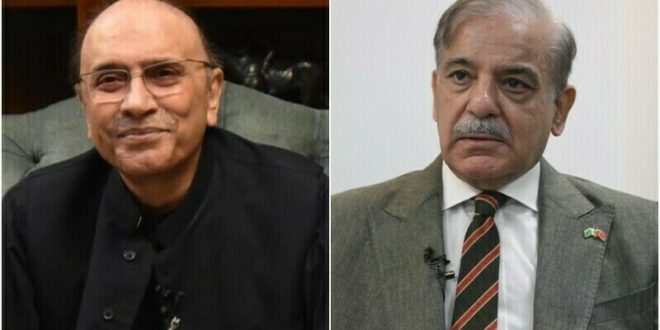
In a significant gesture of inclusivity, President Asif Ali Zardari and Prime Minister Shehbaz Sharif recently extended their heartfelt felicitations to the Hindu community in Pakistan and globally on the occasion of Diwali, the revered ‘Festival of Lights.’ Their messages went beyond customary greetings, strongly emphasizing the government’s steadfast commitment to protecting minority rights, fostering interfaith harmony, and nurturing a culture of peaceful coexistence across the nation. Prime Minister Shehbaz Sharif highlighted Diwali’s profound message of promoting peace and hoping for a bright future, identifying the Hindu community as an invaluable and integral part of Pakistan’s rich national fabric. He reiterated the constitutional guarantees safeguarding the religious and civil liberties of minorities, affirming the government’s dedication to ensuring equal dignity and freedom for all citizens, irrespective of their religious or ethnic background. Concurrently, President Zardari focused on Diwali’s core symbolism of the triumph of good over evil and light over darkness. He commended the substantial contributions of Pakistan’s Hindu community across various sectors—from education and healthcare to business and public service—and invoked the vision of Pakistan’s founder, Quaid-i-Azam Mohammad Ali Jinnah, for an egalitarian nation where all citizens enjoy equal rights and a strong sense of belonging, free from any form of discrimination. To fully grasp the implications of these high-level pronouncements, it is crucial to understand both the cultural essence of Diwali and the historical-social context of minority rights within Pakistan. Diwali, derived from the Sanskrit word ‘Deepavali,’ meaning “row of lights,” stands as one of Hinduism’s most cherished and widely observed festivals. Spanning five days, it spiritually symbolizes the victory of light over darkness, good over evil, and knowledge over ignorance. Celebrations are vibrant, typically involving the lighting of lamps (diyas) and candles, sharing sweets, spectacular fireworks, and devout prayers. While various legends surround its origin, a prominent narrative commemorates Lord Rama’s triumphant return to Ayodhya after his 14-year exile, ushering in an era of prosperity. It is also a significant time for invoking Lakshmi, the goddess of wealth, symbolizing new beginnings and auspicious blessings. Pakistan was founded with a constitutional framework designed to protect the rights of all its citizens, including religious minorities. Quaid-i-Azam Jinnah, in his seminal address on August 11, 1947, famously declared:
“You are free; you are free to go to your temples, you are free to go to your mosques or to any other place of worship in this State of Pakistan. You may belong to any religion or caste or creed — that has nothing to do with the business of the State.”
This foundational vision promised an inclusive state. The Constitution of Pakistan explicitly guarantees fundamental rights for all citizens, including freedom of religion and protection from discrimination. However, the journey since independence has presented a complex reality. Despite these constitutional assurances, religious minorities, particularly the Hindu community—which constitutes the largest non-Muslim population in Pakistan—have often faced significant challenges. These include: It is against this nuanced backdrop that the official messages from Pakistan’s top leadership become particularly pertinent, signaling a recommitment to foundational principles amidst ongoing struggles. The consistent emphasis on minority rights and interfaith harmony by President Zardari and Prime Minister Sharif carries significant implications for Pakistan, influencing both its domestic social fabric and international standing. The Diwali greetings from Pakistan’s leadership are undeniably a positive and necessary component of state communication. They project an image of inclusivity and adherence to constitutional principles that are fundamental for any modern, diverse nation. However, a comprehensive analysis necessitates an honest assessment of the persistent gap between this commendable rhetoric and the complex realities often experienced by religious minorities on the ground. The repeated invocation of Quaid-i-Azam Jinnah’s vision for an egalitarian state is a powerful reference to Pakistan’s foundational ideals. It acts as a moral and legal benchmark against which the nation’s progress in upholding minority rights is, and should be, continually measured. Yet, for many members of the Hindu community, daily life can still be characterized by vulnerability to discrimination, socio-economic challenges, and insecurity. Critical issues like forced conversions, the equitable application of blasphemy laws, and the protection of religious sites remain significant hurdles that demand more than just verbal assurances. These official statements are crucial for several reasons: For these messages to translate into tangible, lasting improvements, they must be rigorously supported by robust policy implementation, strong judicial protection, educational reforms that actively promote tolerance, and sustained grassroots efforts to combat prejudice and discrimination. The true measure of Pakistan’s commitment to minority rights will ultimately reside not merely in the warmth of its Diwali greetings, but in the everyday experiences of its Hindu citizens and their unhindered ability to live freely, equally, and without fear. In conclusion, the leadership’s Diwali greetings are a welcome and essential affirmation of Pakistan’s constitutional promises and Jinnah’s inclusive vision. The ongoing challenge, and indeed the imperative work, lies in ensuring that the symbolic light of Diwali genuinely dispels the shadows of discrimination and inequality for all of Pakistan’s citizens, transforming the nation’s celebrated diversity into a lived and robust strength.The News: A Message of Unity and Respect on Diwali
Background: Understanding Diwali and Pakistan’s Minority Landscape
The Spiritual and Cultural Significance of Diwali
Minority Rights in Pakistan: Constitutional Ideals vs. Ground Realities
Impact on Pakistan: Fostering Cohesion and Shaping Perceptions
Analysis: Bridging the Divide Between Rhetoric and Reality
“`