Dost Pakistan Journeys Tours and safaris in the North & South Pakistsn
Related Articles

“`html
Pakistan Fuel Price Reduction: A Glimmer of Relief Amidst Economic Volatility
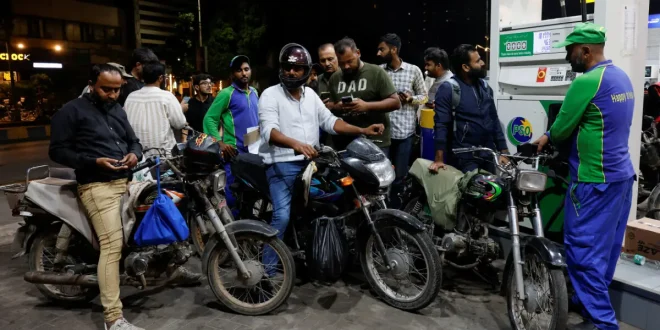
Islamabad, November 25, 2026 – In a move offering a modicum of relief to citizens, the Pakistani government, through the Oil and Gas Regulatory Authority (OGRA), announced a reduction in fuel prices. Petrol saw a decrease of Re1 per litre, bringing its retail price to Rs318, while diesel experienced a more significant cut of Rs4 per litre, settling at Rs353 per litre for November 25. This adjustment comes after a period of extreme volatility, where fuel costs reached unprecedented highs, deeply impacting the nation’s economic landscape and household budgets.
Navigating a Turbulent Energy Landscape: The Background
The recent price adjustments are set against a backdrop of significant geopolitical and economic pressures that have dominated Pakistan’s energy sector throughout 2026. The year began with relatively stable fuel prices, with petrol at Rs266.17 and diesel at Rs280.86 per litre on February 28. However, the outbreak of what the chart describes as the “US-Iran war” – more broadly understood as escalated geopolitical tensions and renewed hostilities in the Middle East, particularly around the crucial Strait of Hormuz – triggered an immediate and dramatic surge in global oil prices. Pakistan, heavily reliant on imported crude oil, felt the immediate brunt of this international crisis.
The impact was stark: by April 3, petrol prices had skyrocketed to an all-time high of Rs458.41 per litre, and diesel peaked at an alarming Rs520.35 per litre. This sharp upward trajectory from pre-crisis baselines sent shockwaves through the economy, fueling inflation and exacerbating the cost of living crisis for ordinary Pakistanis. The graph clearly illustrates this dramatic spike, followed by fluctuating attempts at stabilization.
Government’s Evolving Response
Recognizing the severity of the situation, the government implemented several measures to manage the crisis:
- Shift to Daily Pricing: From July 17, 2026, Pakistan transitioned from weekly revisions to a daily fuel pricing mechanism. This was a direct response to the heightened international market volatility, aiming to more accurately reflect global price fluctuations and potentially allow for quicker downward adjustments when international prices cooled.
- Targeted Subsidies: In September, the Prime Minister’s Fuel Relief Scheme was launched, offering subsidies to owners of motorcycles, rickshaws, and vehicles up to 800cc. This was a crucial intervention to protect the most vulnerable segments of society and those essential for local transportation.
- Refinery Contributions: More recently, an innovative arrangement on November 2 saw oil refineries agreeing to collectively contribute Rs15 billion to the petroleum levy for 30 days. This allowed for a substantial reduction in petrol prices at the consumer level, demonstrating a concerted effort involving multiple stakeholders.
- Austerity Measures: Beyond price controls, the government reintroduced austerity measures, mandating early market closures by 9 pm and slashing fuel allocations for official vehicles by 50% for three months. These steps aimed at fuel conservation and reducing the national oil import bill.
Despite these efforts, the government continues to levy significant taxes and duties on fuel, amounting to Rs114 per litre on petrol and Rs100 per litre on diesel. These levies are a critical source of national revenue, highlighting the tightrope walk between providing consumer relief and maintaining fiscal health.
Impact on Pakistan: A Ripple Effect
The volatility in fuel prices has had a profound and widespread impact across Pakistan:
- Inflationary Pressures: High diesel prices directly translate to increased transportation costs for goods, impacting supply chains and driving up food and commodity prices. Petrol price hikes, similarly, affect personal mobility and the cost of essential services. This broad inflationary pressure erodes purchasing power and exacerbates poverty.
- Burden on Consumers: The middle and lower-middle classes, who heavily rely on motorcycles, rickshaws, and small cars for daily commutes and livelihoods, are disproportionately affected by petrol price increases. Similarly, the entire populace feels the pinch of higher diesel prices through increased costs of public transport, power generation, and agricultural activities.
- Economic Stability: Pakistan’s substantial oil import bill strains its foreign exchange reserves, contributing to currency depreciation and external debt concerns. Sustained high global oil prices pose a direct threat to the nation’s economic stability and growth prospects.
- Government’s Fiscal Challenge: The government faces immense pressure to balance consumer relief with fiscal responsibility. Subsidies, while necessary for public welfare, place a burden on the national exchequer, potentially diverting funds from other critical development sectors.
Analysis: A Moment of Respite or a Sustainable Trend?
The recent fuel price reduction, though modest for petrol, offers a much-needed psychological and economic breather. The Rs4 cut in diesel price is particularly significant, as diesel is a primary fuel for heavy transport, agriculture, and industrial power generation. A reduction here can have a broader positive impact on controlling inflation, even if marginal.
The move towards daily pricing by OGRA reflects a pragmatic approach to managing extreme market volatility, allowing for more dynamic responses to international trends. This mechanism, combined with the refinery contribution scheme, indicates a more proactive and collaborative strategy in managing fuel prices rather than simply absorbing external shocks.
However, the question remains whether this reduction signifies a sustainable downward trend or merely a temporary respite. Pakistan’s vulnerability to geopolitical events in the Middle East and fluctuations in the international crude oil market means that domestic prices will remain largely dictated by external factors. The underlying tensions that caused the initial price spikes have not entirely dissipated, suggesting that future volatility cannot be ruled out.
Furthermore, the high petroleum levy remains a significant component of the final consumer price. While essential for revenue generation, it also limits the extent to which local prices can be reduced, even when international oil prices fall substantially below peak levels. The government’s continued reliance on these levies underscores its ongoing fiscal challenges.
In conclusion, while the recent reduction is a welcome development for Pakistani consumers and businesses, it serves as a stark reminder of the nation’s delicate energy situation. Sustainable stability will require a multi-faceted approach, including continued vigilance over international oil markets, strategic diversification of energy sources, long-term economic reforms to strengthen the rupee, and thoughtful fiscal management to balance revenue needs with consumer affordability. For now, this small relief offers a brief moment to catch breath in a year marked by economic turbulence.
“`