Dost Pakistan Journeys Tours and safaris in the North & South Pakistsn
Related Articles


“`html
Pakistan’s Blasphemy Laws: Punjab Assembly Seeks Harsher Penalties for Section 298-A
The News: Punjab Assembly Seeks Harsher Blasphemy Penalties
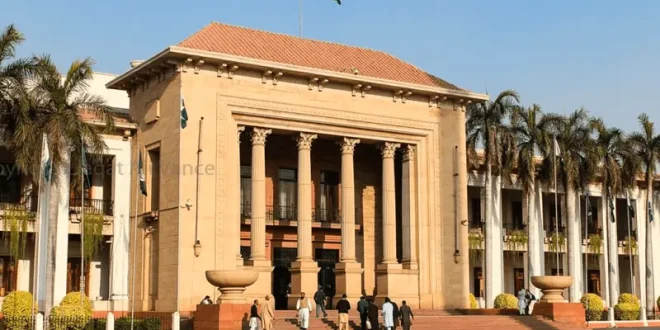
The Punjab Assembly recently passed a unanimous resolution calling for stricter punishments under Section 298-A of the Pakistan Penal Code (PPC). This section addresses the use of derogatory remarks against holy personages, specifically the wives, family members, righteous Caliphs, or companions of the Holy Prophet (peace be upon him).
Currently, Section 298-A mandates imprisonment of up to three years, a fine, or both. However, the resolution, tabled by opposition MPA Rana Aurangzaib, argued that this existing penalty is “insufficient” given the profound hurt it inflicts on religious sentiments. The provincial legislature has urged the federal government to prioritize new legislation to increase the penalty, emphasizing the need to uphold religious sanctity and foster social peace.
This move isn’t without precedent. In August 2023, the federal Parliament had already passed the Criminal Law (Amendment) Bill 2023, aiming to elevate the punishment for Section 298-A offenses to a minimum of 10 years in jail. However, this bill was subsequently returned by then-President Arif Alvi, effectively stalling its implementation. The Human Rights Commission of Pakistan (HRCP) had voiced significant concerns at the time, highlighting that the proposed changes would make obtaining statutory bail considerably more challenging for the accused, converting it from a legal right to a discretionary power of the court. HRCP also critically noted the prevalent misuse of blasphemy laws, often driven by pressure from religious clerics, personal vendettas, or attempts to preempt mob violence sparked by mere allegations.
Background: Pakistan’s Blasphemy Laws and Their Evolution
To understand the full implications of the Punjab Assembly’s resolution, it’s crucial to contextualize Pakistan’s broader legal framework surrounding blasphemy. The country’s blasphemy laws are among the harshest globally, primarily codified under various sections of the Pakistan Penal Code, notably 295-B, 295-C, 298, and 298-A. While some of these provisions date back to the colonial era, their draconian nature was significantly enhanced during the Islamisation drive of General Zia-ul-Haq in the 1980s.
- Section 295-C, which criminalizes derogatory remarks against the Holy Prophet (PBUH), carries a mandatory death penalty.
- Section 295-B pertains to defiling the Holy Quran, punishable by life imprisonment.
- Section 298 targets individuals of the Ahmadiyya community, prohibiting them from “posing as Muslims” or “offending Muslim sentiments.”
- Section 298-A, the focus of the current resolution, specifically protects revered figures in Islamic tradition, such as the companions and family of the Holy Prophet.
These laws are deeply embedded in Pakistan’s socio-political fabric, often invoked amidst intense religious fervor. The issue of blasphemy is extraordinarily sensitive in the predominantly Muslim nation, where even unproven allegations can trigger widespread protests, vigilantism, and mob violence. Religious organizations and influential clerics frequently exert considerable pressure on the state to maintain and even toughen these laws, viewing them as essential for protecting religious honor and faith.
The 2023 Criminal Law (Amendment) Bill, which President Alvi returned, represented a federal attempt to increase penalties for Section 298-A. This earlier legislative effort and the subsequent presidential veto, alongside the current provincial resolution, underscore a persistent societal and political drive to reinforce the severity of blasphemy laws, often at the expense of procedural justice and human rights considerations, as highlighted by civil society groups like HRCP.
Potential Impact on Pakistan: A Deeper Chill on Rights and Harmony
The potential enactment of harsher penalties under Section 298-A, as proposed by the Punjab Assembly, carries significant implications for Pakistan’s legal system, social cohesion, and international standing.
- Exacerbated Misuse and Vulnerability: As noted by HRCP, blasphemy laws are frequently exploited for personal vendettas, land disputes, or sectarian conflicts. Increasing the severity of punishment under Section 298-A without addressing the systemic issues of false accusations and biased investigations will only amplify the risks for vulnerable individuals, including minorities and those perceived to hold dissenting views. It creates an even more potent weapon for malicious actors.
- Chilling Effect on Freedom of Expression: The already palpable fear of blasphemy accusations casts a long shadow over freedom of speech, academic discourse, and religious debate in Pakistan. Harsher penalties for Section 298-A will deepen this chilling effect, further stifling open discussion and critical thought, which are vital for societal progress and reform.
- Increased Sectarian Tensions: Section 298-A specifically protects figures revered across different Islamic sects. While intended to promote harmony, heightened penalties could ironically inflame sectarian divisions. Disagreements over interpretation or inadvertent remarks could be weaponized, leading to more volatile disputes and potentially encouraging a “race to the bottom” in terms of religious piety.
- Legal and Judicial Strain: Introducing tougher penalties, especially those that make bail discretionary rather than a right, places immense pressure on the judiciary. Judges and legal practitioners often face threats and intimidation when handling blasphemy cases. Such changes could lead to longer pre-trial detentions, overwhelming courts, and potentially compromising fair trial standards due to fear and pressure.
- International Scrutiny: Pakistan’s blasphemy laws have long been a subject of international human rights concern. Further tightening these statutes will undoubtedly invite renewed criticism from global human rights organizations and international bodies, potentially impacting Pakistan’s diplomatic relations and its efforts to project a progressive image on the world stage.
In essence, while the resolution aims to protect religious sentiments, its practical outcome might be a further erosion of human rights, an increase in social discord, and a deepening sense of insecurity for many citizens.
Analysis: Navigating Religious Sanctity and Human Rights in Pakistan
The unanimous resolution by the Punjab Assembly to toughen blasphemy penalties reflects a deeply entrenched societal and political reality in Pakistan: the paramount importance placed on religious sanctity. For many, protecting the honor of holy personages is a non-negotiable aspect of their faith, and any perceived affront is met with profound emotional and social outrage. The political class, often sensitive to public sentiment and the influence of religious factions, frequently responds by advocating for stricter enforcement and punishment of blasphemy laws, viewing it as a path to maintain social order and demonstrate religious devotion.
However, this approach presents a stark dilemma. While the desire to uphold religious reverence is understandable, the current application and proposed intensification of blasphemy laws frequently clash with fundamental human rights principles, including freedom of expression, due process, and the right to a fair trial. Critics, including human rights advocates, argue that focusing solely on increasing penalties fails to address the fundamental flaws in the system: the ease with which false accusations are made, the absence of robust investigative mechanisms, and the pervasive culture of impunity that often surrounds mob violence linked to blasphemy allegations.
The HRCP’s concerns regarding discretionary bail are particularly poignant. Removing statutory bail essentially pre-judges the accused, assuming guilt and making it harder for innocent individuals to defend themselves against charges that can be life-threatening. Instead of deterring misuse, such measures could empower those who exploit the laws for personal gain or to silence opponents. A truly effective legislative response would focus on:
- Preventing False Accusations: Implementing stricter penalties for those who bring false blasphemy charges.
- Ensuring Due Process: Strengthening investigative procedures to prevent mob justice and guarantee fair trials.
- Judicial Independence: Protecting judges and legal counsel from intimidation to ensure unbiased rulings.
- Promoting Dialogue: Fostering public discourse on responsible religious expression and the dangers of vigilantism.
The Punjab Assembly’s resolution, while a reflection of powerful religious sentiments and political expediency, risks deepening Pakistan’s human rights crisis. It underscores a persistent struggle to reconcile the demands of religious conservatism with the imperatives of modern legal systems and fundamental liberties. As the federal government considers this provincial plea, it faces the complex challenge of balancing religious piety with the urgent need to protect its citizens from the misuse of law and the escalating threat of extremism, which, paradoxically, can be fueled rather than quelled by increasingly punitive legislation.
“`