Dost Pakistan Journeys Tours and safaris in the North & South Pakistsn
Related Articles
“`html
Karachi Gridlock: Protests, Provincial Autonomy, and Pakistan’s ‘System Reset’ Debate
A recent protest in Karachi, leading to significant traffic disruption, highlighted the escalating tensions surrounding proposed changes to Pakistan’s administrative structure. Beyond the immediate inconvenience, this incident underscores deep-seated political and identity conflicts with far-reaching implications for the nation’s stability and governance.
The News: A City Stalled by Political Demands
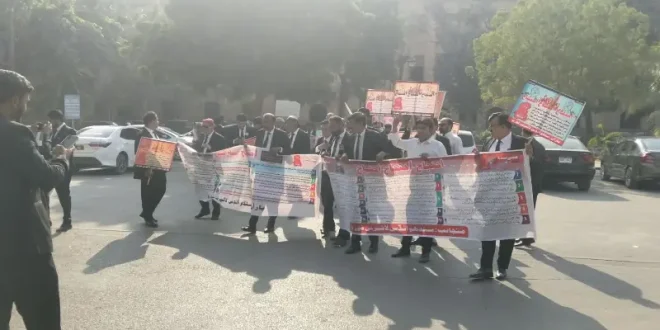
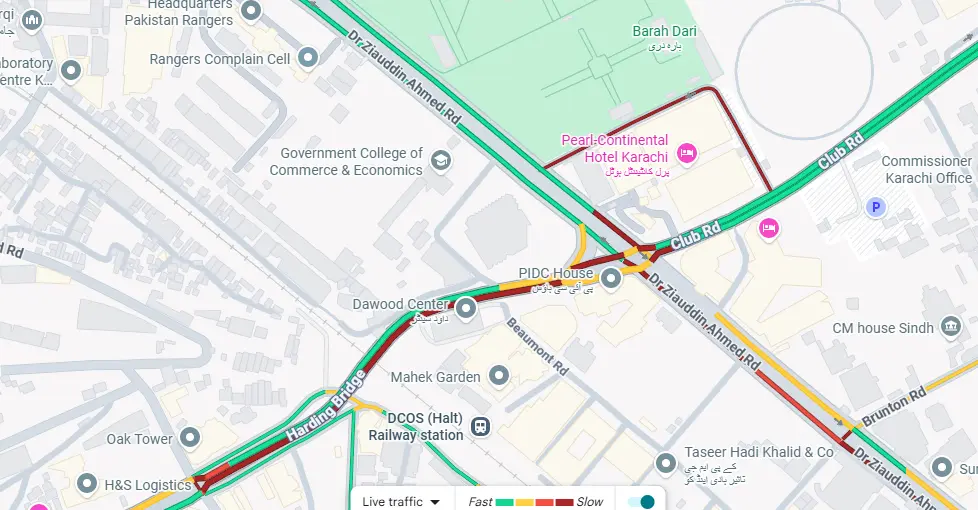
On a recent Tuesday, commuters in Karachi’s bustling Saddar area faced hours of frustrating traffic congestion as key arteries around the PIDC junction were closed. The disruption, which spanned much of the day, was a direct result of a sit-in organized by the Sindh Indus Lawyers Forum (SILF) outside the Sindh High Court, accompanied by a rally through prominent city routes towards the Chief Minister’s House. Traffic police had to issue alerts and divert vehicles, turning vital economic lifelines like Dr. Ziauddin Ahmed Road into bottlenecks before finally reopening them by late afternoon.
SILF’s protest was driven by a comprehensive set of 16 demands under the banner of ‘Sindh Demands’. Central to these was a staunch opposition to any division of Sindh and the construction of the Jalalpur Canal. Other significant grievances included alleged irregularities within the Sindh Public Service Commission, purported government interference in lawyers’ bar associations, calls to halt corporate farming and mining activities in the ecologically sensitive Karoonjhar mountain, and the release of political prisoners.
Background: The Deep Roots of the ‘System Reset’ Debate
The recent protests are not isolated incidents but rather a significant manifestation of a simmering national debate over a “system reset” in Pakistan. This contentious discussion gained momentum months prior when Interior Minister Mohsin Naqvi advocated for the creation of new administrative units, arguing that the existing governance structure had “collapsed” and was in dire need of reform. Subsequently, the PML-N-led federal government has pushed for a countrywide referendum on establishing new provinces or administrative units, ostensibly to improve governance and address regional disparities.
However, this proposal has met with fierce resistance, particularly from the Pakistan Peoples Party (PPP), a key ally of the federal government. PPP Chairman Bilawal Bhutto-Zardari has vehemently opposed any “forced” attempt to divide existing provinces, especially Sindh, warning of potential “bloodshed.” This strong reaction stems from deep historical grievances and a robust Sindhi nationalist sentiment that views the province’s territorial integrity as non-negotiable.
The proposed constitutional amendments, possibly referring to the 26th and 27th Amendments mentioned by SILF, add another layer of complexity, though no official new amendment has been formally presented. This context explains why organizations like SILF and others, such as the Jeay Sindh Rahbar Committee — an alliance of nationalist parties that recently organized a large rally in Karachi — are mobilizing against perceived threats to Sindh’s historical and cultural identity and its administrative boundaries. Their demands often extend beyond provincial division to issues of resource control, governance transparency, and social justice, reflecting a broader dissatisfaction with the status quo.
Impact on Pakistan: Beyond the Traffic Jams
The implications of such protests and the underlying “system reset” debate extend far beyond temporary traffic disruptions in Karachi:
- Heightened Political Instability: The clash of views between federal proponents of new administrative units and provincial opponents, particularly the PPP, strains inter-party relations and threatens the fragile political consensus. This can destabilize the governing coalition and undermine efforts towards broader national reforms.
- Erosion of National Cohesion: Debates over provincial boundaries and ethnic identities are inherently sensitive in Pakistan, a country forged from diverse linguistic and cultural groups. Pushing for such divisions without broad consensus risks fragmenting society and exacerbating inter-provincial distrust.
- Economic Disruption: Karachi, as Pakistan’s largest city and economic hub, bears the brunt of such disruptions. Road closures impede commerce, deter investment, and negatively impact daily economic activity, costing businesses and individuals valuable time and resources.
- Challenging Governance and Rule of Law: While the right to protest is fundamental, frequent road closures pose a challenge to maintaining public order and facilitating daily life. Authorities face the delicate balance of upholding civil liberties while ensuring public safety and preventing widespread inconvenience.
- Mobilization of Nationalist Sentiments: The “system reset” debate has evidently galvanized nationalist groups in Sindh, who perceive it as an existential threat. This mobilization can lead to more frequent and potentially larger-scale protests, escalating the political temperature.
Analysis: The Interplay of Identity, Governance, and Power
The recent protest in Karachi, while seemingly a localized event, serves as a potent symbol of the intricate web of challenges facing Pakistan. It’s a snapshot reflecting the interplay of identity politics, calls for administrative reform, and the perennial struggle for provincial autonomy.
Karachi’s Strategic Role: That such a protest takes place in Karachi is no coincidence. As a melting pot of ethnic groups and the economic heartland of Pakistan, Karachi is often the battleground for issues related to Sindh’s identity and future. Its unique demographic composition and significant economic contribution make it a pivotal point in any discussion about provincial boundaries or administrative changes.
The “System Reset” as a Double-Edged Sword: The idea of a “system reset” or creating new administrative units could, in theory, improve governance by bringing administration closer to the people and addressing development disparities. However, when proposed without inclusive dialogue and consensus, particularly regarding existing provinces, it can be perceived as a power grab or an attempt to dilute the influence of certain provincial power centers. For provinces like Sindh, with a strong historical and cultural identity, any talk of division immediately triggers fears of marginalization and resource control, harking back to historical grievances.
Provincial Autonomy and the 18th Amendment: The context of the 18th Amendment, which significantly devolved powers to the provinces, is critical here. After years of demanding greater autonomy, provincial governments and nationalist parties are highly protective of their constitutional gains. Any move perceived as undermining provincial authority, such as creating new units, is likely to be met with fierce resistance, as it challenges the existing federal structure and power distribution.
Beyond Borders: Deeper Discontent: SILF’s demands, extending to issues like SPSC irregularities, judicial independence, and environmental concerns like Karoonjhar mining, point to a deeper malaise. These are not just about provincial borders; they reflect widespread dissatisfaction with governance, accountability, and the perceived exploitation of provincial resources. The reference to “corporate farming and mining” in Karoonjhar, a significant cultural and ecological site for Sindhis, underscores concerns about economic justice and environmental protection, often seen as neglected by central authorities or exploited by powerful interests.
The Road Ahead: Dialogue vs. Division: Bilawal Bhutto-Zardari’s stark warning of “bloodshed” highlights the perilous nature of this debate. Unilateral decisions or attempts to impose administrative changes without broad political and public buy-in risk igniting severe social unrest. For Pakistan to navigate this sensitive issue, a robust and inclusive national dialogue is essential. This conversation must move beyond mere political point-scoring to genuinely address concerns about governance, resource allocation, and identity, ensuring that any proposed reforms are perceived as equitable and beneficial for all segments of society, rather than a threat to any single province.
“`