Dost Pakistan Journeys Tours and safaris in the North & South Pakistsn
Related Articles


“`html
Containers to stay off roads as transporters remain divided: An Analysis of Pakistan’s Supply Chain Crisis
A recent development in Pakistan’s vital logistics sector has seen a partial resolution to a nationwide “wheel-jam” strike by goods transporters. While some factions have returned to work after reaching agreements with the government, a significant portion of the transport industry, particularly those operating large container trailers, heavy trucks, and edible oil tankers, continues to protest. This division prolongs a critical disruption to Pakistan’s external trade and domestic supply chains, underscoring deeper systemic issues within the country’s economic framework.
The News: A Divided Front and Partial Truce
The strike, initiated by various goods transporters’ alliances, aimed to pressure the government into addressing long-standing demands related to operating costs and regulations. On Friday, the Pakistan Transport Council, a constituent of the All Pakistan Goods Transporters Alliance, announced it had called off its strike. This decision followed what they described as successful negotiations with a government committee, resulting in the acceptance of eight immediate demands. These concessions included a one-year freeze on toll taxes, the removal of certain additional toll plazas, and the immediate release of vehicles detained under SRO 1619 against bank guarantees.
Simultaneously, the Oil Tankers Contractors Association, representing fuel oil transporters, also dissociated itself from the strike. Their decision came after the Oil and Gas Regulatory Authority (Ogra) agreed to an increase in freight charges, a long-delayed adjustment. This development ensures the continued movement of crucial fuel supplies across the country.
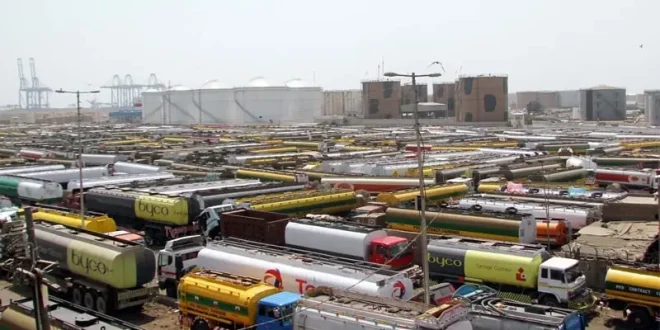
However, the sense of resolution is far from complete. Major operators, crucial for inter-provincial trade and port clearances, remain off the roads. The All Pakistan Goods Transport Owners Association, representing container trailers and heavy trucks, asserted that only a segment had broken ranks and their key demands remain unmet. Similarly, edible oil tankers continue their strike, impacting the supply of essential commodities like palm oil and palm olein from ports to factories. These groups accuse the government of playing politics and using negotiations as a delaying tactic, with another meeting scheduled to address their unresolved grievances.
Background: The Unfolding Crisis in Pakistan’s Logistics
The goods transport sector forms the backbone of Pakistan’s economy, responsible for moving everything from imported raw materials and consumer goods from Karachi and Port Qasim to inland markets, to exporting agricultural produce and manufactured goods. This intricate network is operated by a diverse group of associations, each with specific operational needs and financial pressures.
Transporter strikes are not an uncommon feature in Pakistan’s economic landscape. They typically stem from a fundamental mismatch between escalating operational costs and inadequate freight charges. Key cost drivers include:
- Fuel Prices: Highly volatile and a significant portion of a transporter’s expenditure. Pakistan, as a net importer of oil, is vulnerable to global price fluctuations, often exacerbated by currency depreciation.
- Toll Taxes and Levies: Frequent increases or the imposition of new taxes can erode profit margins, especially for long-haul routes. Demands for rationalization of toll plazas and modernization of collection systems highlight administrative inefficiencies.
- Regulatory Hurdles: Issues like vehicle detentions, perceived arbitrary fines, and bureaucratic red tape contribute to operational costs and frustration.
- Aging Infrastructure: While some road networks have improved, overall infrastructure often falls short, leading to higher maintenance costs for vehicles and longer transit times.
These issues are amplified against the backdrop of Pakistan’s broader economic challenges, including high inflation, a depreciating currency, and a persistent balance of payments crisis. Businesses across sectors are struggling with rising input costs, and the government faces immense pressure to manage fiscal deficits while trying to stimulate economic growth. In this environment, any increase in freight charges or reduction in taxes for transporters directly impacts the national exchequer or consumer prices, creating a difficult balancing act for policymakers.
Impact on Pakistan: A Stalled Economy and Inflated Costs
The ongoing partial strike, particularly by major haulers, has severe repercussions for Pakistan’s economy and its citizens:
- Supply Chain Gridlock: The most immediate impact is the disruption of the national supply chain. Goods, both imported and destined for export, are stranded at ports or unable to move between provinces. This leads to bottlenecks, delays, and a cascading effect on industries reliant on timely delivery of raw materials.
- Port Congestion and Costs: With container trailers off the roads, Karachi Port and Port Qasim face significant congestion. This can lead to demurrage charges for vessels and containers, ultimately increasing the cost of imports and making Pakistani exports less competitive.
- Inflationary Pressure: Delays and shortages of goods, especially essentials like edible oil, invariably lead to price hikes. This exacerbates the already high inflation rate, further burdening ordinary citizens.
- Damage to Trade: Exports are delayed, potentially leading to missed deadlines and cancellation of orders, hurting Pakistan’s foreign exchange earnings. Imports crucial for industrial production also face delays, impacting manufacturing output.
- Business Losses: Manufacturers, retailers, and trading companies suffer significant financial losses due to disrupted operations, unmet commitments, and increased holding costs. The uncertainty also deters new investment.
- Investor Confidence: Frequent disruptions to vital economic arteries negatively impact investor confidence, both domestic and foreign, signaling instability in the business environment.
Analysis: A Fragmented Solution and Persistent Challenges
The government’s strategy of negotiating with different transporter factions appears to be a double-edged sword. On one hand, securing agreements with groups like the Pakistan Transport Council and the fuel oil tankers has mitigated some immediate crises, ensuring the flow of certain essential goods and demonstrating a willingness to engage. This approach has also effectively fragmented the “All Pakistan Goods Transporters Alliance,” weakening the collective bargaining power of the striking groups.
However, this segmented approach also highlights the underlying divisions within the transport community itself. The interests of smaller goods carriers, fuel oil transporters, and specialized edible oil contractors can differ significantly from those operating large, inter-provincial container trailers and heavy-duty trucks. While the former might find relief in concessions like toll tax freezes or incremental freight adjustments, the latter often grapple with more substantial issues related to the sheer scale of their operations, long-term contractual rates, and heavy vehicle specific regulations. The accusation that the government is “playing politics” rather than addressing core issues resonates with the groups whose “key demands” remain unmet.
The current situation underscores the urgent need for a more holistic and sustainable approach to Pakistan’s logistics sector. Relying on ad-hoc negotiations and short-term fixes during crises is inefficient and costly. The government must move beyond firefighting and develop a comprehensive policy framework that addresses:
- Transparent Freight Pricing Mechanism: Establishing a fair, transparent, and regularly adjusted freight pricing model that accounts for fuel costs, maintenance, taxes, and inflation could prevent future disputes.
- Infrastructure Modernization: Continued investment in road networks, streamlining toll collection (e.g., through automated systems), and improving port efficiency can reduce operational burdens for transporters.
- Regulatory Reform: Simplifying regulations, ensuring fair enforcement, and creating a consultative mechanism for policy changes within the transport sector would build trust.
- Unified Dialogue Platform: Facilitating a single, representative platform for dialogue between the government and all major transport associations could lead to more enduring solutions rather than piecemeal agreements.
As the country approaches another round of negotiations, the stakes remain high. A continued impasse with major container and truck operators will deepen the economic malaise, while a genuinely sustainable resolution could unlock significant potential for Pakistan’s trade and economic growth. The challenge lies in converting short-term concessions into long-term policy reforms that benefit both the transporters and the national economy.
“`