 Dost Pakistan Journeys Tours and safaris in the North & South Pakistsn
“`html
Pakistan’s Fuel Price Tightrope: Daily Adjustments Amidst Global Volatility
Pakistan’s recent adjustment to fuel prices—a marginal reduction in petrol and an increase in high-speed diesel (HSD)—signals a continued navigation of volatile global energy markets. This move, implemented under a newly adopted daily pricing mechanism, reflects the intricate balance the government seeks to strike between economic stability, public relief, and fiscal sustainability, particularly in the wake of renewed geopolitical tensions.
The Latest Fuel Price Adjustments
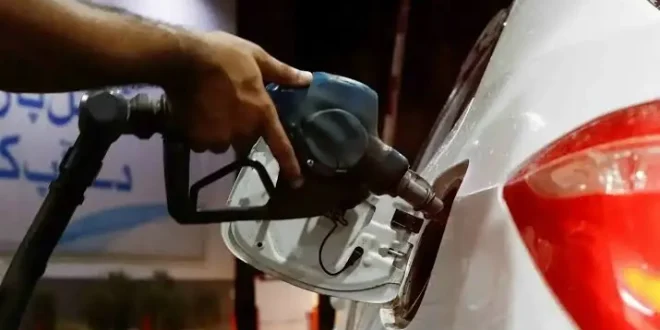
Effective August 12, 2026, the Pakistani government announced a slight decrease in the price of petrol, bringing it down by Rs1.70 to Rs325.92 per litre. Conversely, consumers will now pay an additional Rs1.39 per litre for high-speed diesel (HSD), pushing its price to Rs382.25 per litre. These adjustments are not merely routine; they represent the country’s first application of a new daily fuel pricing system, replacing the previous weekly revisions.
Background: A Year of Unprecedented Volatility
The decision to shift to daily price adjustments comes after a period of intense instability in global oil markets, profoundly impacting Pakistan. The crisis began in late February 2026 with the outbreak of the US-Iran war and the subsequent Strait of Hormuz crisis. This geopolitical upheaval triggered a dramatic surge in crude oil prices, pushing Pakistan’s domestic fuel costs to unprecedented highs.
According to official data, petrol prices, which started around Rs266 per litre in early March, surged to an all-time peak of Rs458.41 per litre by April 3, 2026. High-speed diesel followed a similar trajectory, climbing from approximately Rs281 per litre to a staggering Rs520.35 per litre during the same period. The visual representation of these fluctuations underscores the severity of the price shocks experienced by the nation. To mitigate the impact and conserve fuel amidst potential supply disruptions, the government had initially implemented weekly price revisions and introduced targeted relief measures.
Petroleum Minister Ali Pervaiz Malik highlighted that the transition to daily pricing was a cabinet decision, entrusting the Oil and Gas Regulatory Authority (OGRA) with the responsibility to align domestic prices with rapidly fluctuating international market trends. This pivot is a direct response to the ongoing “renewed hostilities in the Persian Gulf,” aiming for greater transparency and responsiveness to global shifts.
Impact on Pakistan: A Multi-faceted Challenge
Economic Burden and Inflationary Pressure
Fuel prices are a critical determinant of inflation in Pakistan. While the recent petrol reduction offers a symbolic gesture of relief, the increase in HSD carries more significant economic weight. HSD is the lifeblood of the country’s heavy transport sector, powering trucks, buses, and large generators. An increase in diesel prices directly translates to higher transportation costs for goods, which inevitably trickles down to consumer prices, exacerbating inflationary pressures across essential commodities. Furthermore, many power plants rely on diesel, meaning higher HSD costs could also contribute to increased electricity generation expenses, potentially leading to higher utility bills for households and industries.
The government’s continued imposition of substantial taxes and duties—Rs114 per litre on petrol and Rs100 per litre on HSD—highlights a delicate fiscal tightrope walk. These levies represent a significant revenue stream for the exchequer, crucial for managing the national budget and debt. However, they simultaneously inflate end-consumer prices, demonstrating the ongoing challenge of balancing revenue generation with public affordability.
Consumer Segments and Daily Life
The varying impacts of petrol versus HSD price changes reveal the stratified economic effects. Petrol, primarily consumed by private vehicles, rickshaws, and two-wheelers, affects the daily commutes and budgets of the middle and lower-middle classes. A slight reduction, while welcome, might offer only minimal respite against the backdrop of sustained high prices relative to pre-crisis levels.
Conversely, the rise in HSD prices affects nearly every Pakistani indirectly. From the cost of vegetables transported to market to the price of manufactured goods, the ripple effect of diesel’s expense is widespread. For an economy already grappling with high living costs, any increase in HSD can be a major contributor to a broader cost-of-living crisis.
Challenges for Fuel Dealers
The introduction of daily pricing, while intended to reflect global market realities more accurately, has met with resistance from stakeholders such as the All Pakistan Dealers Association. Their concerns likely stem from the logistical complexities and potential financial risks associated with frequent price changes. Managing inventory, adjusting pump prices multiple times a day, and the potential for losses due to sudden price drops could pose operational challenges for petrol station owners and distributors, potentially leading to supply chain disruptions or calls for protest.
Analysis: Navigating a New Normal
The Rationale Behind Daily Pricing
The government’s shift to a daily fuel pricing mechanism is a significant policy departure. In a highly interconnected global economy, especially one as volatile as the current energy market, such a mechanism aims to:
- Enhance Transparency: By directly linking domestic prices to international benchmarks, it can reduce perceptions of arbitrary price setting.
- Reduce Subsidy Burden: Frequent adjustments can prevent the accumulation of large losses or subsidies by oil marketing companies (OMCs) or the government when international prices rise sharply.
- Promote Fiscal Discipline: It compels consumers and businesses to adapt to global market realities, potentially encouraging fuel conservation and greater energy efficiency over time.
However, the effectiveness of this strategy hinges on its implementation and public acceptance. For a population already burdened by inflation, the constant fluctuation might add to economic uncertainty and planning difficulties.
Long-Term Implications for Energy Security and Economy
Pakistan’s vulnerability to global oil price shocks underscores the urgent need for a robust, long-term energy strategy. Dependence on imported fossil fuels, coupled with geopolitical instability in major oil-producing regions, necessitates diversification. Investing in renewable energy sources, exploring indigenous oil and gas reserves, and promoting energy efficiency across all sectors are crucial steps. The ongoing crisis serves as a potent reminder that energy security is inextricably linked to national economic stability.
The high taxes on fuel, while essential for government revenue, also highlight the need for broader fiscal reforms. A balanced approach that seeks to broaden the tax base and reduce reliance on indirect taxes like petroleum levies could alleviate the burden on consumers while maintaining fiscal health.
The Path Forward
Pakistan finds itself in a challenging economic landscape, with global energy markets dictating much of its domestic economic stability. The daily fuel pricing mechanism is a pragmatic, albeit potentially unpopular, response to this reality. Its success will be measured not just by its ability to reflect international prices, but by how effectively the government can manage public expectations, mitigate inflationary impacts, and use this period of volatility to accelerate structural reforms in its energy sector and broader economy. For ordinary citizens and businesses alike, adapting to this “new normal” of constant price adjustments will be a significant test of resilience.
Note: All price figures and dates are based on the provided news summary and embedded data visualization, current as of August 12, 2026.
“`
