 Dost Pakistan Journeys Tours and safaris in the North & South Pakistsn
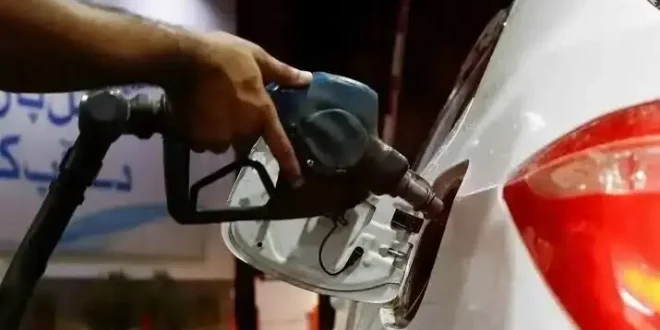
The government on Thursday raised the price of petrol by Rs0.27 per litre and that of high-speed diesel (HSD) by Rs1.64.
Following the revision, petrol will retail at Rs337.78 per litre while HSD will cost Rs364.70 per litre. The government continues to levy Rs114 per litre in taxes and duties on petrol and Rs100 per litre on diesel.
According to the Petroleum Division’s notification, the new prices will be applicable for August 21 (Friday).
The price of HSD has come down from a peak of Rs520.35 recorded on April 3. Its price had started rising from Rs281 per litre after the US-Iran war broke out on February 28.
The petrol price had peaked at Rs458.41 on April 3 after beginning its upward trajectory from Rs266 in the first week of March.
Earlier, Petroleum Minister Ali Pervaiz Malik announced that fuel prices would now be fixed on a daily basis due to fluctuations in international market prices following renewed hostilities between Iran and the US.
The government had been announcing weekly revisions to fuel prices since early March, alongside measures for the conservation of fuel amid possible oil supply disruptions due to the ongoing conflict in the Middle East. The federal government in April also announced targeted relief measures to provide subsidised fuel.
The petroleum minister stated that the cabinet and the prime minister had decided to give the Oil and Gas Regulatory Authority (Ogra) the responsibility of deciding fuel prices on a daily basis based on international market trends.
Petrol is mainly used in private transport, small vehicles, rickshaws and two-wheelers, and changes in its price affect the middle and lower-middle classes.
Similarly, changes in diesel prices also impact the public at large, as it is mainly used in the heavy transport sector, power plants and large generators.
Petrol and high-speed diesel (HSD) are the major revenue earners, with monthly sales of about 700,000 to 800,000 tonnes, compared to just 10,000 tonnes of monthly demand for kerosene.
Pakistan’s Fuel Price Volatility: Navigating Geopolitical Storms and Economic Realities
The Latest Fuel Price Adjustments
In a recent announcement by the government, the price of petrol has been increased by Rs0.27 per litre, bringing its new retail price to Rs337.78 per litre. High-speed diesel (HSD) saw a more substantial hike of Rs1.64, now costing Rs364.70 per litre. These revised prices, effective August 21, reflect the ongoing volatility in international oil markets.
Notably, the government continues to impose significant taxes and duties: Rs114 per litre on petrol and Rs100 per litre on diesel. These levies constitute a substantial portion of the final consumer price, indicating the state’s reliance on petroleum products as a key revenue source.
Geopolitical Tensions Drive Volatility: A Background
The recent trajectory of Pakistan’s fuel prices cannot be understood without acknowledging the profound impact of global geopolitical events. The chart vividly illustrates the dramatic shift beginning late February 2026.
The US-Iran Conflict and the Strait of Hormuz
The outbreak of the US-Iran war on February 28, 2026, marked a critical turning point. This conflict, centered in the volatile Persian Gulf, immediately triggered fears of disruptions to global oil supplies, particularly concerning the Strait of Hormuz. This narrow strait is a vital choke point through which a significant portion of the world’s seaborne oil passes. Any perceived threat to its navigability sends shockwaves through international oil markets, leading to rapid price escalations.
Pakistan, being a net importer of crude oil and refined petroleum products, is highly susceptible to such external shocks. The pre-crisis baseline saw petrol at Rs266.17 and diesel at Rs280.86. Within weeks, by April 3, prices had surged to unprecedented levels: petrol peaked at Rs458.41 and diesel at Rs520.35 — a stark illustration of the crisis’s immediate economic fallout.
Shifting Pricing Mechanisms and Government Measures
In response to this extreme volatility, the government shifted its fuel pricing strategy. Initially, weekly revisions were implemented in early March to keep pace with rapid international changes. However, as hostilities in the Persian Gulf continued and market fluctuations intensified, the Petroleum Minister Ali Pervaiz Malik announced a move to a daily pricing mechanism. Entrusting this responsibility to the Oil and Gas Regulatory Authority (OGRA), the aim was to ensure that local prices more accurately and immediately reflect global trends, potentially mitigating the shock of larger, less frequent adjustments.
Beyond pricing, the government also introduced measures for fuel conservation and targeted relief to provide subsidised fuel, acknowledging the severe burden on citizens.
Impact on Pakistan’s Economy and Citizens
The continuous fluctuation and generally elevated fuel prices carry profound implications for Pakistan’s already fragile economy and its populace.
- Inflationary Pressure: Both petrol and diesel are fundamental to the supply chain. Increased diesel prices directly raise the cost of heavy transport, impacting freight charges, agricultural inputs (like operating tube wells and machinery), and power generation. This inevitably translates into higher prices for essential goods and services, fueling broader inflation across the economy.
- Household Budget Strain: Petrol, primarily used by private vehicles, rickshaws, and two-wheelers, directly affects the daily commuting costs for the middle and lower-middle classes. Even small increments chip away at disposable incomes, forcing families to curtail other essential expenditures.
- Business Operating Costs: Industries reliant on transport or captive power generation (using diesel generators) face escalated operating expenses. This can reduce profit margins, hinder investment, and potentially lead to job losses or reduced production.
- Government Revenue vs. Public Burden: While substantial taxes on fuel provide critical revenue for the government, they also disproportionately burden consumers, especially when international prices are high. This creates a delicate balancing act for policymakers, who must weigh fiscal needs against public welfare.
- Energy Security Concerns: The crisis underscores Pakistan’s acute vulnerability as an oil-impor**ting nation to geopolitical instability in key oil-producing regions. It highlights the urgent need for a diversified and resilient energy strategy.
Analysis: Navigating a “New Normal”
The current scenario suggests Pakistan is navigating a “new normal” where global energy markets are inherently volatile, driven by ongoing geopolitical tensions.
The Daily Pricing Mechanism: A Double-Edged Sword
The shift to daily pricing by OGRA is an attempt to inject greater transparency and responsiveness into the system. While it theoretically allows for smaller, more frequent adjustments that might be less jarring than sudden large hikes, it also means consumers face constant uncertainty. For businesses and households, budgeting becomes more challenging. The mechanism helps the government avoid accumulating massive subsidies when global prices rise, but it shifts the full burden of market fluctuations directly onto the public.
Observing the chart from late July, when daily pricing commenced, prices have shown a tendency to creep upwards again after an earlier post-peak decline. This indicates that while the mechanism offers agility, it doesn’t insulate Pakistan from sustained increases in international oil benchmarks.
Beyond Immediate Response: Strategic Imperatives
The prolonged impact of the US-Iran conflict, with petrol prices still hovering around 27% higher and diesel nearly 30% higher than pre-crisis levels (Feb 28, 2026), demands more than just responsive pricing adjustments. Strategic imperatives for Pakistan include:
- Energy Diversification: Accelerating investment in indigenous and renewable energy sources (solar, wind, hydropower) can reduce reliance on imported fossil fuels.
- Fuel Efficiency and Conservation: Promoting public transport, encouraging fuel-efficient vehicles, and implementing stricter conservation measures can reduce overall demand.
- Economic Resilience: Building stronger economic buffers and diversifying trade partnerships to minimize the impact of external shocks.
- Diplomatic Engagement: Actively participating in regional and international forums to promote peace and stability in key energy-producing regions.
The current fuel price scenario is a stark reminder of Pakistan’s economic interconnectedness with global events. While the government’s shift to daily pricing reflects an adaptive response to market realities, the underlying challenges of inflation, economic stability, and energy security remain paramount. Effective long-term strategies, coupled with prudent short-term management, will be crucial in steering the nation through these turbulent energy waters.
