Dost Pakistan Journeys Tours and safaris in the North & South Pakistsn
Related Articles



“`html
AC Attack in Nowshera: A Sobering Reminder of Pakistan’s Enduring Security Crisis
An analysis of the recent attack on an Assistant Commissioner in Khyber Pakhtunkhwa, examining the broader context of escalating violence and its implications for governance and national stability.
The Attack and Its Immediate Aftermath
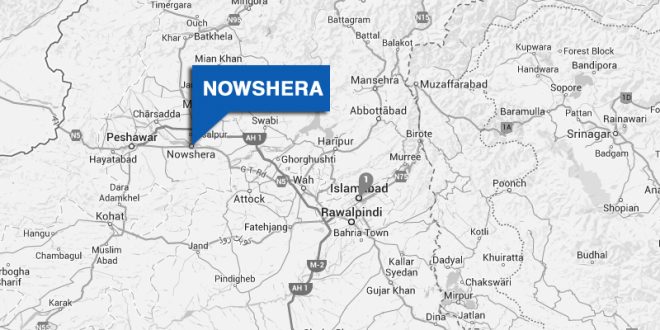
On Saturday, Mansehra Assistant Commissioner Adil Waseem sustained injuries when his official vehicle came under fire from unknown assailants in Nowshera’s Panah Kot area. The incident occurred as Mr. Waseem was returning from his ancestral village of Saleh Khana. Promptly transported to Lady Reading Hospital in Peshawar, officials confirmed his condition as stable, now receiving medical attention.
Following the attack, Nowshera District Police Officer (DPO) Sonia Shamroz confirmed that the vicinity was immediately secured and a comprehensive search operation initiated. Investigations are actively underway, with a dedicated team formed to apprehend those responsible, underscoring the gravity with which law enforcement is treating this assault on a public official.
Escalating Security Challenges in Khyber Pakhtunkhwa
This incident is not an isolated event but rather a stark manifestation of a troubling trend plaguing Khyber Pakhtunkhwa (KP). The province, bordering Afghanistan, has historically been a crucible of militancy and continues to face significant security challenges. Assistant Commissioners (ACs) like Adil Waseem are crucial pillars of the civil administration, responsible for maintaining law and order, overseeing revenue collection, and delivering essential public services at the grassroots level. Their role places them at the forefront of state authority, making them potential targets for groups seeking to undermine governance.
Recent data underscores the severity of the situation. A report by the Centre for Research and Security Studies (CRSS) highlighted an alarming 83% increase in violence-linked fatalities in Pakistan during the third quarter of 2026, reversing earlier positive trends. KP, alongside Balochistan, has emerged as the epicentre of this violence, jointly accounting for a staggering 98% of all fatalities nationwide during this period. KP alone reported 556 deaths, over 39% of the national total.
The pattern of targeting officials and law enforcement personnel is particularly concerning. Just recently, a police officer was martyred in Bajaur, and four policemen, including senior Counter-Terrorism Department and Station House Officer officials, lost their lives in Karak. The attack on AC Adil Waseem echoes similar tragic incidents in December 2025, when Miranshah AC Shah Wali was martyred in Bannu, and in July 2025, when Nawagai subdivision AC Faisal Ismail and four others perished in an explosion in Bajaur. These repeated assaults signal a deliberate strategy to destabilize the state’s presence in vulnerable regions.
Wider Implications for Governance and Stability
The targeting of civil servants carries profound implications beyond the immediate human tragedy. Such attacks severely impede governance, especially in remote and conflict-affected areas. When officials fear for their safety, the delivery of public services—from education and healthcare to justice and development projects—suffers inevitably. This erosion of state capacity not only fosters public distrust but also creates a vacuum that extremist elements are quick to exploit, further entrenching their influence.
Economically, persistent insecurity deters both local and foreign investment, stifling growth and exacerbating poverty – a critical factor often exploited by militant recruiters. Nationally, the constant need to divert resources towards security operations strains the exchequer and detracts from vital socio-economic development initiatives. Furthermore, such incidents undermine national morale and project an image of instability that affects Pakistan’s standing on the international stage, potentially impacting regional cooperation efforts on counter-terrorism.
Analyzing the Threat: A Multi-faceted Challenge
The assailants’ decision to target an Assistant Commissioner is strategically significant. ACs represent the tangible presence of the state in everyday life; an attack on them is an attack on the very fabric of civil administration. It aims to instill fear, disrupt the machinery of government, and demonstrate the militants’ capacity to operate with impunity, thereby eroding public confidence in the state’s ability to protect its citizens and officials.
Strategic Response: Beyond Law Enforcement
Combating this complex challenge requires a multi-pronged, comprehensive strategy that extends beyond conventional law enforcement and military operations. While swift and decisive action to apprehend culprits and dismantle terrorist networks is paramount, long-term success hinges on addressing the root causes of militancy. This includes:
- Strengthening Intelligence and Surveillance: Enhancing intelligence gathering and sharing mechanisms to preempt attacks and neutralize threats effectively.
- Community Engagement: Fostering trust between security forces and local populations, encouraging cooperation, and isolating extremist narratives.
- Socio-Economic Development: Investing in education, health, and economic opportunities in vulnerable regions to reduce radicalization and provide viable alternatives to extremism.
- Border Management: Implementing robust and effective border control measures to prevent cross-border movement of militants and arms.
- Judicial and Prison Reforms: Ensuring swift justice and preventing radicalization within correctional facilities.
- Political Stability and Consensus: Developing a unified national approach to counter-terrorism that transcends political divides.
Protecting civil servants and ensuring the sanctity of state institutions are fundamental to maintaining law and order and delivering good governance. The attack on AC Adil Waseem serves as a potent reminder that the battle against extremism in Pakistan is far from over. It demands not just an intensified security response but also a sustained commitment to holistic reforms that strengthen the state, empower communities, and address the underlying grievances that fuel instability in critical regions like Khyber Pakhtunkhwa.
“`