Dost Pakistan Journeys Tours and safaris in the North & South Pakistsn
Related Articles


Pims Fire: Beyond Blame – A Clarion Call for Pakistan’s Health Sector Reform
The Tragic Incident and Official Response
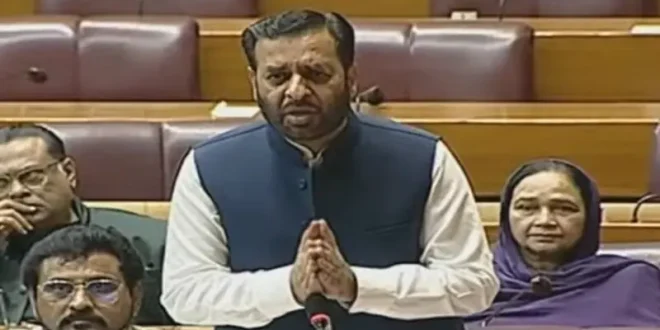
The recent devastating fire at the Pakistan Institute of Medical Sciences (PIMS) in Islamabad, which tragically claimed the lives of 14 innocent infants, has ignited a fierce national debate about accountability and the dire state of Pakistan’s healthcare system. In the wake of this profound loss, Health Minister Mustafa Kamal delivered a powerful address in the Senate, vowing that “no one will be spared” and emphasizing the critical need for comprehensive health sector reform. His strong remarks, delivered on behalf of the Prime Minister, underscored the government’s commitment to ensuring justice and preventing future tragedies. Kamal not only took personal responsibility but also painted a stark picture of a “rotten” system, highlighting the alarming statistic of 1,300 preventable child deaths occurring daily across the country. The National Assembly, echoing public sentiment, unanimously passed a resolution demanding an impartial inquiry, while affected families were offered Rs5 million in compensation, a small gesture against an immeasurable loss.
However, conflicting accounts from witnesses, who alleged delays in emergency response and locked exits, against official denials, add layers of complexity to the unfolding investigation. The immediate removal of the federal Health Secretary and the formation of a high-level inquiry committee signal an initial effort to address the crisis, yet the true test lies in the depth and outcome of these probes.
Ailing System: Understanding Pakistan’s Healthcare Background
The PIMS tragedy is not an isolated incident but rather a grim symptom of deep-seated systemic failures within Pakistan’s public health infrastructure. PIMS, as one of the country’s largest and most crucial federal hospitals, serves a vast population, often operating beyond its capacity. Like many public health facilities nationwide, it grapples with chronic underfunding, aging infrastructure, and inadequate maintenance protocols. Critical safety measures, including robust fire detection and suppression systems, often remain neglected or poorly implemented, creating fertile ground for disasters.
Pakistan’s healthcare system is characterized by stark disparities, a significant urban-rural divide, and a fragmented approach to service delivery. Public hospitals frequently suffer from a shortage of trained staff, particularly in specialized fields like neonatal care, and a lack of consistent professional development. Beyond the immediate operational issues, there’s a pervasive culture where regulatory oversight is weak, and accountability for negligence often remains elusive. Promises of reform and retribution following such incidents have historically faced challenges, frequently hampered by bureaucratic inertia, political interference, and a lack of sustained commitment to implement fundamental changes.
Wider Repercussions: Impact on Pakistan
The PIMS fire has sent shockwaves through Pakistani society, casting a dark shadow over public confidence in government institutions and the healthcare system. The loss of infants, the most vulnerable members of society, evokes profound anguish and moral outrage, intensifying public demand for tangible action. This incident serves as a stark reminder of the human cost of negligence and systemic decay, eroding trust that is already fragile.
Economically, while compensation offers some relief to affected families, the larger burden lies in the costs associated with investigations, potential infrastructure overhauls, and the long-term impact on the health sector’s reputation. More critically, it places immense political pressure on the current administration to deliver not just justice, but also genuine, sustainable reforms. Failure to do so could further alienate the populace and deepen cynicism regarding the state’s capacity to protect its citizens. The tragedy underscores an urgent national health crisis, highlighting that preventable deaths are not just statistics but represent a continuous, silent catastrophe.
Analysis: Beyond Rhetoric to Systemic Change
Minister Kamal’s candid admission of a “rotten” system and his willingness to take personal responsibility, alongside his stern warning that “no one will be spared,” represents a potentially significant shift from the usual political rhetoric. It acknowledges the deep-seated issues that plague Pakistan’s healthcare rather than merely deflecting blame. However, the true efficacy of his statements hinges on their translation into concrete, impactful actions.
The Minister’s Dilemma: Acknowledgment vs. Action
While refreshing, Kamal’s strong words must navigate the treacherous waters of political will and institutional resistance. His warning against “suppressing the issue” and explicitly stating that “no MNA should call and ask why a certain doctor was removed” directly addresses the pervasive challenge of political interference and patronage networks that often shield incompetent officials. This points to the systemic obstacles that have historically undermined accountability and prevented genuine reform.
The immediate challenge for Kamal and the government is to ensure the ongoing inquiry is truly impartial, comprehensive, and not time-bound. It must delve beyond immediate negligence to identify the root causes: whether it’s inadequate funding for maintenance, procurement irregularities leading to substandard equipment, insufficient staff training, or systemic corruption that bypasses safety protocols. An inquiry that merely scapegoats individuals without addressing the underlying structural issues will ultimately fail to prevent future tragedies.
Unmasking the “Rot”: Deep-Seated Challenges
The minister’s reference to 1,300 preventable child deaths daily across Pakistan tragically broadens the scope of this crisis beyond the PIMS incident. It reveals a continuous, silent emergency that speaks volumes about the state of public health. This “rot” he describes is multi-faceted, encompassing:
- Infrastructure Deficit: Aging hospital buildings, faulty electrical systems, and lack of modern safety equipment.
- Governance and Oversight: Weak regulatory frameworks, poor enforcement mechanisms, and a lack of accountability from top to bottom.
- Human Resource Gaps: Shortage of skilled medical personnel, inadequate training, and low morale, often leading to negligence.
- Funding Shortages: Chronic underinvestment in health, leading to compromises on maintenance, equipment, and staff welfare.
- Political Interference: The pervasive culture of political appointments and protection that undermines meritocracy and accountability.
The Path Forward: From Promises to Lasting Reform
For Kamal’s call for “radical reforms” to be more than just powerful rhetoric, a strategic roadmap is essential. This must include:
- Comprehensive Safety Audits: Mandated, independent safety audits for all public hospitals, especially critical units like neonatal and pediatric wards, with immediate implementation of findings.
- Investment in Infrastructure: A dedicated national fund for upgrading and maintaining hospital infrastructure, focusing on fire safety, electrical systems, and emergency preparedness.
- Strengthening Regulatory Bodies: Empowering and depoliticizing health regulatory authorities to ensure strict enforcement of standards and transparent accountability.
- Professional Development and Meritocracy: Investing in training, recruitment based on merit, and protecting medical professionals from political pressure when carrying out their duties.
- Public Engagement: Creating mechanisms for public feedback and oversight to ensure transparency and sustained pressure for reform.
The PIMS fire, while a horrific tragedy, presents a critical inflection point. It is an opportunity for Pakistan to move beyond episodic outrage and empty promises towards a genuine, sustained effort to overhaul its ailing health sector. The lives of 14 infants, and the 1,300 children who die daily from preventable causes, demand nothing less than a transformational commitment to public health and safety.