Dost Pakistan Journeys Tours and safaris in the North & South Pakistsn
Related Articles

“`html
US Judge Strikes Down Immigrant Visa Suspension: A Deep Dive into Judicial Scrutiny and Immigration Policy
The News: A Setback for Restrictive Visa Policies
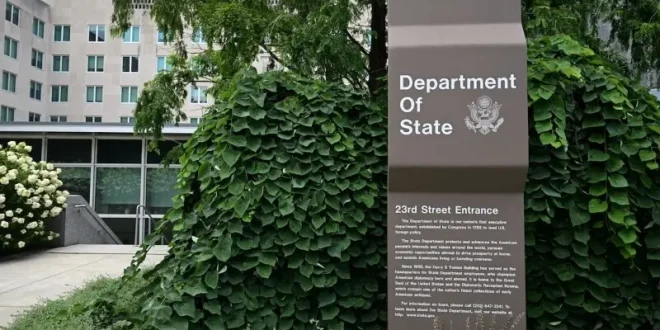
In a significant development for global immigration, a US District Judge in Manhattan, Jeannette Vargas, delivered a decisive blow to a Trump administration policy that had suspended the issuance of immigrant visas to applicants from 75 countries. This policy, which went into effect in January and included nations like Pakistan, Brazil, Colombia, and Bangladesh, was deemed “patently unlawful” by Judge Vargas. Her ruling asserted that the State Department’s directive exceeded the statutory authority of the Secretary of State. The policy had justified its broad suspension by claiming applicants from these countries posed a “high risk for becoming a public charge” and relying on government resources in the United States. However, the court found this blanket prohibition on immigrant visas based solely on nationality to be a direct contravention of established federal immigration law, which explicitly limits the Secretary of State’s power over consular officers’ processing of immigrant visas. The lawsuit was brought forward by a coalition of immigrant rights groups, including the Catholic Legal Immigration Network and African Communities Together, alongside individual visa applicants and US citizens sponsoring family members.
Background: The Trump Administration’s Immigration Stance and Legal Battles
This judicial reversal is the latest chapter in a series of challenges against the Trump administration’s broader agenda of an aggressive immigration crackdown. Throughout his presidency, Donald Trump pursued policies aimed at curbing both legal and illegal immigration, often citing concerns about domestic security and economic strain. Initiatives such as the “travel ban” on several Muslim-majority countries (which also faced extensive legal challenges), increased border enforcement, and the controversial tightening of the “public charge” rule were hallmarks of this approach. The “public charge” rule, which allows immigration officials to deny green cards to immigrants deemed likely to rely on public assistance, has a long history but was significantly expanded under the Trump administration, causing widespread fear and confusion among immigrant communities.
The policy specifically targeted in Judge Vargas’s ruling was another manifestation of this restrictive philosophy. By suspending immigrant visa processing for an extensive list of countries, the State Department effectively bypassed the individualized assessment typically required in visa applications, opting instead for a nationality-based moratorium. This move was challenged on the grounds that it overstepped the executive branch’s constitutional and statutory powers. Federal immigration law deliberately vests the authority for processing immigrant visas primarily with consular officers, subject to specific legal criteria, rather than granting the Secretary of State carte blanche to impose categorical bans based on nationality.
Impact on Pakistan: A Glimmer of Hope for Family Reunification
For Pakistan, which was explicitly named among the 75 affected nations, the judge’s ruling brings immediate relief and renewed hope for countless individuals and families. Pakistan is a significant source country for US immigration, particularly for family-sponsored visas. The suspension had frozen the dreams of many Pakistanis seeking to reunite with family members already residing in the United States, leaving applicants and their US sponsors in a state of indefinite limbo. Visa interviews were halted, and processing was effectively brought to a standstill, causing immense emotional and financial distress.
The striking down of this policy means that consular sections at US embassies and consulates in Pakistan can now resume the processing of immigrant visas without the nationality-based restriction. This paves the way for thousands of eligible Pakistani applicants to move forward with their immigration journeys, facilitating family reunification and potentially contributing to the US economy through remittances and diverse skills. Beyond the individual impact, this decision also carries symbolic weight, signaling a departure from policies that were perceived as discriminatory or unfair, and potentially fostering a more positive perception of US immigration fairness among Pakistani citizens.
Analysis: Upholding Statutory Authority and Judicial Scrutiny
Judge Vargas’s ruling underscores a crucial principle in American governance: the limitation of executive power and the judiciary’s role in upholding statutory authority. Her decision did not delve into the merits of the “public charge” rule itself—a contentious policy that remains legally contested—but rather focused on the State Department’s method of implementation. By categorically prohibiting visas based on nationality, the policy attempted to create a blanket ban that federal law reserves for Congress or for very specific, narrowly defined circumstances, not for the Secretary of State to unilaterally impose.
This ruling serves as a powerful reminder that while the executive branch holds significant power in foreign policy and immigration enforcement, these powers are not absolute. They are constrained by the legislative framework established by Congress. The court effectively affirmed that the Secretary of State, though a powerful Cabinet member, cannot rewrite or circumvent federal immigration statutes by issuing departmental policies that contradict them. This judicial check prevents executive overreach and protects the integrity of the legal immigration system.
Moreover, the success of the lawsuit, initiated by immigrant rights groups and affected individuals, highlights the critical role that civil society organizations play in challenging government actions that infringe upon rights or exceed legal boundaries. Their persistent advocacy and legal strategies have been instrumental in pushing back against a series of restrictive immigration policies enacted under the Trump administration, many of which have been met with similar judicial scrutiny and reversals. As the United States continues to grapple with complex immigration issues, this ruling reaffirms the judiciary as a vital arbiter, ensuring that policies are not only effectively implemented but also legally sound and respectful of established law. The battle over US immigration policy remains dynamic, but this decision marks a significant victory for those advocating for a more lawful and less discriminatory approach.
“`