 Dost Pakistan Journeys Tours and safaris in the North & South Pakistsn
Related Articles

“`html
Makkah Defence Pact: A New Era in Pakistan-Saudi Strategic Alignment
By [Your Name/Publication Name]
The News: Strengthening Defence Ties Amid Regional Volatility
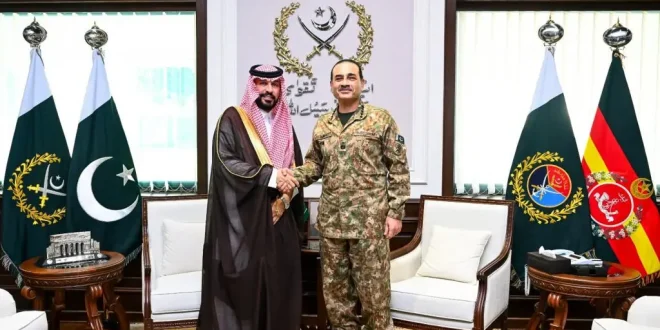
In a significant development underscoring deepening strategic ties, Pakistan’s Chief of Defence Forces (CDF) and Chief of Army Staff, Field Marshal Asim Munir, recently hosted the newly appointed Saudi Arabian Ambassador to Pakistan, Dr. Rajeh Tami Albugamy, at General Headquarters (GHQ) in Rawalpindi. The meeting served as a platform for both dignitaries to express profound satisfaction with the progress achieved under the framework of the trilateral Makkah Joint Defence Agreement. Their discussions emphasized the critical importance of bolstering defence collaboration, institutional linkages, and strategic coordination between the two nations.
Ambassador Albugamy, who recently assumed his diplomatic responsibilities, has swiftly engaged with Pakistan’s leadership, including Prime Minister Shehbaz Sharif and Deputy Prime Minister and Foreign Minister Ishaq Dar. These high-level interactions have consistently reaffirmed a shared commitment to strengthening the longstanding strategic and fraternal bonds that connect Islamabad and Riyadh. Notably, during his meeting with PM Sharif, Pakistan reiterated its unwavering support for Saudi Arabia’s “sovereignty, security and territorial integrity,” a statement resonating strongly amidst a recent uptick in Houthi attacks targeting the Kingdom.
The Makkah Defence Alliance, which also includes Turkiye, was inked on August 7, aiming to fortify collective deterrence and mandate signatory states to consider an attack on one as an attack on all. This month, an emergency meeting of the alliance led to an agreement on the rapid deployment of military forces and capabilities in Saudi Arabia, a direct response to the evolving threat landscape, particularly the Houthi aggression. Pakistan’s military spokesperson further elaborated, confirming that the nation is providing “whatever support is needed” for Saudi Arabia’s defence against these rebel incursions, highlighting the actionable nature of the pact.
Background: A Legacy of Brotherhood and Strategic Interdependence
The robust relationship between Pakistan and Saudi Arabia is not new; it is deeply entrenched in shared religious heritage, cultural affinities, and decades of strategic partnership. Often described as “fraternal,” this bond has manifested through various channels, from economic assistance to extensive military cooperation.
Historical Defence Cooperation
Pakistan has historically played a crucial role in the security architecture of the Gulf states, particularly Saudi Arabia. Pakistani military personnel have long provided training, advisory services, and technical expertise to the Saudi armed forces. This cooperation extends to joint military exercises and, at times, the deployment of Pakistani troops to the Kingdom, underscoring a consistent commitment to Saudi Arabia’s security and stability. For Pakistan, this relationship has offered strategic depth, diplomatic leverage within the Islamic world, and crucial economic support.
Saudi Arabia’s Evolving Security Landscape
Saudi Arabia faces a complex and volatile regional environment. The ongoing conflict in Yemen, with the Iran-backed Houthi rebels frequently launching drone and missile attacks into Saudi territory, represents a direct and persistent threat. Beyond Yemen, the Kingdom navigates broader geopolitical rivalries, necessitating a robust defence posture and diversified security alliances. The Makkah Defence Pact with Pakistan and Turkiye represents a strategic move to formalize and strengthen its collective defence capabilities, moving beyond traditional bilateral arrangements to a trilateral collective security framework.
The Inclusion of Turkiye
The addition of Turkiye to this defence alliance introduces a significant dimension. Turkiye, with its growing military capabilities and assertive foreign policy, brings an additional strategic partner to the table. This trilateral alignment could be seen as an effort to build a more comprehensive and resilient security bloc among key Sunni-majority nations, potentially aimed at balancing regional power dynamics and enhancing the collective deterrence against perceived threats.
Impact on Pakistan: Navigating Benefits and Challenges
For Pakistan, the deepening of the Makkah Defence Pact carries multifaceted implications, ranging from economic stability to enhanced regional standing.
Economic Lifelines and Investment
Saudi Arabia has historically been a vital source of financial aid, loans, and deferred oil payment facilities for Pakistan, particularly during periods of economic strain. Strengthening defence ties through agreements like the Makkah Pact often reinforces this economic patronage, providing Pakistan with much-needed fiscal relief and encouraging further Saudi investment in various sectors. This economic interdependence is a critical factor in Islamabad’s foreign policy calculus.
Enhanced Strategic Influence and Military Modernization
By positioning itself as a key security guarantor for Saudi Arabia, Pakistan bolsters its strategic relevance in the Middle East and the broader Islamic world. This role could lead to opportunities for joint military exercises, technology transfer, and shared intelligence, contributing to the modernization and operational experience of the Pakistan Armed Forces. It also projects Pakistan’s military prowess on an international stage, validating its reputation as a capable security provider.
Navigating Regional Entanglements and Balancing Acts
However, increased military entanglement in the Middle East also presents challenges. Pakistan must carefully navigate the complex regional rivalries, particularly maintaining its delicate balance with Iran while closely aligning with Saudi Arabia. Deploying forces or providing substantial military support in conflict zones, even in a defensive capacity, carries inherent risks of escalation and could potentially draw Pakistan into broader regional conflicts. Domestically, such commitments could also spark public debate regarding the allocation of resources and the country’s strategic priorities.
Analysis: A Pragmatic Alliance in a Shifting Geopolitical Landscape
The Makkah Joint Defence Agreement, and the expressed satisfaction with its progress, signifies more than just a continuation of existing bilateral ties; it marks a strategic evolution towards a more formalized and robust collective security framework. This pact is a pragmatic response by its signatories to the evolving geopolitical realities of the Middle East.
From Bilateral Support to Collective Deterrence
The shift from primarily bilateral military assistance to a trilateral collective defence agreement is pivotal. It transforms the nature of commitment, moving from an ad-hoc arrangement to an institutionalized mechanism where an attack on one is explicitly recognized as an attack on all. This principle of collective deterrence aims to send a strong message to potential adversaries, enhancing regional stability by raising the cost of aggression.
Responding to Contemporary Threats
The immediate catalyst for the renewed urgency and the agreement on “rapid force deployment” is undoubtedly the persistent threat from Houthi rebels. For Saudi Arabia, this pact provides a credible layer of defence and support from two militarily capable partners. For Pakistan and Turkiye, it solidifies their roles as strategic partners and allows them to project influence and uphold regional security alongside a key ally.
Pakistan’s Strategic Imperative
Pakistan’s commitment to the Makkah Pact is rooted in a clear strategic imperative. Beyond the economic benefits, it reinforces Pakistan’s identity as a responsible Muslim nation committed to the security of its allies and the broader Islamic world. In an era where global alliances are continually being recalibrated, this agreement helps cement Pakistan’s position as a reliable security provider, bolstering its standing and offering diplomatic leverage. It demonstrates a proactive approach to foreign policy, rather than a purely reactive one.
The Path Forward
The true test of the Makkah Defence Pact will lie in its effective implementation and its ability to adapt to future regional contingencies. While the political will is evident, operationalizing such a trilateral arrangement—coordinating diverse military doctrines, logistics, and command structures—will require sustained effort. Its success could potentially pave the way for a more integrated and self-reliant security architecture within the Islamic world, offering a counter-narrative to traditional Western-dominated security paradigms. However, careful diplomacy will be essential to manage the complex interplay of regional interests and avoid unintended consequences. The current pronouncements indicate a strong start, setting the stage for a new chapter in Pakistan’s strategic engagement with Saudi Arabia and Turkiye.
“`
