 Dost Pakistan Journeys Tours and safaris in the North & South Pakistsn
“`html
Rising Waters: Pakistan’s Flood Preparedness Under Scrutiny Amidst Chenab Surge
An original analysis of the impending flood threat in Pakistan’s major rivers.
The Impending Flood Threat: A Snapshot
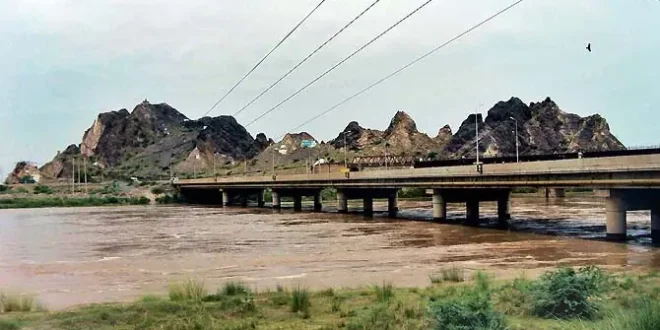
Pakistan is bracing for a significant surge in the Chenab River, a vital artery for the nation, with water levels anticipated to enter a high-flood category in the coming days. This alarming forecast stems from a combination of ongoing heavy rainfall in the upstream catchment areas of Indian-occupied Kashmir (IOJK) and a fresh spell of monsoon activity across Punjab.
According to the Punjab Irrigation Department and the Pakistan Meteorological Department’s Flood Forecasting Division (FFD), the Chenab is currently experiencing medium flood levels, but heightened flows are expected by July 24. This projection is fueled by a confluence of a prevailing westerly wave and a strong monsoon incursion originating from both the Arabian Sea and the Bay of Bengal, impacting catchments of all major rivers.
Beyond the Chenab, the FFD has issued high flood warnings for River Jhelum upstream of Mangla, along with several associated nullahs of the Jhelum, Chenab (Dora, Dotta, Dowara, Bhimber, Halsi, Aik, Palkhu), and Ravi (Bein, Bassanter, Deg, Sakki). River Kabul and its tributaries are also expected to see high flows. The situation is further complicated by forecasts of flash flooding in the hill torrents of DG Khan, streams in Khyber Pakhtunkhwa, northern Balochistan, and urban flooding in major cities including Rawalpindi, Jhelum, Gujranwala, Lahore, and Faisalabad.
While the Indus River currently maintains low to below-low levels at various gauging stations, the Jhelum is experiencing low to medium flood, and the Chenab is already in medium to high flood at key points like Marala, Khanki, and Qadirabad. The Ravi and Sutlej rivers, however, remain at below-low flood levels, as per WAPDA’s latest reports on inflows and outflows.
Contextualizing the Threat: Geography, Climate, and Geopolitics
Understanding the current flood warnings requires a broader perspective on Pakistan’s unique geography, climatic patterns, and regional water dynamics.
The Lifeline of Chenab and Pakistan’s River System
The Chenab River, originating in the upper Himalayas in the Lahaul and Spiti district of Himachal Pradesh, India, flows through Jammu and Kashmir before entering the Punjab plains of Pakistan. It is a critical tributary of the Indus River system, forming a significant part of Pakistan’s agricultural and economic backbone. The water levels in rivers like the Chenab are intrinsically linked to rainfall patterns in their vast, often transboundary, catchment areas.
Monsoon’s Unpredictable Embrace
South Asia’s climate is dominated by the monsoon, a seasonal wind system that brings the majority of the region’s annual rainfall between June and September. These monsoons, driven by temperature differences between land and sea, are crucial for agriculture but also notorious for their variability, often leading to either droughts or devastating floods. The current scenario highlights a strong monsoon incursion, exacerbated by a westerly wave, which intensifies rainfall over already saturated grounds, particularly in the mountainous regions of IOJK and the plains of Punjab. This interplay of different weather systems often leads to extreme precipitation events.
The Shadow of the Indus Waters Treaty (IWT)
The Indus Waters Treaty (IWT) of 1960, brokered by the World Bank, governs the sharing of the Indus River system waters between India and Pakistan. It allocates the waters of the Eastern Rivers (Ravi, Sutlej, Beas) to India and the Western Rivers (Indus, Jhelum, Chenab) predominantly to Pakistan. While the treaty specifies water distribution for beneficial uses like irrigation and power generation, it doesn’t explicitly detail flood management protocols for extreme events. Heavy rainfall in upstream Indian territories, particularly in IOJK where the Chenab originates, directly impacts downstream flows into Pakistan. While India is obligated to inform Pakistan about unusual flood releases, the sheer volume of natural rainfall, as seen now, can pose a significant challenge regardless of man-made structures or releases. This transboundary nature of river systems necessitates ongoing communication and coordination, especially during flood emergencies.
A History of Vulnerability and Climate Change
Pakistan is one of the countries most vulnerable to the impacts of climate change, with extreme weather events like floods becoming more frequent and intense. The catastrophic floods of 2010 and 2022, which devastated vast swathes of the country, serve as stark reminders of this vulnerability. These events underscore the urgency of robust flood management strategies that account for changing climatic patterns. The current predictions align with scientific consensus that climate change will likely lead to more erratic and extreme monsoon seasons, increasing the risk of severe flooding.
Projected Impact: A Multi-faceted Crisis for Pakistan
The anticipated high flood levels in the Chenab and other rivers, coupled with urban and flash flooding, present a grave and multi-faceted challenge for Pakistan, a nation still recovering from previous flood disasters and grappling with economic instability.
Humanitarian Crisis and Displacement
The immediate and most pressing impact will be humanitarian. Floods inevitably lead to displacement of communities, forcing thousands to abandon their homes and livelihoods. This can trigger significant challenges related to shelter, food, clean drinking water, and sanitation, potentially leading to outbreaks of waterborne diseases. Lives are at risk, and the psychological trauma on affected populations can be profound and long-lasting.
Economic Devastation and Agricultural Losses
Pakistan’s predominantly agrarian economy is particularly susceptible to flood damage. Standing crops, critical for food security, are often submerged and destroyed, leading to massive agricultural losses. Livestock, another vital economic component for rural communities, can also perish. Damage to crucial infrastructure – roads, bridges, communication networks, and power grids – disrupts supply chains, economic activities, and access to essential services, further exacerbating the country’s economic woes.
Strain on Infrastructure and Urban Centers
The high flows will test the resilience of Pakistan’s existing flood control infrastructure, including barrages and embankments. Urban centers like Lahore, Rawalpindi, and Faisalabad, already struggling with inadequate drainage systems, face the threat of urban flooding. This can paralyze cities, damage homes and businesses, and overwhelm civic services. Flash flooding in hill torrents and mountainous regions poses a distinct danger, capable of rapidly washing away anything in its path.
Exacerbating Existing Vulnerabilities
Coming on the heels of the 2022 super floods and ongoing economic challenges, another major flood event would stretch Pakistan’s already thin resources to their limit. It would divert critical funds from development projects to immediate relief and rehabilitation efforts, further impeding long-term growth and stability. The increased frequency of such events makes recovery efforts less effective and pushes more people into poverty.
Analysis: Beyond the Forecast – Towards Resilience
While the immediate focus is on emergency response, the recurring nature of these threats demands a critical analysis of Pakistan’s long-term preparedness, infrastructure, and policy frameworks in the face of escalating climate change impacts.
The Efficacy of Early Warning Systems
The FFD and PMD’s timely warnings are commendable and crucial for disaster preparedness. However, the effectiveness of these warnings ultimately depends on their granular detail, dissemination speed, and the capacity of local administrations and communities to respond. Are these warnings reaching the most vulnerable in remote areas effectively? Is there adequate infrastructure for rapid evacuation and relief? Continuous investment in sophisticated meteorological equipment, hydrological modeling, and public awareness campaigns is paramount.
Rethinking Infrastructure and Water Management
Pakistan’s existing flood control infrastructure, built largely to manage historical flood levels, is increasingly challenged by the unprecedented intensity and volume of water brought by extreme monsoon events. There’s a critical need for a comprehensive assessment and upgrade of dams, barrages, embankments, and drainage systems. Future infrastructure planning must integrate climate change projections, moving beyond historical averages to anticipate and withstand “black swan” flood events. This includes exploring nature-based solutions like restoring wetlands and floodplains, which can naturally absorb excess water.
Addressing Urban Planning Deficiencies
The repeated occurrence of urban flooding in major cities points to systemic failures in urban planning. Encroachment on natural waterways, inadequate storm drainage, and unchecked concrete development exacerbate the problem. A long-term strategy must involve robust master planning, investment in modern drainage infrastructure, strict enforcement of building codes, and protection of natural flood buffers within urban agglomerations.
The Transboundary Dimension and Regional Cooperation
The origins of the Chenab in IOJK underscore the transboundary nature of water management. While the IWT governs water sharing, informal or formal mechanisms for real-time data sharing on rainfall and reservoir levels across the border could significantly enhance Pakistan’s preparedness. Such cooperation, even amidst geopolitical tensions, is vital for the safety and well-being of millions downstream. Climate change impacts respect no borders, making regional cooperation on water management and disaster risk reduction increasingly critical.
Building Climate Resilience: A National Imperative
Pakistan’s recurring flood crises are a stark manifestation of climate change. A reactive, crisis-management approach is unsustainable. The nation must adopt a proactive strategy focused on building comprehensive climate resilience. This includes:
- Investment in Research & Development: Better climate modeling and impact assessment.
- Early Action Protocols: Shifting from response to anticipatory action based on forecasts.
- Community-Based Disaster Risk Reduction: Empowering local communities with knowledge, resources, and training.
- Diversified Livelihoods: Reducing dependence on climate-sensitive agriculture in high-risk zones.
- Ecosystem Restoration: Protecting forests, wetlands, and natural floodplains.
The impending surge in the Chenab River serves as another urgent call to action for Pakistan. It highlights not just the immediate need for emergency preparedness but also the critical imperative to embed long-term climate adaptation and resilient water management into national policy. The future security and prosperity of the nation depend on its ability to transform these recurring challenges into opportunities for strategic reform and sustainable development.
“`
