Dost Pakistan Journeys Tours and safaris in the North & South Pakistsn
Related Articles


“`html
Pakistan’s Electoral Integrity on the Brink: Achakzai Demands Urgent ECP Appointments
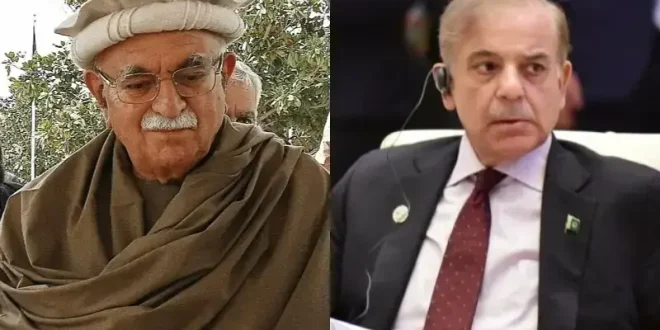
In a move underscoring the delicate balance of Pakistan’s democratic institutions, National Assembly Opposition Leader Mehmood Khan Achakzai has formally urged Prime Minister Shehbaz Sharif to expedite the appointment of a new Chief Election Commissioner (CEC) and two members for the Election Commission of Pakistan (ECP) from Sindh and Balochistan. This demand, rooted in constitutional provisions, highlights a critical juncture for the nation’s electoral credibility and institutional independence.
The News: A Call for Constitutional Adherence
Mehmood Khan Achakzai, leading the Tehreek Tahafuz Ayeen-i-Pakistan (TTAP) and chairman of the Pakhtunkhwa Milli Awami Party (PkMAP), recently penned a letter to Prime Minister Shehbaz Sharif. In it, he stressed the “critical constitutional duty” to immediately fill key vacancies within the Election Commission of Pakistan (ECP). Achakzai pointed out that the current CEC, Sikandar Sultan Raja, along with the ECP members representing Sindh and Balochistan, have been serving for over a year beyond their constitutionally mandated five-year terms. He termed their continued tenure, despite the expiry of their original terms, as a matter of significant concern.
Achakzai’s letter specifically referenced Article 213(2A) and Article 218(2)(b) of the Constitution, which outline the consultation process between the Prime Minister and the Leader of the Opposition for such crucial appointments. The TTAP also convened a meeting to express its “astonishment and concern” over the delay, emphasizing that an impartial and independent ECP is fundamental for fair, transparent, and free elections in Pakistan.
Background: The ECP’s Role and Constitutional Framework
The Election Commission of Pakistan (ECP) stands as a cornerstone of the country’s democratic system. Its primary mandate is to organize and conduct free, fair, and transparent general and by-elections to the national and provincial assemblies, as well as local government elections. The ECP’s independence and impartiality are paramount for ensuring public trust in the electoral process and, by extension, the legitimacy of the government formed through it.
Key constitutional provisions govern the ECP’s composition and appointments:
- Article 213(2A): Mandates that the Prime Minister, in consultation with the Leader of the Opposition in the National Assembly, forwards three names for the appointment of the CEC to a Parliamentary Committee for hearing and confirmation.
- Article 218(2)(b): Stipulates that the appointment of ECP members from each province follows the same rigorous consultation process between the Prime Minister and the Leader of the Opposition as for the CEC.
- Article 215(4): Requires that appointments to these posts be made within 45 days after the positions become vacant, ensuring a timely transition and continuity.
A crucial element in the current situation is a proviso inserted into Article 215(1) through the 26th Constitutional Amendment. This proviso allows the Chief Election Commissioner and ECP members to continue serving until their successors are appointed. While intended to prevent an institutional vacuum during transition periods, critics argue that its prolonged application, as seen in the current scenario where officials have served for over a year beyond their original terms, can undermine the spirit of constitutional term limits and raise questions about the commission’s independence.
The delay in making these appointments has a precedent. Earlier, the absence of an officially notified Leader of the Opposition in the National Assembly was cited as a hurdle. However, with Achakzai now holding that position, this particular excuse is no longer valid, putting the onus squarely on the government to initiate the constitutional process.
Notably, Achakzai’s own standing has been subject to ECP scrutiny; the commission recently refused to recognise him as chairman of the PkMAP over the party’s failure to hold intra-party elections. This personal context adds another layer to his current public and constitutional push.
Impact on Pakistan: Erosion of Trust and Democratic Norms
The prolonged delay in appointing new leadership to the ECP carries significant implications for Pakistan’s democratic future:
- Erosion of Electoral Credibility: When key electoral officials remain in their posts well beyond their mandated terms, even under a constitutional proviso, it can fuel public skepticism about the impartiality and fairness of future elections. Pakistan has a history of controversial election outcomes, making the ECP’s perceived neutrality absolutely vital.
- Undermining Democratic Principles: Adherence to constitutional timelines and processes is fundamental to democratic governance. Deviating from these norms, especially for an institution as critical as the ECP, can set a dangerous precedent, weakening the rule of law and institutional checks and balances.
- Political Instability: Disputed election results often translate into political unrest and instability in Pakistan. A fully constituted and unquestioned ECP is essential to legitimize the electoral process and the subsequent government, fostering stability.
- Public Perception: The continued delay can be perceived as either governmental inefficiency, a struggle for political consensus, or worse, an attempt to maintain a pliable leadership within a crucial independent body. This directly impacts public trust in state institutions.
Analysis: Achakzai’s Stance and the Government’s Dilemma
Achakzai’s letter is a multifaceted political and constitutional intervention. On one hand, it represents a legitimate call for adherence to constitutional timelines and the principles of transparency and independence for a vital democratic institution. The very existence of a proviso allowing officials to continue until successors are appointed highlights the *expectation* of timely transitions, not prolonged tenures beyond five years. Achakzai’s demand, therefore, champions constitutionalism.
On the other hand, the move also carries strategic political weight for Achakzai. By championing this cause as the Leader of the Opposition, he asserts his constitutional role and positions himself and TTAP as custodians of democratic norms. This could resonate with a populace often weary of political maneuvering and desirous of institutional integrity. It also puts the ruling coalition, led by Prime Minister Shehbaz Sharif, under pressure to demonstrate its commitment to constitutional processes and good governance.
The ECP’s earlier refusal to recognize Achakzai as PkMAP chairman introduces an intriguing dynamic. While seemingly a separate administrative matter, it adds a layer of existing tension between Achakzai and the institution he is now advocating to reform. His push could be seen as a broader effort to ensure the ECP’s independence from political influence, regardless of its past decisions concerning his own party.
The government’s delay, despite the proviso of Article 215(1), signals a potential political impasse or a strategic decision. While the proviso offers legal cover, its continuous use for over a year beyond the original five-year terms goes against the spirit of expeditious appointments. This prolonged delay could stem from a lack of consensus on potential candidates, a deliberate attempt to retain the incumbent leadership due to perceived political convenience, or simply bureaucratic inertia. However, the absence of a notified Leader of the Opposition, a previous excuse, is now moot, making the current delay less justifiable.
For Pakistan to build a robust and credible democratic system, the independence and perceived neutrality of the ECP are non-negotiable. The timely appointment of new leadership, through the constitutionally prescribed consultation and parliamentary committee processes, is not just a procedural formality but a critical step towards restoring public confidence and strengthening the foundations of fair elections. The ball is now firmly in the Prime Minister’s court to initiate these crucial consultations with the Leader of the Opposition and uphold the constitutional mandate without further delay.
This analysis is based on the news summary provided, focusing on the constitutional implications and political dynamics surrounding the Election Commission of Pakistan appointments.
“`