 Dost Pakistan Journeys Tours and safaris in the North & South Pakistsn
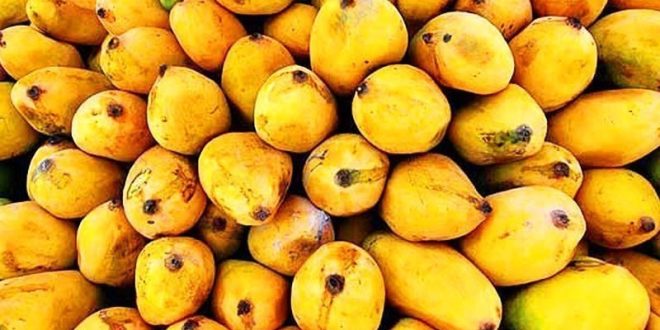
Geopolitical Storms Choke Pakistan’s Mango Exports: A Deep Dive into Trade Disruptions
The News: A Plummet in a Prized Export
Pakistan’s esteemed mango industry, a significant contributor to the nation’s agricultural exports, has experienced a severe setback, reporting a substantial 36% decline in its annual shipments. This year, the country managed to export only 78,000 tonnes of mangoes, a stark contrast to the 123,000 tonnes shipped last year. The primary culprits for this sharp downturn, according to the All Pakistan Fruit and Vegetables Exporters Association, are the escalating geopolitical tensions in the Middle East, specifically those involving the US and Iran, which have profoundly disrupted vital shipping lanes and sent freight costs skyrocketing.
The economic repercussions are tangible: Pakistan’s mango export earnings have diminished from an estimated $100 million to approximately $60 million. The Middle East, historically a pivotal market for Pakistani mangoes, bore the brunt of this disruption, with exports to the region plummeting from 36,000 tonnes last year to a mere 14,500 tonnes this year. These challenges are intrinsically linked to the precarious situation in the Strait of Hormuz and the exponential rise in international shipping expenses for perishable goods.
Background: A Nexus of Geopolitics, Logistics, and Climate
The Volatile Strait of Hormuz and Global Shipping
The “US-Iran war” cited by exporters refers to the heightened and sustained state of geopolitical tension and proxy conflicts within the wider Middle East. While not a declared, conventional war, this ongoing friction fosters an environment of significant maritime insecurity. The Strait of Hormuz, a narrow yet profoundly strategic waterway between Iran and Oman, acts as a critical global chokepoint. It funnels a substantial portion of the world’s oil and liquefied natural gas, alongside considerable general cargo. Any perceived threat, naval incident, or actual disruption in this strait triggers immediate repercussions across global trade, leading to exorbitant insurance premiums, forced re-routing of vessels, and significantly prolonged transit times.
The recent surge in regional hostilities, including attacks on commercial shipping in the Red Sea and Gulf of Aden (often attributed to Houthi rebels in Yemen, a proxy linked to Iran), further exacerbates the situation. These attacks compel many vessels to take the much longer and costlier route around the Cape of Good Hope, thereby bypassing the Suez Canal, Red Sea, and subsequently, the Persian Gulf. For highly perishable goods like fresh mangoes, such extended shipping periods and ballooning costs can render export operations financially unviable, directly leading to spoilage and missed market opportunities.
Pakistan’s Mango Industry: A Dual Challenge
Pakistan has long been celebrated for its diverse and exquisite mango varieties, with the ‘Chaunsa’ holding particular renown as a premium export. Until 2018, the nation was a global powerhouse, ranking sixth worldwide in mango production, yielding an impressive 1.9 million metric tonnes annually. This sector is not merely an agricultural pursuit; it’s a vital economic engine, supporting countless farming communities and contributing significantly to national GDP and foreign exchange earnings.
However, the sector faces an equally formidable long-term threat: climate change. The All Pakistan Fruit and Vegetables Exporters Association highlights global warming as a critical factor behind a 35% decline in overall mango production over the past four years. Increasingly unpredictable weather patterns, including extended droughts, intense heatwaves, and unseasonal rainfall, directly impair yields, diminish fruit quality, and exacerbate the vulnerabilities of an already sensitive agricultural sector.
Impact on Pakistan: Eroding Earnings and Supply Chain Fragility
The 36% decline in mango exports represents a substantial economic blow to Pakistan, particularly at a time when the country is striving to stabilize its economy and boost foreign exchange reserves. The loss of $40 million in export earnings is significant. The staggering increase in freight rates – from an average of $1,000-$1,400 per shipment to an unprecedented $8,000 – transforms what was once a profitable venture into a financially ruinous one for many exporters. This cost escalation is particularly devastating for fresh produce, where rapid delivery and cost-efficiency are paramount.
Traditional and highly lucrative markets in the Middle East, including the United Arab Emirates, Oman, Saudi Arabia, Kuwait, and Qatar, have become economically inaccessible for many Pakistani mango varieties. The extended transit times through the Strait of Hormuz not only inflate costs but also drastically increase the risk of product degradation, making it difficult for Pakistani mangoes to compete in quality and freshness upon arrival.
Adding to these external pressures, Pakistan’s exports to neighboring Afghanistan, another crucial market, have also suffered. Frequent border closures, stemming from strained diplomatic relations between the two nations, have created intermittent blockades, further disrupting the flow of agricultural goods and denying Pakistani farmers a nearby, accessible market. This underscores the multi-faceted vulnerability of Pakistan’s export ecosystem to both international geopolitical shifts and regional political dynamics.
Analysis: Navigating a Turbulent Global Trade Landscape
The predicament of Pakistan’s mango industry serves as a stark illustration of the intricate and often volatile challenges confronting global supply chains today. It highlights how a complex interplay of geopolitical instability, logistical bottlenecks, and the irreversible march of climate change can severely impact agricultural exports and national economies far removed from the immediate conflict zones.
For Pakistan, immediate strategic responses must focus on mitigating existing risks. This could involve exploring alternative, albeit potentially more expensive, shipping routes (though limited for perishable goods), investing heavily in advanced cold chain logistics to extend shelf life, and potentially diversifying its market reach beyond the Middle East, if viable. Diplomatically, ensuring the security of critical shipping lanes through regional dialogue and de-escalation efforts becomes crucial for long-term stability.
In the longer term, Pakistan must double down on climate resilience strategies for its agricultural sector. This includes accelerating research into climate-adaptive crop varieties, implementing efficient water management systems, and promoting sustainable farming practices to stabilize and enhance mango production amidst changing environmental conditions. The dramatic decline in mango exports is more than just a seasonal dip; it’s a sobering reminder of the interconnectedness of our world, where conflicts thousands of miles away, combined with environmental shifts, directly impinge on the livelihoods of farmers and the economic prosperity of nations. Pakistan’s challenge is not merely to recover lost revenue but to forge a more robust and adaptable export strategy capable of weathering the increasing unpredictability of the 21st-century global landscape.
