Dost Pakistan Journeys Tours and safaris in the North & South Pakistsn
Related Articles

“`html
PIMS Fire Tragedy: Unpacking Pakistan’s Public Healthcare Infrastructure Crisis
The Immediate Aftermath: PIMS Fire and Disrupted Healthcare
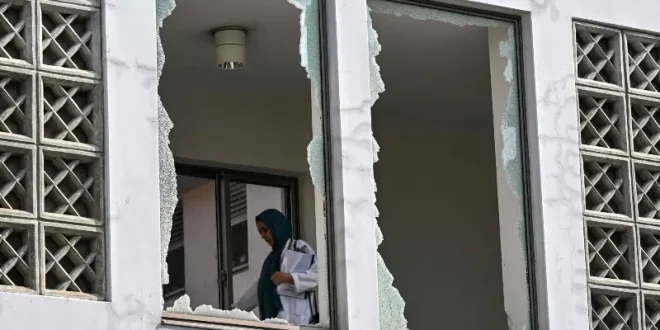
The recent catastrophic fire that engulfed a gynaecology ward at the Pakistan Institute of Medical Sciences (PIMS) has plunged the nation into grief, with the tragic loss of 14 newborn infants. This devastating incident has triggered immediate, albeit temporary, operational changes at PIMS, a critical federal hospital in Islamabad. With its nursery destroyed and essential facilities compromised, PIMS is now redirecting serious gynaecological cases to other healthcare facilities in Rawalpindi, including Polyclinic, underscoring the severe strain placed on an already challenged healthcare system.
Initial reports from the Health Minister suggested an “air conditioner blast” as the cause, though an official inquiry is underway to ascertain the precise circumstances. The severity of the tragedy prompted swift action from Prime Minister Shehbaz Sharif, who removed the federal health secretary and initiated a high-level investigation. In an unconventional move, the newly appointed Health Secretary, Capt (retd) Muhammad Mehmood, has announced his intention to run the ministry directly from PIMS, aiming for a hands-on understanding of the hospital’s issues. Concurrently, the Punjab Healthcare Commission (PHC) has issued urgent directives for stringent fire safety measures across hospitals in Punjab, acknowledging a broader systemic vulnerability that transcends PIMS.
Beneath the Surface: Pakistan’s Overstretched Healthcare Landscape
The PIMS tragedy is not an isolated event but rather a grim indicator of deep-seated, systemic vulnerabilities within Pakistan’s public healthcare infrastructure. Decades of underinvestment, coupled with rapid population growth, have left public hospitals chronically underfunded and overburdened. Many facilities operate with outdated infrastructure, insufficient medical equipment, and a critical shortage of trained personnel. Routine maintenance, particularly for crucial safety systems like electrical wiring and fire suppression, often takes a backseat due to budgetary constraints and bureaucratic inefficiencies.
PIMS, despite its status as a tertiary care hospital, faces these endemic challenges daily. Its commitment to a “no refusal policy” – accepting all patients regardless of their condition – while noble, inevitably pushes the hospital’s resources to their absolute limit. This overcapacity creates a precarious environment where any unexpected incident, such as a fire, can rapidly escalate into a full-blown disaster due to compromised infrastructure and stretched emergency response capabilities. Eyewitness accounts of delayed assistance, locked doors, and difficulties accessing critical units during the fire highlight a glaring deficit in emergency preparedness and rapid crisis management protocols that are fundamental to modern healthcare.
Wider Repercussions: Eroding Trust and Catalyzing Reform Demands
The PIMS fire carries far-reaching consequences that extend beyond the immediate human cost and operational disruption. It has severely shaken public confidence in the safety and reliability of government-run healthcare institutions, particularly for vulnerable populations like newborns. The temporary diversion of patients to other hospitals in Rawalpindi will inevitably strain these facilities, which are often already operating at or beyond capacity, potentially leading to a broader compromise in healthcare quality across the region.
Nationally, the incident has amplified urgent calls for comprehensive healthcare reform. The PHC’s prompt directives for improved fire safety signal a growing awareness among authorities of widespread deficiencies, potentially leading to nationwide audits and policy revisions. However, achieving genuine, lasting change will require substantial and sustained political will, coupled with significant financial investment, moving beyond piecemeal solutions. The new Health Secretary’s hands-on approach, while commendably unique, faces the monumental challenge of transforming deeply entrenched administrative and operational issues. Its success will depend on his ability to translate his presence into tangible systemic improvements rather than merely overseeing immediate repairs.
Economically, the expense of repairing and upgrading PIMS, coupled with potential compensation for victims and the broader investment required for nationwide safety enhancements, represents a considerable financial burden. Yet, the human toll—the profound grief of the bereaved families, the trauma experienced by healthcare workers, and the collective anxiety permeating society—is immeasurable, serving as a powerful, albeit tragic, impetus for fundamental change.
Beyond the Flames: A Call for Systemic Overhaul in Public Healthcare
The PIMS tragedy is a stark and painful revelation of the precarious state of Pakistan’s public healthcare system, exposing several critical fault lines that demand immediate and comprehensive attention:
- Infrastructure and Maintenance Deficits: The incident underscores the urgent need for a nationwide audit of hospital infrastructure, with a critical focus on fire safety systems, electrical integrity, and clearly marked, accessible emergency exits. Proactive, scheduled maintenance must replace the current reactive approach.
- Emergency Preparedness and Response: Witness accounts during the crisis highlight a severe lack of preparedness. Hospitals require robust, regularly updated emergency response plans, mandatory fire drills, easily accessible safety equipment, and well-trained staff capable of executing rapid and effective crisis interventions.
- Accountability and Governance: While the swift removal of the Health Secretary signifies a push for accountability, true change requires transparent investigations, holding negligent parties responsible, and implementing systemic reforms to prevent future lapses. The new secretary’s direct engagement from PIMS, while a unique initiative, must translate into concrete policy adjustments and enhanced administrative oversight.
- Resource Allocation and Capacity Building: The humanitarian “no refusal” policy becomes unsustainable and potentially dangerous without commensurate resources. Substantial investment in expanding hospital bed capacity, modernizing medical equipment, and increasing the number of qualified healthcare professionals is paramount.
- Rebuilding Public Trust: Restoring public confidence will necessitate not only transparent investigations and effective reforms but also consistent and clear communication, demonstrating an unwavering commitment to patient safety and well-being.
In conclusion, the PIMS fire is more than a localized tragedy; it is a national reckoning. It forces Pakistan to confront the harsh realities of its public healthcare infrastructure and governance. While the immediate imperative is to repair the damage and manage patient referrals, the long-term vision must encompass a holistic and sustained commitment to rebuilding trust through robust infrastructure, stringent safety standards, efficient emergency protocols, and unwavering accountability. Only through such comprehensive efforts can Pakistan hope to prevent the recurrence of such heartbreaking incidents and ensure its citizens have access to safe, dignified, and quality healthcare.
“`