Dost Pakistan Journeys Tours and safaris in the North & South Pakistsn
Related Articles


Suspects arrested in JPMC doctor murder case killed in exchange of fire with accomplices, police claim
The tragic killing of Dr. Akash Kumar, a dedicated house officer at Jinnah Postgraduate Medical Centre (JPMC), sent shockwaves through Karachi. What followed was a swift police response, leading to arrests, and now, a dramatic and controversial conclusion: the three primary suspects have been killed in an alleged exchange of fire with their accomplices. This incident, while bringing a quick end to a high-profile case, reignites critical discussions about law enforcement practices, the rule of law, and the complex challenges of urban crime in Pakistan.
The News: A Dramatic Turn in the Dr. Akash Murder Case
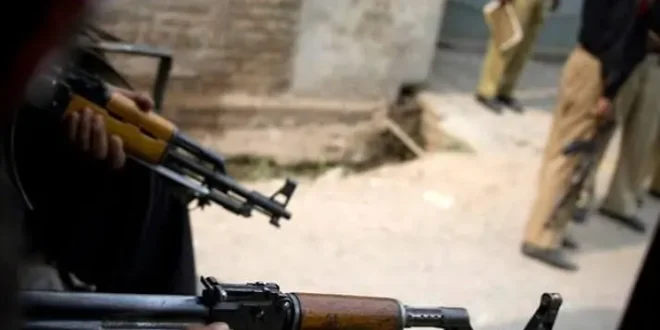
In a significant development reported on Thursday, the Special Investigation Unit (SIU) of the Karachi Police claimed that the three suspects arrested in connection with the murder of Dr. Akash Kumar were killed during an encounter. The police stated they had taken the suspects to Ahmed Brohi Goth, near the Northern Bypass Toll Plaza, to identify and apprehend their accomplices. According to the SIU, the accomplices allegedly opened fire upon seeing the law enforcers, leading to a shootout. In the crossfire, the three suspects and one police official were reportedly injured. While the police official’s condition was not detailed, the three suspects succumbed to their injuries en route to JPMC, the very hospital where Dr. Akash served.
This incident occurred on the same day that the suspects’ seven-day physical remand, granted by a judicial magistrate, was set to expire. The police had initially requested a 14-day remand for further investigation into the intricate network behind the crime, which included a bank insider.
Background: A City Plagued by Crime and Outrage
The Murder of Dr. Akash Kumar
The sequence of events began on July 13 when Dr. Akash Kumar was brutally gunned down during a robbery near Teen Talwar in Clifton, Karachi. He had just withdrawn a significant sum of cash, Rs2 million, from a private bank. Police reports indicated that Dr. Akash, along with his father and cousin, were intercepted by four robbers on two motorcycles while en route to a second bank. One of the suspects opened the car door and fired, fatally injuring Dr. Akash.
The murder immediately sparked widespread condemnation and grief. The medical community, deeply shaken by the loss of a young colleague, staged protests at JPMC, demanding justice and highlighting the pervasive issue of street crime in Karachi. The Pakistan Medical Association (PMA) also voiced its outrage, underscoring the deteriorating law and order situation that leaves ordinary citizens, including professionals, vulnerable.
The Investigation and Arrests
In response to the public outcry, Karachi police launched an immediate investigation. On the night of July 14, a suspicious vehicle was spotted in the Defence area, leading to a pursuit and the arrest of three suspects. Police seized mobile phones and three pistols, alongside a white Suzuki Alto allegedly used in the crime, bearing fake registration plates. Crucially, a press release dated July 15 revealed that during initial interrogation, the suspects confessed to their involvement in Dr. Akash’s killing. They reportedly divulged a sophisticated modus operandi: they had monitored the victim after being tipped off by an accomplice inside the first bank, who informed them about the victim’s appearance and the amount of cash withdrawn. This indicated a well-organized criminal gang with inside connections, involved in a wider range of robberies and street crimes across the city.
Impact on Pakistan: Justice, Trust, and the Rule of Law
The alleged encounter and subsequent deaths of the suspects in the Dr. Akash Kumar case carry significant implications for Pakistan, particularly concerning its justice system and public safety:
- Public Trust in Law Enforcement: While some segments of the public, frustrated by slow judicial processes and rising crime, might view such encounters as swift justice, a significant portion often questions their legitimacy. Pakistan has a history of alleged extrajudicial killings, often termed “fake encounters,” which erode public trust in law enforcement agencies. The standardized narrative of suspects being killed while identifying accomplices often fuels skepticism, leading to calls for greater transparency and accountability.
- Rule of Law vs. Expediency: This incident reignites the perennial debate in Pakistan about upholding the rule of law versus resorting to extrajudicial measures for crime control. A functioning democracy relies on due process, where suspects are apprehended, tried in court, and, if found guilty, punished according to law. Bypassing this process, even for heinous crimes, can set a dangerous precedent, undermining the very foundations of the justice system.
- Safety and Security Concerns: The initial murder of Dr. Akash highlighted the palpable fear among Karachi residents regarding street crime and targeted robberies. While the elimination of the suspects might offer a temporary sense of relief for some, it doesn’t necessarily address the systemic issues that foster such criminal networks, especially the role of insiders in financial institutions. The underlying anxieties about personal safety and the inability of law enforcement to fully dismantle these gangs persist.
- Medical Community’s Perspective: The protests following Dr. Akash’s murder showed the profound impact on the medical community. While the immediate case has reached a definitive, albeit controversial, end, the fundamental concerns about the safety of professionals and citizens going about their daily lives remain pertinent.
Analysis: Unpacking the “Encounter” Narrative
The police’s account of the suspects’ deaths, while providing a rapid conclusion to a high-profile case, warrants careful scrutiny. Several aspects of the “encounter” narrative commonly raise questions:
- The Standard Script: The scenario presented by the SIU—taking suspects to identify accomplices, an ambush by the accomplices, and the suspects being killed in the ensuing crossfire—is a recurring theme in many alleged police encounters in Pakistan. This standardized narrative often raises eyebrows regarding its veracity and whether it serves as a convenient explanation for extrajudicial killings.
- Timing and Due Process: The incident occurring precisely on the day the suspects’ physical remand ended is a detail that cannot be overlooked. It begs the question of why such an operation was conducted at such a critical juncture, preventing further interrogation under remand that might have yielded more extensive information about the criminal network. The judicial process, which had just begun, has been entirely circumvented.
- Lost Opportunity for Deeper Investigation: The suspects had confessed to their involvement and, crucially, revealed the existence of a bank insider who tipped them off. Their deaths mean that a direct line of interrogation into this insider’s identity and the broader network’s operations has potentially been severed. This raises concerns about whether the police have genuinely dismantled the entire criminal organization or merely eliminated street-level operatives, leaving the more insidious elements of organized crime unaddressed.
- Accountability and Transparency: For public trust to be maintained, thorough and impartial investigations into all alleged police encounters are essential. This includes forensic examinations, independent inquiries, and clear explanations for how suspects, under police custody, became fatalities in a crossfire. Without such transparency, the specter of extrajudicial killings will continue to haunt the justice system.
Ultimately, while the rapid conclusion to the Dr. Akash Kumar murder case might offer some closure to his grieving family and a sense of “justice” for some, it comes at a significant cost to the principles of due process and the rule of law. For Karachi to truly combat its endemic crime problem, the focus must shift from dramatic, often questionable, encounters to robust, transparent investigations that dismantle criminal networks through legal channels, ensuring both justice for victims and accountability for all perpetrators, from street thugs to their inside facilitators.