 Dost Pakistan Journeys Tours and safaris in the North & South Pakistsn
Related Articles

Traffic Tragedy in Multan: A Deeper Look into Pakistan’s Road Safety Crisis
The recent devastating incident on Multan’s Bosan Road, which tragically claimed the lives of five young men in their early twenties, serves as a stark and painful reminder of the persistent and alarming road safety challenges faced across Pakistan. This particular accident, while locally impactful, resonates with a much broader national crisis demanding urgent attention and systemic reform.
The News: A Moment of Tragedy
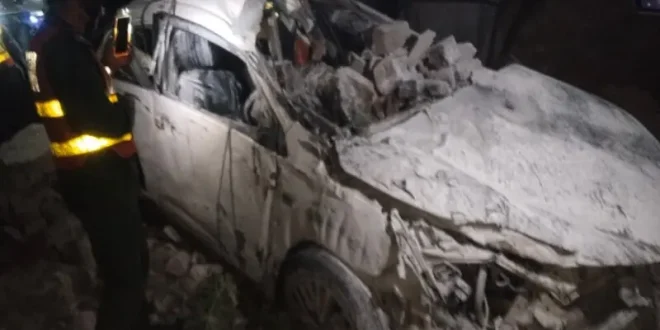
In the quiet pre-dawn hours of a Monday morning, a catastrophic event unfolded on Multan’s Bosan Road. A Toyota Corolla, reportedly traveling at high speed, veered off its path, colliding with a road divider before crashing violently into the wall of an adjacent property and subsequently catching fire. The sheer force of the impact and the ensuing blaze resulted in the immediate demise of all five occupants, residents of Shujaabad, whose ages spanned from 22 to approximately 28 years. Emergency services, specifically Rescue 1122, were on the scene, successfully bringing the fire under control and transferring the victims’ bodies, all of whom sustained severe head injuries, to Nishtar Hospital. This heartbreaking incident unequivocally spotlights the brutal and often immediate consequences of high-speed collisions.
Background: A Pervasive National Challenge
The Multan tragedy is far from an isolated event; rather, it is a grim illustration of a widespread public safety issue. Pakistan, particularly its populous province of Punjab, grapples with an alarmingly high incidence of road traffic accidents. Recent data from Rescue 1122 for the month of May alone reveals a staggering 43,160 road traffic crashes across Punjab, resulting in 23,013 serious injuries and 434 fatalities. These comprehensive figures paint a concerning picture, pointing to systemic deficiencies that repeatedly contribute to such devastating outcomes.
Several critical factors commonly underpin these frequent and often fatal mishaps:
- Pervasive Speeding Culture: As tragically evidenced in the Multan accident, excessive speed remains a predominant factor in many crashes, often exacerbated by insufficient enforcement and a lack of public awareness regarding its inherent dangers.
- Infrastructure Deficiencies: While ongoing improvements are visible on major routes, many roads across the country suffer from inadequate design, poor lighting, unclear signage, and insufficiently protected road dividers, which can paradoxically become hazards themselves upon impact.
- Inadequate Driver Education & Licensing: Inconsistent and often lax driver training and licensing standards contribute to a driving population ill-equipped to handle challenging road conditions, manage vehicle emergencies, or practice defensive driving techniques.
- Substandard Vehicle Maintenance: Many vehicles on Pakistani roads operate without regular safety checks. Poorly maintained vehicles, coupled with a lack of modern safety features, can significantly exacerbate the severity of accidents.
- Gaps in Enforcement: Inconsistent application of traffic laws, particularly concerning speeding, reckless driving, and overloading, allows dangerous and non-compliant practices to persist widely.
Impact on Pakistan: Beyond the Immediate Loss
The repercussions of road accidents, especially those claiming multiple young lives, extend far beyond the immediate grief and property damage. The consistent toll on young individuals, like those lost in Multan, represents an immense blow to the nation’s human capital and socio-economic fabric.
- Profound Human Cost and Societal Trauma: Each fatality leaves behind shattered families, creating profound and lasting psychological and emotional scars within communities. The loss of five young men in their prime impacts not only their immediate loved ones but also their wider social networks and the future contributions they could have made to society and the national economy.
- Significant Economic Burden: Road accidents impose a substantial economic strain on the nation. This includes direct costs such as emergency response services, extensive medical care for survivors, property damage, and insurance payouts. Indirect costs are equally weighty, encompassing lost productivity, legal expenses, and long-term rehabilitation for those with severe injuries, diverting crucial resources from other developmental initiatives.
- Strain on Public Services: Emergency response teams, like Rescue 1122, are constantly operating under immense pressure, stretching their resources and capacity due to the high volume of incidents. This constant demand can impact their ability to respond effectively to other types of emergencies.
- Erosion of Trust and Quality of Life: A pervasive sense of insecurity on the roads can diminish public trust in safety regulations and government oversight. This, in turn, can negatively impact the overall quality of life and hinder economic activity and personal mobility.
Analysis: Towards a Safer Road Ahead
The tragedy on Multan’s Bosan Road underscores the urgent and undeniable need for a comprehensive, multi-pronged approach to significantly enhance road safety in Pakistan. Addressing this complex and deeply rooted issue requires coordinated and unwavering efforts from all stakeholders: government bodies, law enforcement agencies, civil society organizations, and individual citizens.
Key Areas for Strategic Intervention:
- Strengthening Law Enforcement and Accountability:
- Consistent Speed Control: Implementing and rigorously enforcing speed limits through highly visible police presence, modern speed cameras, and automated ticketing systems across all major roads.
- Deterrent Penalties: Ensuring that penalties for all traffic violations, especially reckless driving and speeding, are severe enough to act as effective deterrents, with a focus on consistent application.
- Zero Tolerance for Reckless Driving: Aggressively cracking down on dangerous maneuvers, dangerous overtaking, driving under the influence, and distracted driving (e.g., mobile phone use).
- Investing in Safer Infrastructure:
- Improved Road Design: Designing roads that inherently promote safety, incorporating clear lane markings, well-marked pedestrian crossings, consistent signage, and adequate lighting, especially in urban areas and accident black spots.
- Safer Dividers and Barriers: Installing crash-tested road barriers and protective dividers that are designed to minimize injury upon impact, particularly on high-speed corridors like Bosan Road.
- Regular Maintenance: Ensuring timely repair of potholes, damaged road surfaces, and malfunctioning traffic signals to prevent them from becoming hazards.
- Enhancing Driver Education and Public Awareness:
- Comprehensive Driving Schools: Standardizing and significantly upgrading driving school curricula to emphasize defensive driving techniques, hazard perception, and a deep understanding of the severe consequences of risky driving behaviors.
- Sustained Public Awareness Campaigns: Launching targeted, sustained national campaigns using various media channels to highlight the dangers of speeding, distracted driving, and the critical importance of seatbelt and helmet usage. Youth engagement through schools and social media platforms is paramount.
- Stricter Licensing: Implementing more stringent, transparent, and comprehensive driving license acquisition processes, including practical driving tests that truly assess a driver’s competency and adherence to traffic laws.
- Promoting Vehicle Safety Standards:
- Mandatory Inspections: Implementing periodic and mandatory vehicle fitness inspections, with a particular focus on commercial and public transport vehicles, to ensure roadworthiness.
- Encouraging Safer Vehicles: Developing policies that encourage the import and local manufacturing of vehicles equipped with modern safety features such as airbags, Anti-lock Braking Systems (ABS), and Electronic Stability Control (ESC).
The tragic loss of five young lives on Multan’s Bosan Road is a searing reminder of a crisis that the nation can no longer afford to overlook. While Rescue 1122’s prompt and professional response is commendable, the overarching focus must unequivocally shift towards preventing such incidents from occurring in the first place. Pakistan cannot continue to lose its vital youth to entirely preventable road accidents. A collective, sustained commitment to better enforcement, safer infrastructure, comprehensive education, and responsible driving is not merely desirable but absolutely essential to turn the tide against this silent epidemic and ensure that the nation’s roads become pathways to progress, not peril.
