Dost Pakistan Journeys Tours and safaris in the North & South Pakistsn
Related Articles


“`html
Pakistan’s Looming Winter Fuel Crisis: Unpacking the LPG Hoarding Challenge
As the colder months draw near, Pakistan is once again grappling with the specter of an artificial shortage and exorbitant pricing of Liquefied Petroleum Gas (LPG). This analysis delves into the government’s recent proactive stance, the intricate background of the issue, its profound impact on the nation, and a critical assessment of potential long-term solutions.
The News: Government Mobilizes Against LPG Hoarding
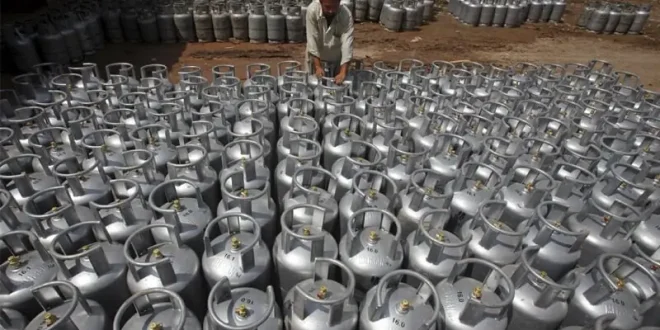
The government of Pakistan has initiated urgent measures to counteract the alleged hoarding of Liquefied Petroleum Gas, a practice suspected of creating an artificial scarcity just as winter demand begins to peak. The Petroleum Division has raised alarms over irregular lifting patterns of imported LPG from various terminals, signaling a deliberate attempt to manipulate market supply for profit. This manipulative behavior has reportedly pushed the retail price of an 11.8kg domestic LPG cylinder to an alarming Rs5,000, significantly surpassing the Oil and Gas Regulatory Authority (Ogra)’s officially notified rate of Rs3,296 – an increase of nearly 50 percent.
In response, Ogra has been directed to ensure consistent supplies at regulated prices, prioritizing remote, hilly, and off-grid regions where dependence on LPG for essential heating and cooking needs is absolute. Concurrently, the government reiterated its commitment to implementing a transparent and competitive mechanism for the distribution of locally produced LPG, acknowledging that current efforts are hampered by ongoing litigation but vowing to pursue all available legal avenues.
Background: A Confluence of Seasonal Demand and Systemic Vulnerabilities
Pakistan’s energy landscape features LPG as a critical lifeline, particularly for the vast segments of the population living in areas beyond the natural gas pipeline network. The country’s LPG supply, a blend of indigenous production and substantial imports, operates within a delicate balance that is frequently disrupted by predictable seasonal shifts and deeper structural challenges.
- Predictable Winter Surge: The onset of winter invariably brings a sharp increase in demand for heating and cooking fuels. This predictable surge often creates fertile ground for market speculation and hoarding, as opportunistic players seek to maximize profits by exploiting anticipated scarcity.
- Regulatory Oversight and Enforcement Gaps: While Ogra is mandated to regulate the LPG sector, including price notification and ensuring supply continuity, the persistent divergence between official and market prices highlights significant challenges in real-time monitoring and robust enforcement across Pakistan’s diverse supply chain.
- Concentrated Market Power: A key systemic issue identified by the Petroleum Division is the control of locally produced LPG by a limited number of market players. Such market concentration can stifle genuine competition, enabling a few entities to exert undue influence over supply dynamics and pricing.
- Policy Impasse Due to Litigation: Government attempts to introduce a “transparent competitive process” for allocating indigenous LPG – a crucial step towards fostering fair competition and preventing market manipulation – have faced significant legal hurdles. This ongoing litigation means that existing, potentially exploitable, allocation mechanisms remain in place.
- Broader Economic Context: The current LPG crisis unfolds against a backdrop of already high inflation and economic uncertainty in Pakistan. Any sharp increase in essential commodity prices like LPG disproportionately burdens households, exacerbating the overall cost-of-living crisis.
Impact on Pakistan: Cascading Consequences for Citizens and Economy
The alleged hoarding and subsequent soaring LPG prices carry severe repercussions for various facets of Pakistani society and its economy:
- Exacerbated Consumer Hardship: For millions, especially in remote and higher altitude regions, LPG is not a convenience but a fundamental necessity. A 50% price increase translates into significant financial distress, forcing families to compromise on other basic needs or resort to unsafe, environmentally harmful, and health-hazardous alternative fuels such as biomass.
- Economic Strain and Inflationary Pressure: Unchecked price surges in essential commodities like LPG fuel inflationary spirals, eroding the purchasing power of citizens and contributing to broader economic instability. Small and medium-sized enterprises reliant on LPG also face escalating operational costs, potentially hindering growth or leading to closures.
- Erosion of Public Confidence: The government’s perceived inability to secure essential supplies at stable, regulated prices can severely undermine public trust in state institutions and regulatory bodies. Public frustration intensifies when shortages and high prices are clearly attributable to artificial manipulation.
- Governance and Regulatory Challenges: For regulatory authorities like Ogra and the Petroleum Division, such crises expose systemic vulnerabilities in market oversight, enforcement capabilities, and the effectiveness of policy implementation. It underscores the urgent need to transition from reactive measures to proactive structural reforms.
Analysis: Towards Sustainable Energy Security and Market Integrity
The current LPG predicament is not merely an isolated incident but a recurring manifestation of deeper, unresolved structural flaws within Pakistan’s energy sector. While the government’s immediate directive to Ogra is a necessary intervention, achieving long-term stability and ensuring equitable access requires a comprehensive, multi-faceted strategy.
Addressing Immediate Challenges:
- Robust Enforcement and Monitoring: Ogra must transition from reactive directives to proactive, robust enforcement. This entails real-time, transparent monitoring of LPG imports, lifting, and distribution across all tiers of the supply chain. Imposing stringent penalties, including substantial fines and license revocations for hoarders and price gougers, is crucial. Enhanced inter-provincial coordination is vital for a unified crackdown.
- Supply Chain Transparency and Accountability: Implementing digital tracking systems and making key supply chain data publicly accessible can significantly demystify distribution networks, helping to expose bottlenecks or deliberate holding back of supplies.
- Empowering Consumers: Establishing easily accessible and responsive helplines and online portals for reporting overpricing and shortages can empower consumers, providing regulators with actionable intelligence and fostering public vigilance.
Fostering Long-Term Structural Reforms:
- Expediting Legal Resolution for Fair Allocation: The government must prioritize and actively pursue the legal resolution surrounding the proposed transparent and competitive allocation mechanism for indigenous LPG. This is fundamental to dismantling entrenched market concentrations and establishing a genuinely level playing field, which is the most sustainable path to price stability and market fairness.
- Strategic Energy Reserves: Exploring the feasibility and establishing strategic LPG reserves could provide a crucial buffer against seasonal demand surges and unexpected supply disruptions, helping to stabilize market prices during peak periods.
- Strengthening Regulatory Capacity: Ogra’s institutional capacity needs continuous enhancement, including investing in advanced technological tools for market surveillance, increasing human resources, and providing specialized training for effective enforcement across the complex LPG network.
- Diversification of Energy Mix: While LPG remains vital, a long-term strategy must include exploring and investing in alternative, sustainable energy solutions for heating and cooking, particularly for remote areas. This can reduce over-reliance on a single fuel source and enhance overall energy security.
Pakistan’s journey towards true energy security and market integrity hinges not only on the availability of resources but, crucially, on their efficient, transparent, and equitable distribution. The current LPG crisis serves as a potent reminder that without addressing systemic vulnerabilities and challenging entrenched market manipulation, the cycle of artificial shortages and exploitative pricing will continue to impact the most vulnerable segments of society every winter. The government’s expressed commitment to legal recourse and policy reforms signals a recognition of these deeper issues, but the ultimate success will be judged by its swift and effective implementation, ensuring that every Pakistani has reliable access to affordable energy.
This analysis is based on the news published in Dawn on October 18th, 2026, and publicly available information regarding Pakistan’s energy sector.
“`