Dost Pakistan Journeys Tours and safaris in the North & South Pakistsn
Related Articles

“`html
Pakistan’s Escalating LPG Crisis: Double the Price, Double the Trouble
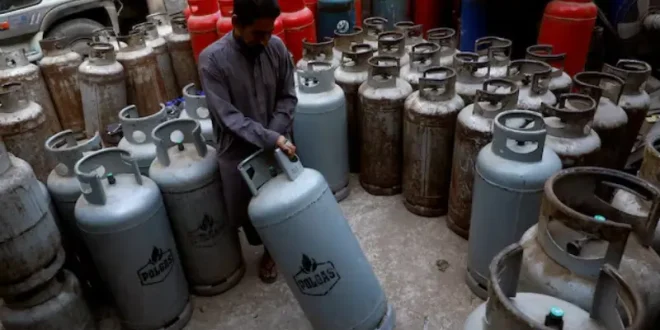
Pakistan is grappling with a severe liquefied petroleum gas (LPG) crisis, with open market prices soaring to more than double the official rates. This alarming disparity comes despite the Oil and Gas Regulatory Authority (Ogra) announcing a fresh increase in LPG prices for November. The situation is exacerbated by critical supply shortages, largely attributed to the closure of the Iranian border, a major source of the nation’s LPG imports, and contentious domestic policy disputes.
The Latest Developments
The latest notification from Ogra for November marked an increase of approximately Rs15 per kilogram, raising the official retail price of an 11.8 kg domestic cylinder to Rs3,470. This translates to an official rate of Rs294 per kilogram. Ogra attributed this hike primarily to a 6.47% increase in the Saudi Aramco Contract Price (CP), a global benchmark for LPG, alongside a marginal fluctuation in the US dollar exchange rate.
However, the ground reality paints a starkly different picture. In the open market, LPG is reportedly selling for as much as Rs630 per kilogram, with even company-operated franchises charging up to Rs400 per kilogram. This vast gap highlights a significant market failure, leaving consumers, especially those in remote areas or without access to natural gas, vulnerable to exorbitant pricing and acute shortages.
The crisis is compounded by the fact that approximately 70% of Pakistan’s LPG supply typically originates from Iran. The ongoing US-Iran geopolitical tensions and subsequent border closures have severely disrupted this crucial supply line. Adding to the turmoil, the LPG marketing companies have threatened a nationwide strike from November 16 if the government proceeds with a new LPG policy that they claim sidelines the private sector. They also accuse state-owned entities, which collect billions through the Petroleum Development Levy (PDL) for emergency imports, of failing to procure LPG during the current critical period.
Understanding the Background
To fully grasp the magnitude of Pakistan’s LPG predicament, it’s essential to understand several key elements:
- LPG’s Role in Pakistan: LPG serves as a vital energy source for millions of Pakistani households, particularly in regions not connected to the natural gas pipeline network. It is used extensively for cooking, heating, and in some commercial settings, making its affordability and availability critical for daily life.
- Ogra’s Mandate: The Oil and Gas Regulatory Authority (Ogra) is the principal body responsible for regulating the oil and gas sector in Pakistan. Its functions include setting pricing mechanisms, ensuring fair competition, and overseeing the operations of companies within the sector. However, the current situation questions the effectiveness of its regulatory oversight in controlling market manipulation.
- Saudi Aramco Contract Price (CP): This is an international benchmark used for pricing LPG. Fluctuations in the Saudi Aramco CP directly impact the cost of imported LPG for countries like Pakistan. This benchmark is influenced by global supply and demand dynamics, crude oil prices, and geopolitical factors, making Pakistan’s domestic LPG prices susceptible to international volatility.
- The Petroleum Development Levy (PDL): The PDL is a tax imposed by the government on petroleum products, including locally produced LPG. Its stated purpose is to generate revenue, part of which is often earmarked to subsidize state-owned entities (like PSO, Parco, SSGC) to import LPG during winter shortages or emergencies. The current controversy revolves around allegations that despite significant PDL collections, these state entities have not fulfilled their mandate to import LPG, contributing to the present crisis.
- Geopolitical Vulnerability: Pakistan’s heavy reliance on LPG imports from a single source, specifically Iran, exposes it to significant geopolitical risks. The ongoing US-Iran tensions and their impact on border trade have directly translated into domestic energy insecurity, highlighting the need for diversified supply chains.
Profound Impact on Pakistan
The spiraling LPG prices and acute shortages are having a far-reaching and detrimental impact across Pakistan:
- Economic Burden on Households: The most immediate consequence is the severe financial strain on ordinary citizens, especially low and middle-income families. With market prices doubling the official rate, affording essential cooking and heating fuel becomes a significant challenge, pushing more households into energy poverty.
- Inflationary Pressures: As a basic commodity, the rising cost of LPG directly contributes to overall inflation. This translates into higher costs for food and other goods, eroding purchasing power and further exacerbating the cost of living crisis already faced by many.
- Energy Security Concerns: The crisis underscores Pakistan’s precarious energy security situation. Over-reliance on a single, geopolitically sensitive import route makes the nation vulnerable to external shocks, threatening its ability to provide basic energy needs to its population.
- Impact on Small Businesses: Businesses that rely on LPG, such as small restaurants, bakeries, and workshops, face increased operational costs. This can lead to reduced profits, job losses, or even business closures, hindering economic activity.
- Public Frustration and Potential Unrest: The stark discrepancy between official prices and market realities, coupled with severe shortages, fuels public anger and distrust in government oversight. The threat of a strike by LPG marketers signals further disruption and potential social unrest.
- Erosion of Regulatory Authority: The failure to enforce official prices and control black-marketing severely undermines the credibility and effectiveness of regulatory bodies like Ogra, creating an environment ripe for exploitation.
Analysis: Unpacking the Crisis
The current LPG crisis is not merely a consequence of global price hikes; it’s a complex interplay of international dynamics, domestic policy shortcomings, and regulatory failures.
Root Causes:
- Global Price Volatility: The linkage to Saudi Aramco-CP means Pakistan’s LPG prices are inherently sensitive to global oil and gas market fluctuations. While the latest increase is partly due to this, it doesn’t explain the massive discrepancy in local prices.
- Geopolitical Exposure: The reliance on Iranian imports means Pakistan is directly caught in the crossfire of US-Iran geopolitical tensions. The closure of the border, whether official or unofficial due to heightened risks, cripples the most accessible and cost-effective supply route for a significant portion of the country’s LPG needs. This highlights a critical flaw in Pakistan’s energy import strategy.
- Regulatory Ineffectiveness and Market Manipulation: The most glaring issue is the vast difference between Ogra’s official price and the open market rate. This points to widespread black-marketing, hoarding, and profiteering by unscrupulous elements within the supply chain. Ogra’s inability to enforce its notified prices and ensure supply at regulated rates represents a significant regulatory failure.
- Flawed Policy Implementation and Governance: The controversy surrounding the Petroleum Development Levy (PDL) is symptomatic of deeper governance issues. If billions are collected to ensure emergency imports, yet state entities fail to act, it indicates either a misallocation of funds, bureaucratic inefficiency, or a lack of accountability. The proposed new LPG policy, which allegedly sidelines the private sector, further complicates matters, creating uncertainty and resistance from key industry players.
- Supply Chain Vulnerabilities: Beyond the Iranian border, Pakistan’s overall LPG supply chain appears fragile, lacking diversified import options and robust strategic reserves to buffer against sudden disruptions.
Path Forward and Policy Recommendations:
Addressing this multifaceted crisis requires a comprehensive and coordinated approach:
- Diversify Import Sources: Urgent efforts are needed to reduce over-reliance on a single import source. Exploring new, more stable supply routes from the Gulf or other regions, potentially through long-term contracts, is crucial for energy security.
- Strengthen Regulatory Enforcement: Ogra must move beyond merely notifying prices to actively monitoring and enforcing them. This includes stringent measures against black-marketing, hoarding, and illicit price gouging. Enhanced intelligence gathering and swift legal action against violators are imperative.
- Review and Finalize LPG Policy Transparently: The government must engage in constructive dialogue with all stakeholders, including the private sector, to formulate a robust and transparent LPG policy. This policy should clarify roles, responsibilities, and incentives, ensuring a level playing field and preventing market distortions.
- Accountability for PDL Utilization: A thorough audit and clear accountability mechanism for the funds collected via the Petroleum Development Levy are essential. If state-owned entities are mandated to ensure supply during crises, they must be equipped and held responsible for doing so. If the current system is ineffective, alternative mechanisms for emergency imports should be considered.
- Invest in Domestic Production and Infrastructure: While a long-term solution, increasing domestic LPG production capacity and upgrading storage and distribution infrastructure can help reduce import dependence and enhance supply resilience.
- Emergency Reserves and Logistics: Establishing strategic LPG reserves can provide a crucial buffer during supply shocks, preventing immediate price spikes and shortages. Improving logistics for domestic distribution is also vital.
The escalating LPG crisis is a critical test for Pakistan’s energy governance and economic stability. It demands immediate, decisive, and well-thought-out action from the government to protect its citizens from further hardship and to build a more resilient and equitable energy future.
“`