Dost Pakistan Journeys Tours and safaris in the North & South Pakistsn

Related Articles
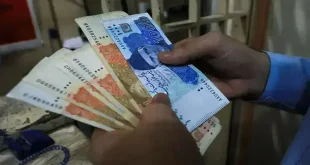

War and Crypto: A Dual Threat to Pakistan’s Unofficial Dollar Lifeline
Keywords: Pakistan economy, foreign exchange, hundi, hawala, cryptocurrency, informal trade, capital flight, SBP, virtual assets, forex crisis, small exporters, Dubai trade, Gulf war impact, economic analysis
The News: Informal Dollar Inflows Dwindle Amidst Regional Conflict and Crypto Craze
Pakistan’s informal foreign exchange ecosystem, a critical but unquantified source of dollar inflows, is facing a severe squeeze. Reports indicate a significant decline in funds channeled through the traditional hundi and hawala networks. This downturn is attributed to two primary factors: the prolonged “Gulf war” disrupting informal trade routes via Dubai and a massive diversion of dollars into the burgeoning cryptocurrency market.
Small-scale exporters and manufacturers, particularly those involved in goods like embroidery destined for the Gulf, have been hit hard. Their “khapiya” business – the unofficial export of goods to Dubai – has largely collapsed, leading to drastic production cuts. Simultaneously, the allure of high returns in crypto trading has siphoned billions of dollars out of the local market, with traders offering premiums above official exchange rates. While the State Bank of Pakistan (SBP) has initiated measures to curb these outflows and is working towards a regulatory framework, the immediate impact on Pakistan’s already strained foreign exchange situation is palpable.
Background: Pakistan’s Complex Relationship with Informal Finance and Emerging Digital Assets
To understand the gravity of the current situation, it’s crucial to contextualize Pakistan’s long-standing reliance on both formal and informal financial channels, alongside the global rise of digital currencies.
The Hundi and Hawala System
The hundi and hawala systems are ancient, trust-based informal value transfer systems, operating outside conventional banking and regulatory frameworks. They thrive in regions with restrictive capital controls, complex banking procedures, or a lack of trust in formal institutions. For Pakistan, these channels have historically facilitated remittances, trade payments (both legal and illegal), and capital flight. While often associated with illicit activities like money laundering, they also serve legitimate purposes for individuals and small businesses seeking faster, cheaper, and often more accessible means of transferring funds, especially for goods not officially declared for export – the “khapiya” trade.
Pakistan’s Forex Challenges
Pakistan has consistently grappled with current account deficits and a chronic shortage of foreign exchange reserves. This vulnerability often makes even unofficial dollar inflows valuable, as they add to the overall liquidity, albeit in the shadow economy. The informal “khapiya” trade, primarily with Dubai, has been a significant generator of these unrecorded dollars, sustaining numerous small manufacturing units and providing livelihoods.
The Rise of Cryptocurrency
Globally, cryptocurrencies have emerged as a disruptive force in finance. Their decentralized nature, potential for rapid appreciation, and perceived anonymity have attracted a diverse range of investors. For economies like Pakistan, where inflation can erode savings and investment options are limited, crypto offers an alternative, albeit highly volatile, investment avenue. However, the lack of regulation has also made it a preferred channel for capital flight, as individuals seek to bypass official currency controls and move funds offshore, often at a premium.
The Gulf War Impact
While specific details of the “Gulf war” mentioned in the news are not provided, its impact on Dubai’s informal trading business highlights the fragility of these regional economic linkages. Dubai has long served as a crucial hub for re-exports and informal trade for many South Asian and Middle Eastern countries. A prolonged conflict would inevitably disrupt supply chains, reduce business confidence, and cripple the very networks that facilitate the “khapiya” trade and subsequent hundi/hawala flows.
Impact on Pakistan: A Double Whammy for Economic Stability
The simultaneous contraction of traditional informal inflows and the surge in crypto-driven outflows present a significant and multifaceted challenge to Pakistan’s economic stability.
Economic Strain on Small Businesses
The immediate and most visible impact is on small exporters and domestic manufacturers. The collapse of the “khapiya” trade has left many struggling, as evidenced by manufacturers operating at a mere 10% of their previous year’s capacity. This translates into job losses, reduced income for countless families, and a significant blow to the informal manufacturing sector, which often employs a large segment of the unbanked population. The hundreds of millions of dollars generated by these businesses, which once flowed back into the economy, are now missing, creating a vacuum that official channels struggle to fill.
Exacerbated Foreign Exchange Crisis
Even though *hundi* and *hawala* transactions are informal, the dollars they bring into the country eventually circulate, adding to the overall supply, albeit unofficially. Their sharp decline further tightens the availability of foreign exchange, potentially putting additional pressure on the official exchange rate and exacerbating Pakistan’s perennial balance of payments issues. The $1 billion shift from formal exchange companies to crypto within a year, as reported by the Exchange Companies Association of Pakistan (ECAP), directly drains legitimate dollar supplies, making it harder for the SBP to manage its reserves and meet import financing needs.
Policy and Regulatory Challenges
The situation presents a complex dilemma for policymakers. On one hand, the informal economy is notoriously difficult to track and regulate, making it hard to formalize these lost dollar inflows. On the other hand, the rise of cryptocurrency introduces a new, highly fluid, and globally interconnected channel for capital movement that traditional financial regulations were not designed to address. The SBP’s recent moves to lift the crypto banking ban and develop a regulatory framework for Virtual Asset Providers (VAPs) signify a cautious recognition of this new reality, attempting to bring some oversight without stifling innovation or legitimate activity. However, the premium offered for dollars in the crypto market (Rs292 vs. Rs280) clearly indicates a strong incentive for illicit outflows that needs urgent attention.
Analysis: Navigating a New Era of Informal Finance and Digital Capital Flight
Pakistan is at a critical juncture, facing a convergence of traditional vulnerabilities and emerging digital challenges in its foreign exchange management. The decline in informal dollar inflows due to geopolitical instability and the significant capital flight into cryptocurrencies underscore systemic issues that require a multi-pronged and adaptive policy response.
The Paradox of Informal Economy
The crisis highlights the paradoxical role of Pakistan’s informal economy. While often criticized for its lack of transparency and potential for illicit activities, informal trade and financial channels have historically served as crucial shock absorbers and generators of foreign exchange for a significant segment of the population. The “khapiya” business, though unofficial, was a lifeline for many small and medium enterprises (SMEs) and an unacknowledged contributor to the nation’s foreign exchange pool. Its disruption not only reveals the fragility of these unrecorded economic activities but also leaves a substantial gap that official mechanisms are not currently equipped to fill quickly.
Cryptocurrency: A Double-Edged Sword for Developing Economies
The rapid adoption of cryptocurrencies in Pakistan, manifesting as significant dollar outflows, mirrors a global trend where digital assets are becoming a preferred vehicle for investment and capital mobility, particularly in economies with unstable currencies or restrictive financial environments. While offering potential for financial innovation and inclusion, crypto’s current role as a major driver of capital flight is deeply concerning. The attractive premiums offered for dollars in the crypto market underscore a fundamental lack of confidence in the local currency and traditional investment avenues, compelling individuals to seek higher returns and perceived stability offshore.
The SBP’s move to regulate virtual assets, allowing banks to collaborate with licensed VAPs under the Virtual Assets Act 2026, marks a pragmatic shift. Instead of outright prohibition, which often pushes activity further underground, a regulatory framework aims to formalize, monitor, and potentially tax these transactions. However, the current restrictions on banks (preventing them from using their own capital or customer deposits for crypto trading) suggest a cautious approach, balancing the need for oversight with risk mitigation in a highly volatile asset class. The ultimate success of this framework will depend on its ability to attract legitimate crypto businesses and investments while effectively curbing illicit outflows.
Towards a Resilient Financial Future
Moving forward, Pakistan must adopt a comprehensive strategy:
- Diplomatic Engagement & Regional Stability: Actively promoting regional stability is paramount to revive informal and formal trade routes that have been disrupted by conflicts like the “Gulf war.”
- Formalizing Small-Scale Trade: There is a need to explore mechanisms to simplify export procedures and provide incentives for small-scale traders to integrate into the formal economy. This could involve easier access to finance, streamlined customs, and education on official channels.
- Robust Crypto Regulation: The SBP must accelerate the development and implementation of a robust, comprehensive, and adaptable regulatory framework for virtual assets. This framework should focus on anti-money laundering (AML) and combating the financing of terrorism (CFT) measures, investor protection, and mechanisms to track capital flows. The goal should be to attract legitimate crypto inflows and innovation, rather than solely curbing outflows.
- Addressing Root Causes: Ultimately, reducing capital flight and reliance on informal channels requires addressing the fundamental economic challenges: fostering macroeconomic stability, controlling inflation, encouraging domestic investment, and building trust in the formal financial system and the local currency.
Pakistan’s journey through this dual crisis of disappearing informal dollars and rising crypto outflows will redefine its financial landscape. Success hinges on agile policymaking that acknowledges existing economic realities while embracing the challenges and opportunities presented by the digital financial revolution.