Dost Pakistan Journeys Tours and safaris in the North & South Pakistsn
Related Articles

Europe’s Deadly Heatwave: A Global Climate Wake-Up Call
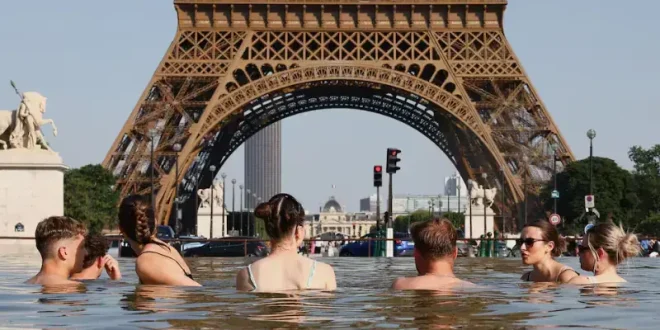
Europe is once again grappling with an intense, record-breaking heatwave, pushing temperatures to unprecedented highs across the continent. While the immediate focus is on the comfort and safety of millions, a tragic statistic from France — 40 drownings in recent days — underscores the severe and often overlooked human cost of our rapidly changing climate. This event serves as a stark reminder that extreme weather is no longer a distant threat but a present danger, even for highly developed nations.
The Immediate Crisis: A Continent Under Siege
The severity of the current heatwave sweeping across France, Britain, Italy, Switzerland, and Spain cannot be overstated. With parts of France experiencing temperatures near 40°C (104°F) and forecasts reaching up to 43°C in some western regions, the country has recorded its hottest afternoon and night since 1947. This widespread extreme heat has forced schools to close early, disrupted transport networks with train cancellations, and brought business activity to a crawl.
The most heartbreaking consequence, however, is the rising death toll. In France alone, 40 people have drowned since June 18, many of them young, as individuals desperately sought relief from the oppressive heat in rivers and canals. This tragic figure, compounded by incidents like the deaths of two young children found in a family car, highlights the profound vulnerability of communities to extreme temperatures and the desperate measures people take to cope.
Behind the Thermostat: The Climate Context
This isn’t just an unusually hot summer; it’s a symptom of a larger, systemic problem. The World Meteorological Organisation (WMO) has consistently warned that Europe is warming at more than twice the global average. This makes prolonged periods of extreme heat increasingly common, intense, and dangerous.
The immediate meteorological culprit for the current European heatwave is often described as an “Omega block”. This high-pressure system, shaped like the Greek letter Omega, traps a bulge of hot air, allowing temperatures to build day after day. While such weather patterns are natural, their intensity and duration are now being amplified by climate change. Warmer global temperatures mean more energy in the atmosphere, leading to more extreme weather events, including both intense heatwaves and volatile storms.
The memory of the 2003 European heatwave, which caused an estimated 80,000 excess deaths across the continent, looms large. While the current duration and full impact are still unfolding, the comparisons being drawn by Meteo France serve as a sobering reminder of the potential for widespread devastation and loss of life.
Lessons for Pakistan: A Shared Climate Destiny
While geographically distant, Pakistan is acutely aware of the perils of extreme weather. As a country highly vulnerable to climate change, the unfolding crisis in Europe offers critical insights and urgent lessons:
- Vulnerability is Universal: Europe, with its advanced infrastructure, is still struggling to cope. This underscores that no nation is immune to climate change. Pakistan, already battling frequent heatwaves, devastating floods, and water scarcity, must redouble its efforts in climate adaptation.
- Infrastructure Resilience: The disruption to schools, transport, and daily life in Europe highlights the need for climate-resilient urban planning and infrastructure. For Pakistan, this means investing in urban cooling strategies, building codes that account for extreme temperatures, and ensuring critical services can withstand climate shocks.
- Public Health and Safety: The tragic drownings in France, and the deaths of children due to heat exposure, serve as a grim reminder of the need for robust public health campaigns, accessible cooling centers, and clear warnings against dangerous coping mechanisms during heatwaves. Pakistan’s experiences with deadly heatwaves, particularly in urban centres like Karachi, echo this urgent need.
- Water Stress: Switzerland’s restriction on water withdrawal from rivers and lakes due to low levels and high temperatures mirrors Pakistan’s own acute water challenges, exacerbated by changing monsoon patterns and glacial melt. Sustainable water management strategies are paramount.
- Economic Impact: The slowdown in European business activity signals the broader economic repercussions of extreme heat. For Pakistan, this translates into potential losses in agriculture, manufacturing, and other sectors if climate change impacts are not mitigated and adapted to effectively.
- Policy and Preparedness: The reactive measures being taken across Europe – from opening climate shelters to issuing red alerts – emphasize the necessity of proactive national climate action plans, early warning systems, and coordinated emergency responses.
Analysis: The Uncomfortable New Normal
The European heatwave is more than just a weather phenomenon; it’s a profound manifestation of the climate crisis impacting human lives, economies, and societal fabric. Here’s a deeper look:
- The Human Desperation: The 40 drownings in France are a stark indicator of the desperate measures people resort to when faced with unbearable heat and a lack of safe, accessible cooling options. This highlights a critical public health and safety challenge that governments must address through designated safe zones, public education, and enforcement.
- Beyond Infrastructure: While a lack of air conditioning in older European buildings contributes to discomfort, the problem runs deeper. Entire systems – from schools designed for temperate climates to transport networks susceptible to heat-induced damage – are proving ill-equipped. This calls for a fundamental rethink of urban planning and infrastructure investment.
- Economic and Social Disruption: The comments from business leaders about France “running at a slow pace” underscore the significant economic toll of extreme weather. Beyond productivity losses, there are social costs: reduced outdoor activities, strain on healthcare systems, and psychological stress.
- The Adaptation Gap: Despite decades of warnings, many nations, even developed ones, are still playing catch-up on climate adaptation. Madrid’s “climate shelters” for vulnerable people are a necessary response, but they also highlight the systemic lack of resilience built into everyday life.
- A Global Responsibility: The crisis in Europe serves as a potent reminder that climate change knows no borders or economic status. It necessitates urgent, collaborative global efforts on both mitigation (reducing greenhouse gas emissions) and adaptation (preparing for inevitable changes).
Conclusion: A Future Defined by Our Choices
The deadly heatwave gripping Europe is a tragic yet invaluable wake-up call. It lays bare the vulnerabilities of even highly developed societies to the intensifying impacts of climate change and tragically reminds us of the profound human cost. From the frantic search for relief leading to drownings in France, to disrupted commutes in Paris and early school closures in Britain, the message is clear: the climate crisis is here, and its consequences are multifaceted and severe.
For Pakistan and the rest of the world, this event is not merely a distant news story; it is a preview of the challenges to come if global emissions are not drastically reduced and comprehensive adaptation strategies are not vigorously implemented. The time for incremental change is over. We face a future where extreme weather events become the uncomfortable “new normal,” demanding urgent, systemic transformations in how we build, live, and govern.