 Dost Pakistan Journeys Tours and safaris in the North & South Pakistsn
“`html
Gomal Zam Hydropower Station: A Strategic Revival for Pakistan’s Energy Future
Summary: The Water and Power Development Authority (Wapda) has successfully restored the Gomal Zam Hydropower Station in South Waziristan Lower to its full 17.4 megawatts (MW) generation capacity. This significant achievement comes after eight years of operating at half capacity due to a major technical fault in October 2016. The second, more complex, generating unit was recently repaired through a Rs359.5 million rehabilitation project, completed ahead of schedule in just 80 days. The station now contributes its full output of low-cost, environmentally friendly electricity to the national grid, enhancing stability in remote areas of Khyber Pakhtunkhwa and boosting Pakistan’s renewable energy portfolio.
The News: A Full Return to Power
In a crucial development for Pakistan’s energy sector, the Gomal Zam Hydropower Station has been fully restored, bringing its complete 17.4 MW capacity back online. This marks the successful synchronization of both of the station’s generating units with the national grid, an achievement that resolves an eight-year period of underperformance. Since October 2016, a major technical fault had rendered both units inoperable. While one unit was repaired and recommissioned in June 2018, allowing the facility to operate at 8.7 MW, the second unit remained offline due to the intricate nature of its damage.
Wapda undertook a dedicated rehabilitation project for the remaining unit, commencing in April 2026 with an investment of Rs359.5 million. Remarkably, this project was completed ahead of its projected timeline within 80 days, culminating in the successful recommissioning of the unit on June 25, 2026. The full restoration means the Gomal Zam Hydropower Station can now generate approximately 90.9 million units of clean electricity annually, providing a much-needed boost to the power supply in southern districts of Khyber Pakhtunkhwa, including the Dera Ismail Khan Division, South Waziristan, and Tank.
Background: The Multi-Purpose Gomal Zam Project
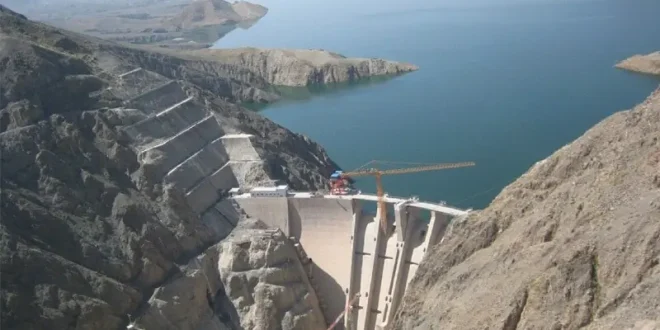
The Gomal Zam Hydropower Station is an integral component of the larger Gomal Zam Dam project, a multi-purpose water resource initiative located in the Kar Kanra area of Wana tehsil in Lower South Waziristan. Construction of the dam commenced in 2002, but its journey to completion was fraught with challenges, including significant security concerns, financial constraints, and administrative hurdles that caused prolonged delays. Despite these setbacks, the main structure of the dam was completed in 2013, becoming a beacon of development in a region historically impacted by instability.
Beyond electricity generation, the Gomal Zam Dam serves critical functions for the region. It boasts a gross water storage capacity of approximately 1.14 million acre-feet, crucial for irrigation. This stored water supports nearly 191,000 acres of agricultural land, significantly enhancing agricultural productivity and food security in the area. Additionally, the 133-meter-high dam plays a vital role in flood mitigation, protecting downstream communities, and contributes broadly to water conservation and socio-economic development in the historically underserved region, particularly for the Zali Khel clan who traditionally inhabit the land.
For Pakistan, hydropower is a cornerstone of its energy strategy. Faced with an increasing energy demand and a persistent reliance on expensive imported fossil fuels, the nation has consistently sought to develop its vast hydropower potential. Projects like Gomal Zam offer a path to energy independence, lower generation costs, and a cleaner energy mix, crucial for sustainable growth.
Impact on Pakistan: Towards a Greener, Stable Grid
The full restoration of the Gomal Zam Hydropower Station brings a multi-faceted positive impact across Pakistan, particularly for its energy sector and regional development. Firstly, it directly enhances Pakistan’s renewable energy sector. By adding 17.4 MW of indigenous, clean electricity to the national grid, the country takes another step towards reducing its carbon footprint and lessening its dependence on imported fossil fuels. This contributes to national goals of increasing the share of renewable energy and mitigating the effects of climate change.
Economically, the generation of low-cost hydropower directly translates into savings on foreign exchange that would otherwise be spent on fuel imports. Such savings are crucial for a developing economy like Pakistan, which frequently grapples with balance of payments issues. Furthermore, reliable and affordable electricity is a catalyst for economic activity, supporting industries, small businesses, and improving the quality of life for millions.
Regionally, the impact is particularly profound. The increased stability and supply of electricity in South Waziristan, Tank, and Dera Ismail Khan Division addresses a critical need in these remote areas of Khyber Pakhtunkhwa. Improved power access can facilitate local development, enhance education and health services, and support agricultural activities through reliable irrigation and pumping systems. The successful completion of a complex repair project ahead of schedule also showcases Wapda’s technical competence and commitment to national infrastructure, building confidence in their ability to manage and maintain vital energy assets.
Analysis: A Symbol of Resilience and Sustainable Progress
While 17.4 MW might seem modest in the context of Pakistan’s overall energy demand, the full restoration of the Gomal Zam Hydropower Station carries significant symbolic and strategic weight. It represents a victory over persistent technical challenges and a testament to Pakistan’s ongoing commitment to leveraging its natural resources for sustainable development. The eight-year struggle to bring the second unit back online underscores the complexities inherent in maintaining aging infrastructure and the critical importance of proactive maintenance and timely intervention.
This achievement signals a positive momentum in Pakistan’s pursuit of energy security. Every unit of indigenous, clean electricity generated reduces the strain on the national grid, helps alleviate load shedding, and lessens the financial burden of circular debt, which is often exacerbated by expensive thermal power generation. The Gomal Zam project, in its multi-purpose design, exemplifies an integrated approach to development—providing not just power but also vital water resources for irrigation and flood control, directly impacting the livelihoods of thousands in a key agricultural region.
Looking ahead, the successful rehabilitation of Gomal Zam should serve as an encouraging precedent for other underperforming or stalled hydropower projects across the country. Pakistan possesses immense untapped hydropower potential, and lessons from projects like Gomal Zam – from overcoming security challenges during construction to intricate technical repairs – are invaluable. The emphasis on completing the project ahead of schedule also highlights a renewed focus on efficiency and delivery within the national infrastructure framework.
In conclusion, the full operational return of the Gomal Zam Hydropower Station is more than just a technical fix; it’s a strategic revival. It reinforces Pakistan’s journey towards energy self-reliance, promotes environmental sustainability, and brings tangible benefits to some of its most vulnerable communities. It stands as a powerful reminder that with sustained effort and strategic investment, even long-standing challenges can be overcome, paving the way for a more resilient and prosperous energy future.
“`
