Dost Pakistan Journeys Tours and safaris in the North & South Pakistsn
Related Articles
“`html
Lahore Tuition Centre Tragedy: Unpacking Pakistan’s Persistent Building Safety Crisis
The Unfolding Tragedy: 14 Children Lost in Lahore
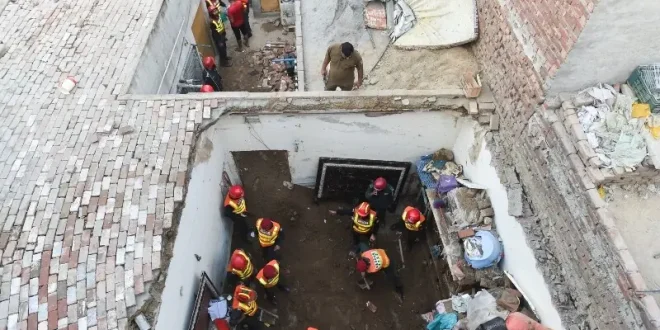
A recent, horrific incident in Lahore’s Kahna area has once again brought to the forefront Pakistan’s enduring challenges with infrastructure safety. Fourteen children, aged between five and 16, tragically lost their lives when the roof of a private tuition centre collapsed during classes. Several others sustained injuries, some critical, necessitating rapid emergency response and medical attention at Lahore General Hospital and Kahna Tehsil Headquarters Hospital.
The devastating collapse, reportedly involving a structure under partial construction and utilizing TR girders, prompted immediate rescue operations. Authorities quickly launched an investigation, leading to the apprehension of two individuals, the house owner and the contractor responsible for the recent work. Promises of strict action against those found negligent have been made by Lahore Deputy Inspector General (DIG) Operations Faisal Kamran. The tragedy has garnered national attention, with Prime Minister Shehbaz Sharif expressing condolences and Punjab Chief Minister Maryam Nawaz demanding a thorough and transparent inquiry to identify and prosecute those responsible for the fatal negligence.
Behind the Rubble: A Look at Systemic Vulnerabilities in Pakistan
While profoundly shocking, the Lahore tuition centre tragedy is not an isolated event but a stark symptom of deeply ingrained issues within Pakistan’s urban planning, regulatory frameworks, and socio-economic landscape. Understanding these contributing factors is crucial to grasping the recurring nature of such disasters.
The Informal Education Sector and Associated Risks
Private tuition centres are a pervasive part of Pakistan’s educational ecosystem. They flourish due to several reasons:
- Supplementing Formal Education: Many parents, often facing concerns about the quality or capacity of public schools, seek supplementary coaching for their children to improve academic performance, particularly for competitive exams.
- Affordability and Accessibility: These centres often offer more affordable options compared to large private schools, making them accessible to a wider segment of the population.
- Unregulated Operations: A significant number of these centres operate informally, frequently from residential buildings that were not originally designed or approved for commercial or educational use. This often means they bypass official licensing, safety inspections, and building code compliance, creating inherent risks. Structures may be modified without proper engineering assessment, or overcrowded, putting undue stress on the building.
Pakistan’s Endemic Building Safety Crisis
The news article rightly points out that “Roof and building collapses are common across Pakistan, mainly because of poor safety standards and construction materials.” This highlights a critical national challenge driven by:
- Substandard Construction Practices: The widespread use of inferior quality construction materials, often driven by cost-cutting motives and a lack of stringent quality control mechanisms, significantly compromises structural integrity.
- Weak Enforcement of Building Codes: Pakistan possesses building codes, but their implementation and oversight are often severely lacking. This lax enforcement, sometimes compounded by corruption, allows unsafe structures to be erected and occupied without proper scrutiny.
- Uncontrolled Urbanization and Illegal Construction: Rapid, often unplanned, urban expansion leads to rampant unauthorized construction, including illegal extensions and alterations to existing buildings. These modifications frequently bypass necessary engineering and safety assessments, overburdening original structures.
- Lack of Professional Oversight: Insufficient engagement of qualified architects and structural engineers, especially in smaller, informal projects, contributes to poor design and construction quality.
The recent history of Pakistan is unfortunately dotted with similar incidents. Just days prior to the Lahore collapse, two young sisters died in Muzaffargarh from a wall collapse. Earlier in the month, a roof collapse in Faisalabad claimed three lives, and last July, 27 people perished when a five-story building fell in Karachi. These are not isolated accidents but recurring tragedies pointing to a systemic failure in infrastructure governance.
Beyond the Rubble: Ripple Effects on Communities and the Nation
The impact of a tragedy like the Lahore tuition centre collapse extends far beyond the immediate victims and their families, leaving lasting scars on the community and raising fundamental questions for the entire nation.
Profound Human and Social Cost
The loss of 14 young lives is an immeasurable tragedy, robbing families of their children’s futures and inflicting deep emotional trauma. Beyond the fatalities, the injured face physical recovery and potential long-term psychological impacts. Such events shake the collective consciousness of a community, fostering a sense of insecurity and vulnerability, particularly concerning spaces meant for children’s learning and development.
Erosion of Public Trust and Demand for Accountability
Repeated incidents of preventable building collapses erode public trust in government institutions – from municipal corporations responsible for building permits and inspections, to education authorities tasked with safeguarding learning environments. While arrests of individuals like the house owner and contractor are crucial for immediate accountability, the public increasingly demands systemic reforms and a clear understanding of how such negligence can repeatedly occur under the watch of regulatory bodies. The cycle of outrage followed by insufficient lasting action often leads to cynicism.
Implications for National Development and Reputation
A nation where basic safety standards for children’s learning spaces are compromised faces significant challenges in its developmental trajectory. These tragedies not only divert resources towards disaster response but also cast a shadow on Pakistan’s commitment to public safety and robust governance, potentially impacting investor confidence and international perceptions. Ultimately, the safety of its citizens, especially its youngest, is a fundamental indicator of a state’s capacity and priority.
Analysis: Charting a Course Towards Safety and Accountability
The Lahore tuition centre disaster serves as a stark and painful reminder that the issue of building collapses in Pakistan is not merely an engineering problem, but a complex web of regulatory failures, socio-economic factors, and a pervasive culture of negligence. Addressing it requires a multi-faceted, sustained and politically committed approach.
Identifying the Root Causes of Recurring Tragedies
- Regulatory Ineffectiveness: The core issue lies in the weak formulation, and more critically, the inconsistent enforcement of building codes and safety standards. This includes lax inspection processes, inadequate monitoring of construction sites, and potential corruption that allows substandard practices to continue unchecked.
- The Unregulated Grey Area: The proliferation of informal educational facilities operating out of unsuitable premises creates a significant regulatory blind spot. These establishments often fall outside the purview of strict safety and licensing requirements, making them inherently risky.
- Economic Pressures and Compromised Quality: In an economy where affordability is paramount, there’s an unfortunate tendency for property owners and contractors to cut corners on material quality and construction techniques to minimize costs. This often comes at the direct expense of structural integrity and human lives.
- Lack of Public Awareness and Demand for Safety: While communities bear the brunt of these tragedies, there’s often a limited public awareness regarding structural safety standards, making it difficult for citizens to demand safer environments or identify risky structures.
- Accountability Deficit: Despite pronouncements, consistent and high-level accountability for systemic failures (beyond immediate culprits) has been elusive, perpetuating a cycle of negligence.
Recommendations for a Safer Future
Moving beyond condolences, a comprehensive strategy is essential to prevent such tragedies from recurring:
- Strengthen and Rigorously Enforce Building Codes: Update existing building codes to international standards and ensure their strict, impartial enforcement. This must include mandatory pre-construction permits, regular inspections at every stage of construction, and stringent post-completion safety certifications for all public-facing buildings, particularly schools and educational centres.
- Regulate Informal Educational Institutions: Develop and implement a robust framework for the licensing, registration, and regular safety audits of all private tuition centres. This should include minimum structural requirements, fire safety standards, and capacity limits for premises. Operating without such certification must carry severe penalties.
- Enhance Professional Oversight and Accountability: Mandate the involvement of certified structural engineers and architects in all construction projects, especially those for public use. Hold these professionals, alongside contractors and property owners, accountable for adherence to safety standards.
- Public Awareness and Education Campaigns: Launch national campaigns to educate the public about building safety standards, the risks of unregulated construction, and the importance of reporting suspicious or unsafe structures. Empower parents to demand safe learning environments for their children.
- Combat Corruption: Implement measures to enhance transparency and reduce corruption within municipal and regulatory bodies responsible for construction permits and inspections. Whistleblower protection mechanisms can be crucial here.
- Invest in Public Infrastructure: Bolster the quality and capacity of public schools, providing safe, well-maintained, and accessible learning environments. This can reduce the reliance on potentially unsafe informal alternatives in residential settings.
The Lahore tuition centre tragedy is a profound wake-up call. It demands not just immediate action and justice for the victims, but a sustained national commitment to prioritizing human life through robust governance, responsible urban development, and unwavering adherence to safety standards. Only then can Pakistan hope to secure a safer future for its children and prevent the tragic loss of its most precious resource.
“`