Dost Pakistan Journeys Tours and safaris in the North & South Pakistsn
Related Articles

“`html
PEMRA’s CII Consult: A New Frontier for Media Regulation in Pakistan?
The Latest News
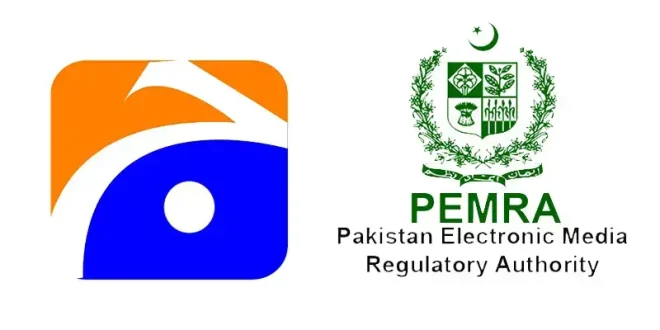
The Pakistan Electronic Media Regulatory Authority (PEMRA) has taken an unusual step, seeking “guidance” from the Council of Islamic Ideology (CII) regarding the recent 15-day suspension of Geo News. The suspension, imposed on June 28, followed the broadcast of a special transmission on Muharram 10 that PEMRA deemed “liable to hurt the religious sentiments of viewers.”
Geo News swiftly acknowledged its “grave editorial error,” apologized publicly, and took disciplinary action against two employees involved. However, PEMRA’s subsequent letter to the CII, dated July 1, requests an assessment on whether Geo’s actions—the suspension, public apology, and internal disciplinary measures—are “adequate” in light of Islamic teachings and injunctions, and if further action is warranted. The CII has been asked to provide its guidance within seven days, by July 8.
This move also comes as PEMRA’s own Council of Complaints (CoC) is tasked with providing recommendations on whether additional regulatory, disciplinary, or penal action is necessary under existing laws and codes of conduct.
Background: A Confluence of Regulation, Religion, and Media
To understand the significance of PEMRA’s current actions, it’s crucial to contextualize the roles of the involved entities and the broader media landscape in Pakistan:
- PEMRA’s Mandate: As the primary regulator for electronic media in Pakistan, PEMRA is responsible for licensing, regulating, and monitoring electronic media to ensure adherence to broadcast standards, including the protection of religious and cultural sensitivities. It possesses considerable power to fine, suspend, or revoke licenses.
- The Council of Islamic Ideology (CII): The CII is a constitutional body established to advise the Parliament and Provincial Assemblies on Islamic law. Its role is to recommend laws that conform to the injunctions of Islam and to scrutinize existing laws for conformity. While its opinions are advisory and non-binding on the legislature, they carry significant moral and political weight, particularly on matters pertaining to religious doctrine.
- Geo News’s History: Geo News is one of Pakistan’s largest and most influential private news channels. It has a history of both groundbreaking journalism and frequent confrontations with state institutions, including previous suspensions and accusations of bias or anti-state narratives. This latest incident adds to a long list of regulatory challenges faced by the network.
- Religious Sensitivity in Pakistan: Pakistan is an Islamic republic where religious sentiments run deep and public discourse is highly sensitive to anything perceived as disrespectful to Islam or its revered figures. Muharram, in particular, is a solemn and religiously charged month, especially for the Shia community who observe mourning rituals commemorating the martyrdom of Imam Hussein. Any content touching upon diverse religious practices or interpretations must navigate this landscape with extreme caution.
- Media Freedom vs. Public Morality: This event highlights the perennial tension in Pakistan between the principles of media freedom and the imperative to uphold public morality, religious sanctity, and national security. Regulatory bodies often operate under immense public and political pressure when dealing with content deemed religiously offensive.
Impact on Pakistan: Shifting Sands for Media and Society
The decision by PEMRA to consult the CII introduces a new dimension to media regulation in Pakistan, with several potential impacts:
- Erosion of Media Freedom: The most immediate concern is the potential for further constriction of media freedom. Involving a religious body like the CII in assessing journalistic content could lead to a precedent where religious interpretations, rather than purely regulatory or legal frameworks, become a yardstick for media conduct. This could foster greater self-censorship within media houses, particularly on topics related to religion, culture, or societal norms.
- New Regulatory Precedent: This move could establish a new layer of religious oversight in media regulation. If the CII’s guidance leads to additional punitive measures against Geo News, it could signal that PEMRA might increasingly defer to religious bodies for content assessment, particularly on sensitive issues. This could complicate the regulatory landscape and potentially introduce subjective religious interpretations into what should be a transparent and objective regulatory process.
- Implications for Public Discourse: The incident and its handling could further shape public discourse on media ethics and religious obligations. While aiming to protect religious sentiments, overly restrictive measures or perceived religiously-motivated crackdowns could inadvertently polarize public opinion or spark debates about the scope of religious authority in modern state affairs.
- Economic Repercussions: Suspensions directly impact media organizations financially, leading to revenue losses from advertising and potentially affecting employee livelihoods. Such punitive actions also send a chilling message to advertisers, potentially making them wary of associating with channels deemed at risk of regulatory action.
- Religious Harmony and Interpretation: While the aim is to prevent offense, the involvement of the CII could also open avenues for different religious interpretations to come into play in media decisions. This could inadvertently highlight sectarian fault lines if certain interpretations are seen to be favored over others, especially in a religiously diverse society.
Analysis: Beyond the Suspension – What PEMRA’s Move Truly Signifies
PEMRA’s referral of the Geo News case to the CII, despite already imposing a suspension and receiving a public apology, is a significant development that warrants deeper analysis:
1. A Quest for Legitimacy or Deeper Scrutiny?
One interpretation is that PEMRA seeks to bolster the legitimacy of any further action it might take by grounding it in Islamic teachings. By involving the CII, PEMRA might be attempting to shield itself from accusations of arbitrary or politically motivated action, instead presenting its decisions as aligned with broader religious principles. Alternatively, it could signify a genuine, albeit belated, attempt to seek comprehensive ethical and religious guidance on how to address content that breaches deeply held religious sensitivities. This raises questions about why such guidance wasn’t sought proactively or why PEMRA’s existing Code of Conduct, which already addresses religious sensitivities, isn’t deemed sufficient.
2. Expanding the Scope of Religious Authority:
This move arguably expands the influence of the CII beyond its traditional advisory role to legislative bodies. When a regulatory body like PEMRA, which governs a modern sector like media, directly seeks “guidance” from a religious council on punitive measures, it blurs the lines between secular regulation and religious adjudication. This could be seen as a gradual encroachment of religious authority into domains previously governed by state law and secular regulatory frameworks, potentially setting a precedent for other sectors.
3. Geo News’s Dilemma:
Geo News’s swift apology and internal actions underscore the immense pressure media houses face when accused of religious insensitivity. Their statement, clarifying the content as depicting “local rituals” not intended to “represent, endorse, or promote any broader religious point of view,” highlights the delicate balance channels must strike. However, the ongoing inquiry by PEMRA, now with CII’s involvement, suggests that even prompt apologies and internal reforms might not suffice when religious sentiments are perceived to be hurt.
4. The Nature of the “Offense”:
The news report indicates the content showed “certain rituals adopted by a limited number of people in Iraq and some other Middle Eastern countries.” While Geo News clarified it was a “travel documentary” and “completely unintentional,” the very nature of depicting diverse or unfamiliar religious practices, especially during a solemn period like Muharram, can be fraught with risk in Pakistan’s deeply religious and sometimes sectarian environment. The challenge lies in distinguishing between reporting on diverse cultural or religious practices and content that genuinely intends to offend or promote a particular viewpoint.
5. A Test Case for Media’s Future:
Ultimately, this episode serves as a critical test case for the future of media regulation and freedom of expression in Pakistan. The CII’s forthcoming guidance, and PEMRA’s subsequent actions, will reveal whether Pakistan’s media landscape will increasingly be shaped by religious interpretations and stricter moral codes, or if a balance can be struck that respects religious sensitivities without unduly stifling independent journalism and the free flow of information.
The outcome of this consultation will be keenly watched by media professionals, civil society, and international observers, as it has the potential to redefine the boundaries within which Pakistani media operates.
SEO-Friendly Note: This article provides an in-depth analysis of the PEMRA Geo News suspension and the unprecedented involvement of the Council of Islamic Ideology (CII). Key themes include Pakistan media freedom, electronic media regulation, religious sensitivity in Pakistan, and the evolving role of journalism ethics. We explore the implications for Muharram content and the broader regulatory environment, offering context and background on this significant development in Pakistan news.
“`