Dost Pakistan Journeys Tours and safaris in the North & South Pakistsn
Related Articles



US Anti-Drone Force: A New Paradigm in Air Base Defense
The News: A Proactive Shift in US Military Strategy
The United States Air Force has announced a significant strategic shift, moving to establish a specialized military force dedicated to defending its air bases against the escalating threat of drone and missile attacks. This crucial initiative stems from a comprehensive internal review, which highlighted critical vulnerabilities exposed at American military installations during recent global conflicts, particularly in the Middle East and through observations from the Ukraine war.
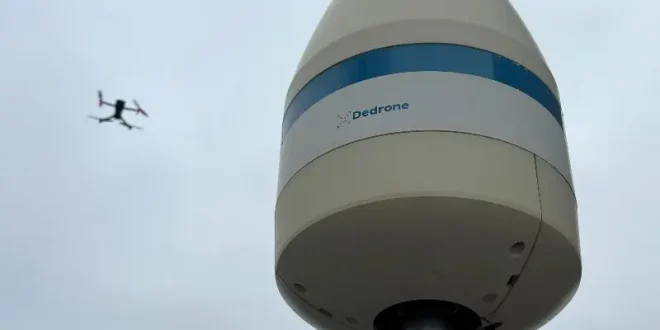
The new “anti-drone force” will comprise dedicated units staffed by personnel from various military occupations, undergoing specialized training to detect, track, and neutralize incoming unmanned aerial systems (UAS) and precision-guided missiles. This commitment is underscored by a proposed 2027 budget request of approximately $1.4 billion for new air base missile defense systems, signaling a long-term investment in hardening American military infrastructure against a rapidly evolving threat landscape. The urgency is palpable, with US officials citing incidents like Ukraine’s 2025 ‘Operation Spiderweb’ and unidentified drone incursions over domestic US bases as clear indicators that the nature of air base defense has fundamentally changed.
Background: The Evolving Face of Asymmetric Warfare
The US Air Force’s decision isn’t merely a reactive measure but rather a profound acknowledgment of a paradigm shift in modern warfare. For decades, military air bases were primarily threatened by conventional airpower or long-range ballistic missiles from state actors. However, the proliferation of inexpensive, yet highly effective, drones and precision-guided munitions has democratized offensive capabilities, placing critical military infrastructure within reach of both state and non-state actors alike.
Recent conflicts have served as stark laboratories for this new reality. In Ukraine, the innovative use of commercial and military drones has demonstrated their efficacy in reconnaissance, targeting, and direct strike missions, even against strategic assets deep within enemy territory. Similarly, engagements in the Middle East have repeatedly showcased the destructive potential of remotely piloted systems and low-cost missiles against high-value targets, exposing the limitations of traditional air defense systems designed for larger, faster, and more predictable threats. The cost asymmetry is particularly jarring: a sophisticated fighter jet or a command center, costing millions, can be significantly damaged or destroyed by a drone costing mere thousands. This dramatic shift underscores the need for agile, multi-layered defensive strategies that can contend with swarms, low-altitude incursions, and the inherent difficulty of distinguishing between hostile and benign aerial objects.
Impact on Pakistan: Assessing Regional Defense Dynamics
The strategic move by the US carries significant implications for countries like Pakistan, which operates a vast network of air bases and critical infrastructure in a volatile region. Pakistan’s military leadership will undoubtedly be closely observing the development and implementation of this specialized US anti-drone force, drawing lessons for its own defense planning.
Firstly, the evolving nature of the drone threat is not unique to US interests. Pakistan faces similar, if not more immediate, challenges from both state and non-state actors. Its eastern neighbor, India, is rapidly advancing its drone and missile capabilities, posing a potential conventional threat to Pakistani air bases and strategic assets. Furthermore, cross-border incursions by drones from Afghanistan have already been reported, highlighting the ongoing menace from militant groups utilizing these systems for surveillance, reconnaissance, and potentially even weapon delivery. Such threats necessitate a robust and modernized counter-UAS strategy.
Secondly, the financial and technological demands of establishing effective counter-drone defenses are substantial. Pakistan, like many developing nations, operates under budget constraints, making the acquisition and integration of cutting-edge detection, tracking, and interdiction systems a complex challenge. This situation could spur indigenous research and development in drone countermeasures or lead to seeking collaborative solutions and technology transfers from allies.
Ultimately, the US initiative serves as a critical wake-up call, emphasizing the urgent need for Pakistan to review and potentially revise its air base defense doctrines, invest in comprehensive counter-UAS capabilities, and enhance cross-service training to mitigate the growing threat posed by these asymmetric weapons. The security of its own strategic assets will increasingly depend on its ability to adapt to this new era of aerial warfare.
Analysis: A Permanent Feature of Modern Conflict
The US Air Force’s decision to create a dedicated anti-drone and anti-missile force marks a pivotal moment in military strategy, signaling that the threat from small, inexpensive, yet highly effective aerial systems is no longer an emerging concern but a permanent, central feature of modern conflict. This is not merely an upgrade of existing systems but a fundamental rethinking of base defense doctrine, demanding specialized personnel, integrated technologies, and adaptive tactics.
One of the primary challenges moving forward will be the sheer scale of the problem. Protecting every installation against every conceivable threat vector – from individual commercial drones to sophisticated swarms and precision-guided munitions – is an enormous undertaking. The announced units and budget represent a significant first step, but the “hardening” of global military infrastructure will be an ongoing, resource-intensive race against rapidly evolving offensive capabilities. Success will hinge on seamless integration of radar, electro-optical sensors, electronic warfare, kinetic interceptors, and directed energy weapons, all managed by highly trained specialists.
Moreover, this development highlights the persistent asymmetrical advantage enjoyed by attackers utilizing inexpensive drones against multi-million dollar defensive systems. While the US is committing substantial resources, the cost-effectiveness argument remains a formidable hurdle. This will inevitably drive further innovation in counter-drone technologies, fostering a continuous technological arms race. Other major militaries worldwide will undoubtedly follow suit, accelerating their own programs for base defense and counter-UAS capabilities, recognizing that vulnerabilities exposed in one theater are applicable globally.
In essence, the formation of the US anti-drone force is a clear indicator that the future of warfare demands a proactive, specialized, and integrated approach to air base defense. It underscores a global shift towards recognizing and actively countering the pervasive and disruptive potential of drone and missile technology, fundamentally reshaping military doctrine and investment strategies for decades to come.
“`