Dost Pakistan Journeys Tours and safaris in the North & South Pakistsn
Related Articles


Pakistan’s Digital Triumph: Leading the Way in Bridging the Mobile Gender Gap
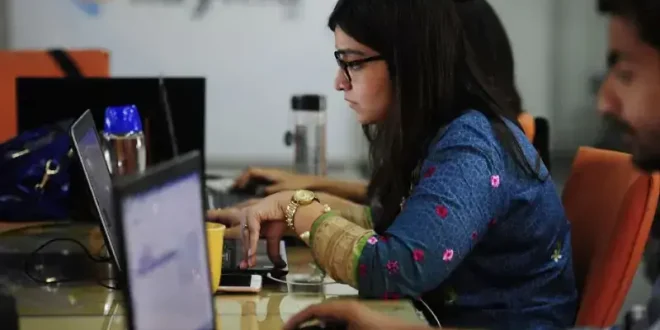
In a landscape where digital divides persist globally, Pakistan has emerged as a beacon of progress, making unprecedented strides in bridging its mobile gender gap. The latest GSMA Mobile Gender Gap Report 2026 highlights Pakistan as the most improved nation among surveyed low- and middle-income countries (LMICs), marking a significant leap towards digital equality. This impressive achievement not only signals a transformative moment for the nation but also offers valuable lessons for other countries striving for inclusive digital development.
The News: A Remarkable Turnaround in Digital Inclusion
The core findings of the GSMA report are nothing short of remarkable for Pakistan. The nation dramatically reduced its mobile ownership gender gap from 37% in 2024 to 27% in 2025. Even more striking is the plummeting mobile internet gender gap, which dropped from 25% to a mere 8% within a single year – an improvement noted as one of the fastest globally. This surge in women’s mobile internet usage, while male usage remained stable, indicates a strong, independent momentum in female digital adoption, challenging long-standing barriers to access.
Crucially, the report underscores the enabling power of personal device ownership. An astounding 94% of women who own a smartphone engage with mobile internet daily, contrasting sharply with the 48% among those relying on shared devices. This data reinforces the notion that true digital empowerment stems from individual access and control over technology, rather than merely incidental interaction.
Background: The Global Imperative of Digital Equity
Globally, mobile connectivity stands as the primary gateway to the digital world for billions, especially in LMICs. In 2025, over 3.2 billion people in these regions accessed the internet via mobile phones, underscoring its pivotal role in daily life and socio-economic advancement. The mobile gender gap, however, has historically hindered this progress, excluding a significant portion of women from the myriad benefits that digital access offers.
Bridging this gap is not merely a matter of social justice; it is an economic and developmental imperative. Mobile phones and internet access are life-changing resources, facilitating connection, providing vital information on healthcare and education, opening doors to income-generating opportunities, enabling e-commerce, and democratizing financial services. When women are denied equal access, they are disproportionately cut off from these essential tools, perpetuating cycles of poverty and inequality. Organizations like the GSMA meticulously track these trends to advocate for policies and initiatives that foster greater digital inclusion worldwide.
Impact on Pakistan: Unlocking Potential Across Sectors
Pakistan’s success in narrowing the mobile gender gap carries profound implications across various facets of its society and economy. This surge in women’s digital engagement translates into:
- Economic Empowerment: Increased access to mobile banking, digital payment systems, and e-commerce platforms can foster financial independence for women. It also opens avenues for online entrepreneurship, remote work, and participation in the gig economy, contributing directly to household incomes and national economic growth.
- Improved Social Outcomes: Women can access critical information on health, hygiene, and nutrition, leading to better family well-being. Educational content and online learning platforms become more accessible, enhancing literacy and skill development. Digital connectivity also enables greater civic participation and community engagement.
- Reduced Inequality: By actively addressing one of the most significant forms of gender inequality, Pakistan is building a more equitable society. Empowering women with digital tools helps them overcome traditional barriers and participate more fully in public and private spheres.
- Human Capital Development: A digitally literate female population represents a vast, untapped human resource. Their participation in the digital economy and society at large enhances the overall productive capacity and innovative potential of the nation.
- Global Leadership and Investment: Pakistan’s exemplary performance positions it as a leader in digital inclusion, potentially attracting further investment in its telecommunications sector and digital infrastructure, fostering sustained growth.
Analysis: Drivers of Success and Future Imperatives
Pakistan’s remarkable progress is not accidental but a testament to concerted efforts and strategic interventions. Julian Gorman of GSMA Asia Pacific correctly points to “meaningful progress driven by collective effort.” The positive reaction from Aamir Ibrahim, chairman of the Telecom Operators’ Association (TOA), further highlights the synergy between government, industry, and development partners.
Key Drivers of Pakistan’s Digital Leap:
- Policy and Regulatory Support: The commendation by TOA towards the Government of Pakistan, Ministry of Information Technology and Telecommunication, and Pakistan Telecommunication Authority indicates a supportive regulatory environment focused on expanding digital access. Policies likely promoted infrastructure development, spectrum allocation, and potentially incentives for affordable digital services.
- Industry Initiatives: Telecom operators have played a crucial role in expanding network coverage, offering competitive data packages, and perhaps even subsidizing device costs, making mobile connectivity more accessible and affordable for a broader demographic.
- Affordability of Devices and Services: A decline in the cost of entry-level smartphones and more accessible data plans would naturally spur adoption, especially among demographics sensitive to price.
- Increased Digital Literacy Efforts: While still identified as a barrier, efforts to enhance digital skills have likely contributed to women feeling more confident and capable in using mobile internet independently.
- Growing Awareness of Utility: As more individuals see the practical benefits of mobile internet for daily life, education, and livelihood, the intrinsic motivation for adoption increases, overcoming social hesitancy.
Persistent Challenges and the Path Forward:
Despite these achievements, the TOA rightly cautions that sustaining this upward trajectory demands continued focus on critical barriers. These include:
- Affordability: While improvements have been made, the cost of devices and data can still be prohibitive for the poorest segments of the population. Innovative financing models and targeted subsidies may be necessary.
- Digital Literacy and Skills: Access to a device is one thing; effectively utilizing its potential requires ongoing education and skill development, especially for more complex digital services.
- Social Norms and Family Disapproval: These deeply ingrained societal barriers remain a significant hurdle for women seeking independent digital engagement. Addressing these requires broader social awareness campaigns, community engagement, and cultural shifts that recognize and value women’s digital participation.
Pakistan’s journey towards a truly inclusive digital future is ongoing. The dramatic reduction in the mobile gender gap is a powerful testament to what focused effort can achieve. To maintain this momentum, continued collaboration between all stakeholders—government, industry, civil society, and communities—will be vital. Investing in robust and affordable infrastructure, rolling out targeted digital literacy programs, and fostering an environment where women feel empowered to own and utilize their devices will be crucial. Pakistan’s digital triumph not only sets a global benchmark but also paves the way for a more equitable and prosperous future for all its citizens.