Dost Pakistan Journeys Tours and safaris in the North & South Pakistsn
Related Articles



“`html
The Perilous Journey: Unpacking Pakistan’s Recurring Bus Accident Crisis
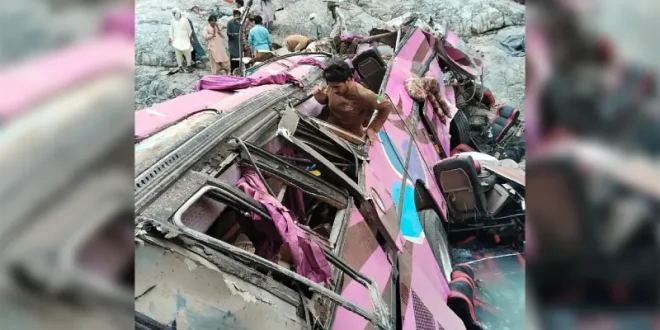
A recent passenger bus tragedy on the treacherous route spanning the Balochistan and Khyber Pakhtunkhwa (KP) border has once again cast a somber shadow over Pakistan’s road safety record. The devastating incident, which saw a Peshawar-bound bus plunge into a deep ravine, resulted in the loss of 40 lives and left eight others injured. While immediate rescue efforts were mounted and national condolences offered, this catastrophic event serves as a stark reminder of the systemic failures that continue to plague public transport safety in the country.
The News: A Tragedy Unfolds
On a recent Friday, a bus departing from Quetta experienced a catastrophic accident near the Dhanasar area of Balochistan’s Sherani district, shortly after crossing into Khyber Pakhtunkhwa’s Dera Ismail Khan region. The vehicle, reportedly carrying 48 passengers – significantly more than its initial manifest of 36 due to picking up additional travelers from a broken-down bus mid-journey – veered off the road and plummeted 70 to 80 feet into a ravine. The immediate aftermath saw joint rescue operations by emergency services from both Balochistan and KP, transporting the injured to District Headquarters Hospital (DHQ) Zhob and recovering the deceased. The incident has prompted high-level concern, with both provincial and federal leadership expressing grief and ordering a thorough investigation into the causes, emphasizing the need for accountability and future preventive measures.
Background: A Confluence of Risk Factors
Tragic bus accidents are not an isolated phenomenon in Pakistan but rather a recurring symptom of deep-seated issues within its public transport sector and infrastructure. Several factors converge to create these perilous conditions:
- Substandard Road Infrastructure: Many inter-city routes, particularly in mountainous and remote regions like the Balochistan-KP border, feature poorly maintained roads, sharp turns, inadequate guardrails, and poor lighting. These conditions become especially hazardous in adverse weather or during night travel.
- Vehicle Fitness and Maintenance: A significant portion of Pakistan’s public transport fleet comprises old, poorly maintained vehicles that often fail to meet basic safety standards. Operators, driven by economic constraints, may defer essential maintenance, compromising braking systems, tire quality, and overall structural integrity.
- Overloading: The practice of overloading vehicles, as evident in this incident where extra passengers boarded the bus, is rampant. It is a direct consequence of both passenger demand, limited transport options, and operators prioritizing profit over safety. Overloaded buses are harder to control, especially on steep or winding roads, and exacerbate casualties in an accident.
- Driver Negligence and Training: Driver fatigue, speeding, reckless overtaking, and a lack of formal training or adherence to traffic laws are common contributors to accidents. Regulation regarding driver hours and mandatory rest periods is often weak or unenforced.
- Weak Regulatory Oversight: Despite existing laws, enforcement of vehicle fitness certificates, route permits, and passenger limits by transport authorities remains inconsistent. Corruption and lax monitoring allow unsafe practices to persist.
- Challenging Terrain: The specific geographical context of this accident – rugged, mountainous terrain – significantly amplifies the risks. Navigating such routes demands vehicles in peak condition, highly skilled drivers, and robust road safety infrastructure, all of which are often deficient.
Impact on Pakistan: Beyond the Immediate Tragedy
The ramifications of such an incident extend far beyond the immediate fatalities and injuries, leaving a profound impact on various facets of Pakistani society:
- Immeasurable Human Cost: Each life lost represents a family shattered, a community grieving, and a future unfulfilled. The emotional and psychological trauma on survivors, first responders, and the affected families is immense and long-lasting.
- Economic Strain: The loss of productive citizens impacts local economies, particularly in regions heavily reliant on migrant labor or small businesses. Additionally, the cost of emergency response, medical care for the injured, and potential long-term rehabilitation places a burden on public health systems.
- Erosion of Public Trust: Recurring accidents erode public confidence in the safety of public transport and, by extension, in the government’s ability to ensure citizen safety and regulate essential services. This can lead to decreased mobility or reliance on riskier informal transport methods.
- Hindrance to Regional Development: Unsafe travel conditions deter investment and hinder economic activity in remote areas, exacerbating disparities between regions. Reliable and safe transportation is a cornerstone of development.
- Cycle of Inaction: While condolences and promises of investigation are standard, a lack of concrete, sustained action to address root causes perpetuates a cycle where similar tragedies inevitably recur, fueling public frustration and cynicism.
Analysis: The Imperative for Systemic Change
The tragedy near the Balochistan-KP border is not merely an unfortunate incident; it is a critical juncture demanding a pivot from reactive investigations to proactive, comprehensive reforms. While the Balochistan Chief Minister’s directive for a probe by the provincial transport secretary is a necessary first step, its effectiveness will be judged by its actionable outcomes rather than just its findings.
The practice of “effective safety measures” and “necessary reforms” must translate into tangible policy shifts. The revelation that the bus became overloaded after picking up passengers from a broken-down vehicle highlights a critical lapse in both operational ethics and regulatory oversight. This suggests a systemic vulnerability where a minor breakdown can escalate into a mass casualty event due to a lack of alternative safe transport, driver pressure, and insufficient enforcement of capacity limits.
Key areas for urgent intervention include:
- Infrastructure Upgrade: Invest heavily in modernizing inter-provincial road networks, especially in mountainous regions. This includes proper lane markings, durable guardrails, clear signage, and dedicated rest stops.
- Rigorous Vehicle Inspections: Establish independent, mandatory vehicle inspection and certification centers with strict adherence to national safety standards. Old or un-roadworthy vehicles must be phased out or undergo comprehensive overhauls.
- Strict Overloading Enforcement: Implement stringent penalties for overloading and deploy modern weight-checking mechanisms at key checkpoints. Promote public awareness campaigns against boarding overloaded vehicles.
- Driver Training and Regulation: Introduce mandatory, standardized training programs for commercial drivers, focusing on defensive driving, fatigue management, and adherence to speed limits. Implement digital tachographs to monitor driving hours and enforce rest periods.
- Enhanced Regulatory Framework and Enforcement: Strengthen the capacity of transport departments to monitor and enforce safety regulations. This requires transparent licensing processes, regular route inspections, and zero tolerance for corruption. Inter-provincial coordination is crucial for seamless enforcement across administrative boundaries.
- Improved Emergency Response in Remote Areas: Equip rescue services in remote and mountainous areas with specialized vehicles and training for ravine rescue operations. Strategic placement of emergency hubs along high-risk routes can significantly reduce response times.
- Accountability and Transparency: The ongoing investigation must identify not just the immediate cause but also the systemic failures and hold all negligent parties – from bus operators to regulatory officials – accountable. The findings should be publicly disclosed to foster trust and facilitate collective learning.
Pakistan has the capacity to prevent such recurring tragedies. It requires a sustained political will, a commitment to infrastructure development, robust regulatory enforcement, and a culture of safety permeating every level of the transport industry. Moving forward, the true measure of condolences will be the concrete steps taken to ensure that no family has to endure such a perilous journey again, transforming expressions of grief into lasting safeguards for all citizens.
“`